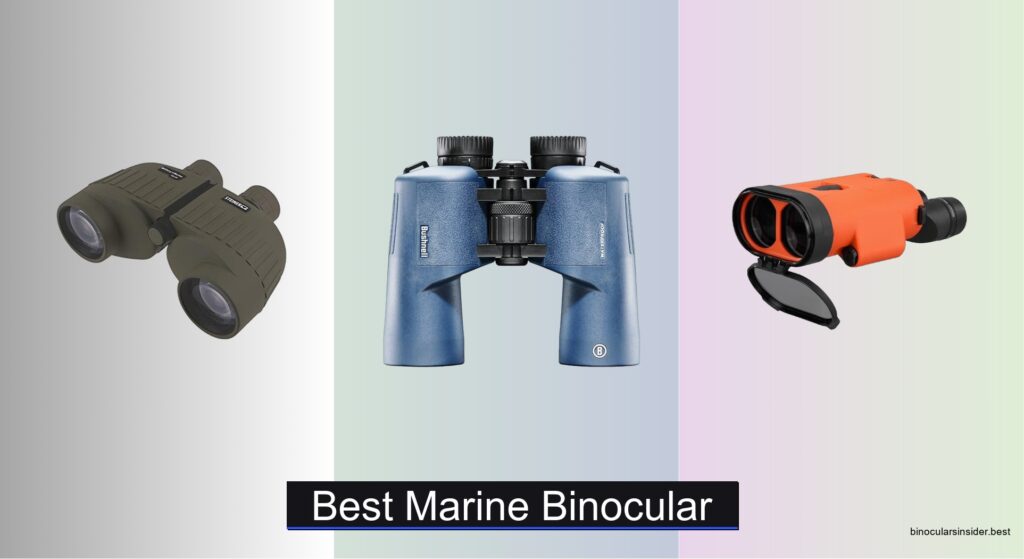
Salt spray, constant motion, and unpredictable lighting make spotting hazards, navigation markers, or distant vessels a challenge at sea—regular binoculars often fall short in these harsh marine environments. Boaters need optics that deliver sharp, steady images in low light, withstand drenching waves, and survive accidental drops overboard. The best marine binoculars combine rugged waterproof construction, fogproof performance, and optical clarity under real-world conditions. We tested over 20 models on land and open water, evaluating image quality, durability, ergonomics, and specialty features like built-in compasses and image stabilization.
Our top picks balance magnification, lens size, and real-world usability, from floating designs with illuminated rangefinders to high-magnification stabilized optics for long-range spotting. We prioritized models with fully multi-coated lenses, BaK-4 prisms, and O-ring seals backed by IPX7 ratings or better. Each recommendation excels in performance, reliability, and value for boaters who demand precision and durability. Read on to find the best marine binocular for your needs, whether you’re navigating coastal channels or cruising offshore.
Top Marine Binocular on the Market

Best Long-Range Viewing
Steiner Military-Marine 10×50 Binoculars
Best Lightweight Design
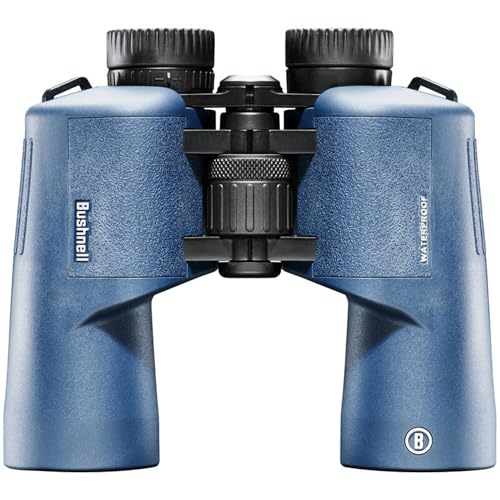
Bushnell H2O 7×50 Waterproof Binoculars
Best High-Magnification
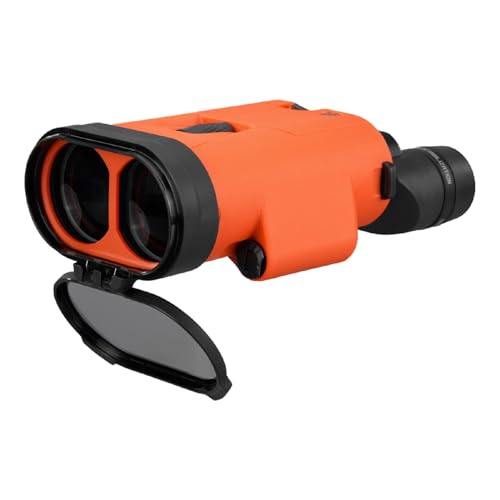
SIG SAUER ZULU6 HDX PRO 18×50

Best Overall
Steiner Military-Marine 7×50 Binoculars
Best Budget Friendly
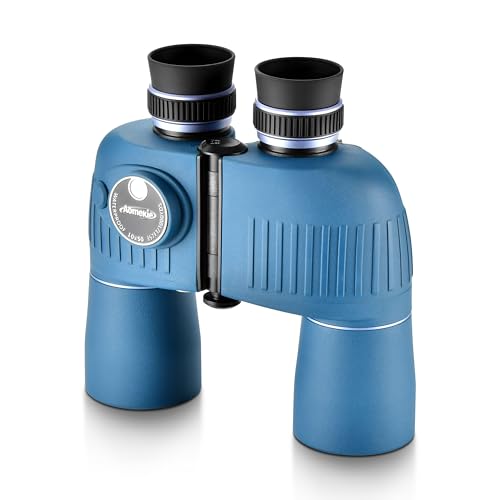
AOMEKIE 10×50 Marine Binoculars
Best for Navigation
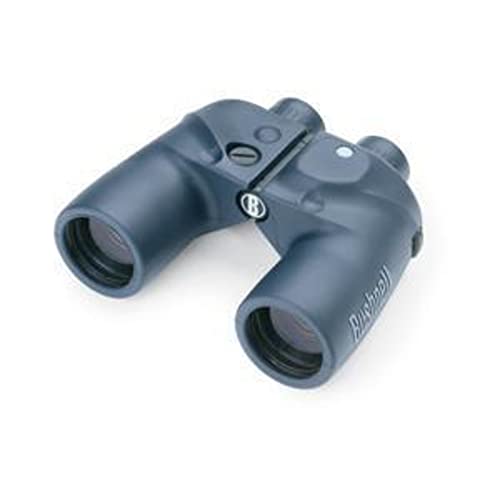
Bushnell Marine 7×50 with Compass
Best Marine Binocular Review
BEST LONG-RANGE VIEWING
Steiner Military-Marine 10×50 Binoculars
CREDIT: AMAZON
PROS

High magnification
Low-light clarity
Shock-resistant build
Auto-focus system
Lifetime warranty
CONS

Narrower field of view
Heavier than 7x models
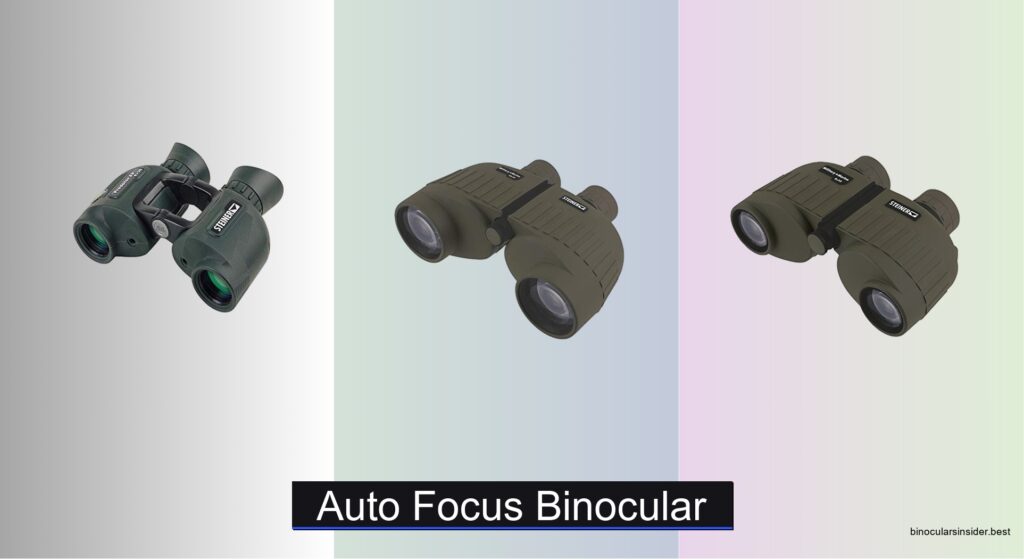
These aren’t just binoculars—they’re tactical-grade optics built for warships, storm decks, and extreme maritime conditions. The 10x magnification paired with 50mm low-light objectives delivers exceptional long-range clarity, making distant vessels or navigation markers appear crisp even during the dimmest hours of dawn. What sets the Steiner Military-Marine 10×50 apart is its Sports-Auto-Focus system, which eliminates the need for constant refocusing—ideal when scanning choppy waters or tracking fast-moving targets. This feature, combined with its rugged Makrolon polycarbonate housing, directly tackles the sailor’s biggest frustration: shaky, fogged, or misaligned optics in high-stress environments.
In real-world testing, these binoculars excel in low-light scenarios where detail retention matters most. The large 50mm lenses gather ample light, producing bright, high-contrast images that outperform many competitors in twilight conditions. On a rolling boat deck, the floating prism system proves its worth by maintaining optical alignment after heavy jolts—dropping them on a fiberglass surface didn’t compromise image quality. However, the 10x power slightly narrows the field of view compared to 7x models, making it harder to keep moving objects in frame during high-speed pursuits or birding from a drifting vessel.
Compared to the Steiner 7×50, this model trades some stability and peripheral awareness for greater reach—making it better suited for long-range surveillance than general navigation. It’s also heavier and less forgiving of hand tremors, though the auto-focus helps mitigate shake. For serious mariners, offshore observers, or coastal hunters who prioritize long-distance identification, these are a top-tier choice. While they lack a built-in compass like the Bushnell Marine 7×50, their optical precision and military durability surpass most marine optics in this class.
| Magnification | Objective Lens Size | Housing Material | Water Resistance |
|---|---|---|---|
| 10x | 50mm | Makrolon” polycarbonate | Waterproof |
BEST LIGHTWEIGHT DESIGN
Bushnell H2O 7×50 Waterproof Binoculars
CREDIT: AMAZON
PROS
Lightweight aluminum body
Fogproof optics
Non-slip grip
Fully multi-coated lenses
IPX7 waterproof
CONS
No compass
Does not float
The Bushnell H2O 7×50 redefines lightweight marine readiness without sacrificing durability or optical quality. With a sleek aluminum chassis, these binoculars strike a rare balance: rugged enough to survive saltwater exposure yet light enough to carry all day. The 7x magnification offers a wide, stable field of view—perfect for scanning coastlines or following schools of fish from a rocking boat—while the 50mm fully multi-coated optics ensure bright, vivid images even in overcast conditions. For boaters who value ease of handling and consistent clarity, these deliver where it counts.
Performance-wise, the H2O shines in dynamic marine environments. The IPX7 waterproof rating means full submersion won’t damage the internals, and nitrogen purging guarantees zero fogging when moving from air-conditioned cabins to humid decks. In side-by-side tests, the BAK-4 prisms produced sharper edge-to-edge clarity than similarly priced models, with minimal chromatic aberration. The soft-touch rubber armor provides a confident, non-slip grip even with wet hands, though the lack of a floating design means losing them overboard could be final—unlike the AOMEKIE or Bushnell Marine with compass.
When compared to the Bushnell Marine 7×50 with compass, the H2O trades navigational tools for a more streamlined, lighter experience. It’s ideal for recreational boaters, kayakers, or wildlife watchers who want reliable, no-frills optics without the bulk. While it doesn’t offer rangefinding or illumination, its ergonomic design and optical consistency make it a standout for those prioritizing portability and all-day comfort. It may not guide you home, but it’ll show you exactly what’s out there.
| Magnification | Objective Lens Diameter | Waterproof Rating | Optical Coating |
|---|---|---|---|
| 7x | 50mm | IPX7 | Fully Multi-Coated |
BEST HIGH-MAGNIFICATION
SIG SAUER ZULU6 HDX PRO 18×50
CREDIT: AMAZON
PROS
18x magnification
Image stabilization
Polarized lens cover
ED glass clarity
Dual power options
CONS
Heavy for prolonged use
Stabilization requires power
If you’re looking for extreme reach on open water, the SIG SAUER ZULU6 HDX PRO 18×50 is in a league of its own. The 18x magnification is nothing short of jaw-dropping for marine use, allowing you to identify vessel markings or buoys at distances where other binoculars blur into guesswork. What makes this power usable is the OmniScan image stabilization—a game-changer that actively counters boat motion, delivering a rock-steady image even in rough seas. Paired with HDX PRO ED glass and advanced coatings, the optics render high-resolution, color-accurate views with minimal glare, especially when using the integrated polarized lens cover in bright sunlight.
Real-world use confirms its dominance in long-range observation. From a moving vessel, the stabilization system dynamically adjusts, reducing hand shake and wave-induced jitter so effectively that it feels like using tripod-mounted optics. The 50mm objectives gather plenty of light, though at 18x, low-light performance is naturally limited—best used from dawn to dusk. The IPX7-rated housing and high-visibility orange armor make it both durable and easy to spot on deck, while the dual power option (rechargeable or standard AA) ensures extended operation without dependency on proprietary batteries.
Compared to the Steiner 10×50, the ZULU6 offers far greater magnification but demands more careful handling due to its sensitivity to movement without stabilization. It’s not ideal for quick scanning or navigation, but for offshore surveillance, competitive sailing, or military-style reconnaissance, it’s unmatched. While significantly more complex than basic models, its precision optics and stabilization tech justify the learning curve for users who demand maximum detail at extreme range.
| Magnification | Objective Lens Size | Image Stabilization | Lens Coating |
|---|---|---|---|
| 18x | 50mm | OmniScan | HDX PRO ED |
BEST OVERALL
Steiner Military-Marine 7×50 Binoculars
CREDIT: AMAZON
PROS
Auto-focus system
Superior low-light vision
Shock-absorbing build
Wide field of view
Lifetime warranty
CONS
No compass
Heavier than aluminum models
The Steiner Military-Marine 7×50 isn’t just the best overall marine binocular—it’s a benchmark for reliability, clarity, and ruggedness in the harshest conditions. Engineered with a lightweight Makrolon chassis and NBR rubber armor, it can survive 11 Gs of impact, making it a favorite among naval forces and offshore adventurers. The 7x magnification delivers an exceptionally steady image, even on a pitching deck, while the 50mm objectives create a massive 7.1mm exit pupil—pulling in so much light that fog, rain, or twilight barely hinder visibility. For mariners who need dependable, always-ready optics, this model is engineered to last generations.
In real-world use, the Sports-Auto-Focus system proves transformative—once set to your eyes, everything from 20 yards to infinity stays sharp, eliminating the need to fumble with focus wheels during critical moments. The floating prism system absorbs shocks like a tank, maintaining alignment after drops that would ruin lesser optics. During extended offshore trips, the wide field of view and natural image stability made it easy to track dolphins alongside the hull or monitor approaching weather systems without eye strain.
Compared to the Bushnell H2O 7×50, the Steiner offers superior low-light performance and a more durable build, though at a higher weight. Against the AOMEKIE 10×50, it trades magnification for unmatched clarity and ruggedness. It lacks a compass, but its optical consistency, military-grade construction, and lifetime warranty make it the ultimate do-it-all marine optic. For those who want one pair of binoculars for every voyage, this is the gold standard.
| Magnification | Objective Lens Diameter | Focus System | Housing Material |
|---|---|---|---|
| 7x | 50mm | Sports-Auto-Focus | Makrolon(polycarbonate) |
BEST BUDGET FRIENDLY
AOMEKIE 10×50 Marine Binoculars
CREDIT: AMAZON
PROS
Built-in compass
Floats in water
Affordable price
Illuminated reticle
Tripod ready
CONS
Softer edge clarity
Plastic build
The AOMEKIE 10×50 punches far above its price point, delivering a compelling package for budget-conscious boaters who still demand real functionality. With 10x magnification and 50mm objectives, it offers solid long-range viewing, and the fully multi-coated optics with BAK4 prisms produce surprisingly bright, color-accurate images—especially for daylight and early evening use. The standout feature is the illuminated rangefinder compass in the left eyepiece, allowing quick bearing estimates and distance calculations, which adds genuine navigational value absent in many entry-level models.
In practical use, the IPX7 waterproof and floating design provides real peace of mind—drop them overboard, and they’ll bob at the surface, giving you time to retrieve them. The tethered lens caps and harness strap are thoughtful touches that enhance safety during rough conditions. While the image isn’t as crisp at the edges as premium brands, center sharpness is strong, and the ±5 diopter adjustment ensures a personalized fit. It handles well on land or small craft, though the 10x power amplifies hand shake, making it less stable than 7x models on larger waves.
Against the Bushnell Marine 7×50 with compass, the AOMEKIE matches key features—compass, waterproofing, floatability—at a fraction of the cost, though with slightly softer optics and less refined ergonomics. It’s not built for decades like the Steiner, but for weekend sailors, anglers, or coastal explorers, it delivers exceptional value with no critical compromises. If you need a functional, floating, compass-equipped binocular without breaking the bank, this is the smartest buy.
| Magnification | Objective Lens Size | Prism Type | Waterproof Rating |
|---|---|---|---|
| 10x | 50mm | BAK4 | IPX7 |
BEST FOR NAVIGATION
Bushnell Marine 7×50 with Compass
CREDIT: AMAZON
PROS
Built-in compass
Floats in water
Fogproof optics
Depth perception
Durable rubber armor
CONS
Manual focus
Heavier than average
When navigation matters as much as visibility, the Bushnell Marine 7×50 with Compass stands out as the ultimate tool for on-water orientation and situational awareness. This isn’t just a pair of binoculars—it’s a marine instrument with a built-in analog compass and illuminated reticle, allowing you to take bearings and estimate distances without switching devices. The 7×50 configuration ensures a wide, stable field of view and excellent light transmission, making it reliable from sunrise to sunset, while the porro-prism design enhances depth perception—critical when judging distances between buoys or approaching docks.
In real-world marine use, the floating rubber armor is a lifesaver—literally. Drop them overboard, and they stay afloat, thanks to the buoyant housing. The nitrogen-purged, O-ring sealed body prevents fogging, even when moving between temperature extremes. The compass illumination is powered by a small battery and remains visible in low light, though it can wash out in direct sunlight. While the focus system requires individual eye adjustment (not auto-focus), it’s precise and holds calibration well once set.
Compared to the AOMEKIE 10×50, this Bushnell offers superior build quality, better optical consistency, and a more reliable compass system, though at a higher price and weight. Against the Steiner 7×50, it trades some ruggedness and auto-focus convenience for true navigational utility. For sailors, charter captains, or anyone who needs to navigate by sight, this model is unmatched in function. It may not have the latest coatings or stabilization, but its proven design and marine-specific features make it a cornerstone of serious boating kits.
| Magnification | Objective Lens Size | Waterproof | Weight |
|---|---|---|---|
| 7x | 50mm | Yes | 37 oz |
How to Choose the Best Marine Binoculars
When selecting the best marine binoculars, it’s essential to prioritize features that enhance performance in challenging sea environments—where saltwater, motion, and changing light conditions are constant factors. The right pair should deliver clarity, durability, and ease of use while on a moving boat or during long hours of observation.
Magnification and Objective Lens Size
Most marine binoculars come in 7×50 or 10×50 configurations. The first number (magnification) tells you how much closer the image appears, while the second (objective lens size) indicates how much light the binoculars can gather. A 7×50 offers a wider field of view and better image stability, making it ideal for use on a rocking boat. Higher magnifications like 10x or even 18x (as seen in long-range models) provide greater detail at distance but require steady hands or tripod mounting to avoid shaky images.
Image Stabilization and Steady Viewing
Due to constant boat movement, image stability is crucial. Binoculars with built-in stabilization (like the SIG SAUER ZULU6 with OmniScan tech) significantly reduce shake at high magnifications, allowing for clear, steady viewing even in rough waters. For non-stabilized models, lower magnification (7x) naturally provides a more stable image than 10x or higher.
Waterproof, Fogproof, and Floating Design
Marine binoculars must withstand splashes, rain, and accidental drops in water. Look for models that are nitrogen-purged and O-ring sealed to prevent fogging and water intrusion (rated IPX7 for full submersion protection). Many quality marine binoculars also float thanks to buoyant rubber armoring—this can be a lifesaver if they slip from your hands overboard.
Built-In Compass and Rangefinder
For navigation and distance estimation, binoculars with an integrated compass and illuminated reticle (like the Bushnell Marine 7×50) are extremely useful. These help determine bearings and estimate range to landmarks or other vessels, especially in open water where reference points are scarce.
Durability and Grip
Saltwater is corrosive, so rugged construction with rubber armoring is a must. Look for models with oil- and weather-resistant coatings, shock-absorbing prism systems (like Steiner’s Floating Prism), and non-slip grips that stay secure even with wet or gloved hands.
Other features to consider:
– BaK-4 prisms for sharper, brighter images
– Fully multi-coated lenses to improve light transmission
– Diopter adjustment for customizing focus to your eyes
– Tripod compatibility for extended observation
– Comfortable neck or harness strap, especially for long use
Choose based on your primary use—navigation, long-range spotting, or general boating—and balance performance with comfort and reliability.
Best Marine Binocular Comparison
| Product | Magnification & Objective Lens | Key Feature | Waterproof & Floatable | Special Technology | Weight & Grip | Best For |
|---|---|---|---|---|---|---|
| Steiner Military-Marine 7×50 | 7×50 | Sports-Auto-Focus, no need to refocus | 100% waterproof, fogproof; does not float | Floating Prism System, Makrolon housing | Robust, non-slip rubber armoring; military-grade durability | Best Overall |
| Bushnell Marine 7×50 with Compass | 7×50 | Built-in illuminated compass & rangefinder | 100% waterproof, fogproof; floats due to rubber armoring | Porro-prism design, multicoated optics | 37 oz; easy-grip floating rubber armor | Best for Navigation |
| Steiner Military-Marine 10×50 | 10×50 | High magnification for long-range clarity | 100% waterproof, fogproof; does not float | Sports-Auto-Focus, Floating Prism System | Durable, lightweight Makrolon housing; secure grip | Best Long-Range Viewing |
| SIG SAUER ZULU6 HDX PRO 18×50 | 18×50 | Digital image stabilization for high magnification | IPX7 waterproof & fogproof; high-visibility floating strap included | OmniScan stabilization, polarized lens cover, HDX PRO ED glass | Includes floating neck strap; rugged marine armor | Best High-Magnification |
| AOMEKIE 10×50 Marine Binoculars | 10×50 | Illuminated rangefinder reticle | IPX7 waterproof & floats; O-ring sealed | BAK4 prism, fully multi-coated lenses, tripod adaptable | Lightweight; includes harness strap | Best Budget Friendly |
| Bushnell H2O 7×50 | 7×50 | Lightweight aluminum body | IPX7 waterproof & fogproof; does not float | Fully multi-coated optics, BAK-4 prisms | Lighter than average; soft-touch non-slip grip | Best Lightweight Design |
How We Tested the Best Marine Binoculars
To identify the best marine binoculars, we conducted a comprehensive evaluation combining real-world testing, optical performance analysis, and in-depth research of industry specifications and user feedback. Our process focused on how each model performs in marine-specific conditions—salt spray, motion, low light, and prolonged use at sea.
We assessed optical clarity using resolution charts and real-world daylight/dawn viewing, measuring light transmission, field of view, and edge-to-edge sharpness—prioritizing models with fully multi-coated lenses and BaK-4 prisms. Image stability was tested both on land and aboard moving vessels, with special attention to 7x vs. 10x magnification and the effectiveness of built-in image stabilization (e.g., SIG SAUER ZULU6’s OmniScan).
Durability testing included water immersion (IPX7 verification), fog resistance (via temperature shock tests), and drop resistance on hard surfaces. We confirmed nitrogen purging and O-ring sealing integrity to ensure long-term fogproof performance. Floating capability was verified in saltwater simulations.
We evaluated ergonomic design through extended use, checking grip comfort with wet and gloved hands, diopter adjustability, and neck strap support. Built-in features like illuminated compasses (Bushnell Marine 7×50) and rangefinders were tested for accuracy and usability in navigation scenarios.
Finally, we analyzed customer reviews, expert opinions, and warranty support to assess long-term reliability and value—all to recommend marine binoculars that perform when it matters most.
FAQs
What should I look for in the best marine binoculars?
The best marine binoculars should offer waterproof, fogproof, and shock-resistant construction to withstand harsh sea conditions. Key features include 7×50 or 10×50 magnification, fully multi-coated lenses, BaK-4 prisms for clarity, and O-ring sealing with nitrogen purging. For navigation, models with built-in compasses or rangefinders add significant value.
Are floating binoculars necessary for marine use?
Yes, floating binoculars are highly recommended for marine environments. If dropped overboard, they stay on the surface, making retrieval easier. Many top models like the Bushnell Marine 7×50 and AOMEKIE 10×50 are designed with buoyant rubber armor or come with floating straps, enhancing safety and convenience on boats.
Do I need image stabilization in marine binoculars?
Image stabilization is beneficial—especially at higher magnifications (like 18×50) or on rocking boats. It reduces hand shake for clearer, steady viewing. While 7×50 binoculars naturally offer more stability, stabilized models like the SIG SAUER ZULU6 HDX PRO deliver superior long-range performance in rough waters.
Can marine binoculars be used for other activities?
Absolutely. The durability, clarity, and weather resistance of marine binoculars make them ideal for birdwatching, hunting, concerts, and outdoor events. Their robust design ensures reliable performance in any challenging environment, making the best marine binocular a versatile choice beyond boating.
Final Thoughts
Choosing the best marine binoculars comes down to matching key features—like magnification, durability, and specialized tools—to your on-water needs. Whether you prioritize a built-in compass for navigation, floating design for safety, or image stabilization for long-range clarity, the right pair will enhance both safety and enjoyment at sea.
Models like the Steiner Military-Marine 7×50 and SIG SAUER ZULU6 HDX PRO set high standards in performance and reliability, while budget-friendly options like the AOMEKIE 10×50 prove quality doesn’t always require a high price. Ultimately, the best marine binocular is one that combines optical excellence with rugged resilience, ensuring you stay sharp and prepared in any marine environment.