You’re scanning a distant ridge for elk at dawn, but the image appears hazy with purple fringes around the antlers. Or maybe you’re tracking a rare warbler in dappled forest light, frustrated by dim, low-contrast views. These common frustrations often stem from mismatched binocular lens types – a critical factor most buyers overlook when choosing optics. Understanding how lens materials, coatings, and configurations directly impact your viewing experience transforms casual observation into breathtaking clarity. This guide cuts through marketing jargon to reveal exactly which binocular lens types deliver sharp, bright, true-color images for your specific activity, whether birding at twilight or stargazing on clear nights.
Most beginners focus solely on magnification and size, unaware that lens quality determines 70% of optical performance. The right combination of glass elements and coatings ensures you capture every feather detail in low light or see faint star clusters without color distortion. By the end of this guide, you’ll confidently identify premium lens features worth investing in and avoid budget-binocular pitfalls that ruin your viewing experience. Let’s dive into the optical components that make or break your connection to the natural world.
How Light Travels Through Binocular Lenses: Objective, Prism, and Eyepiece Journey
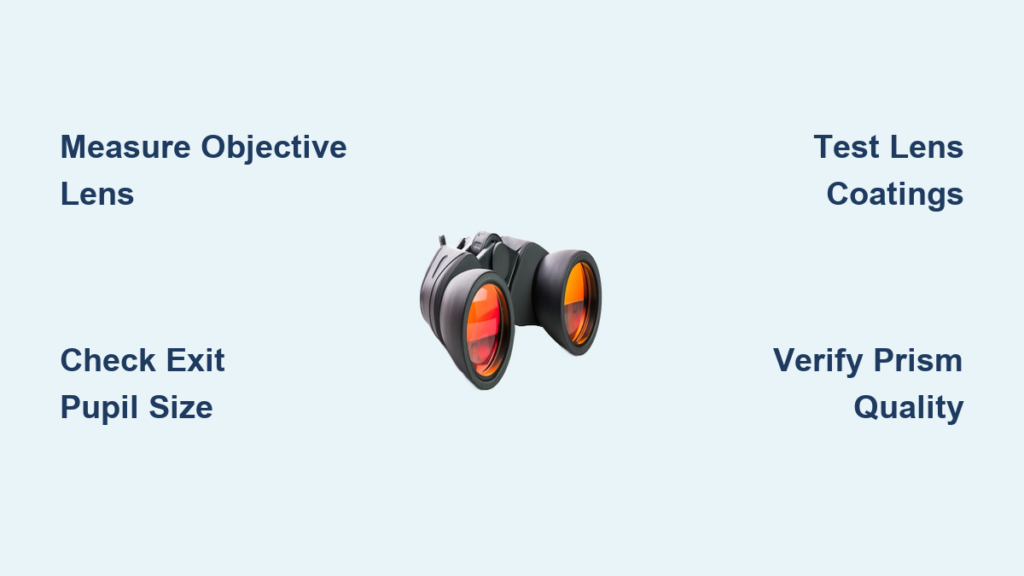
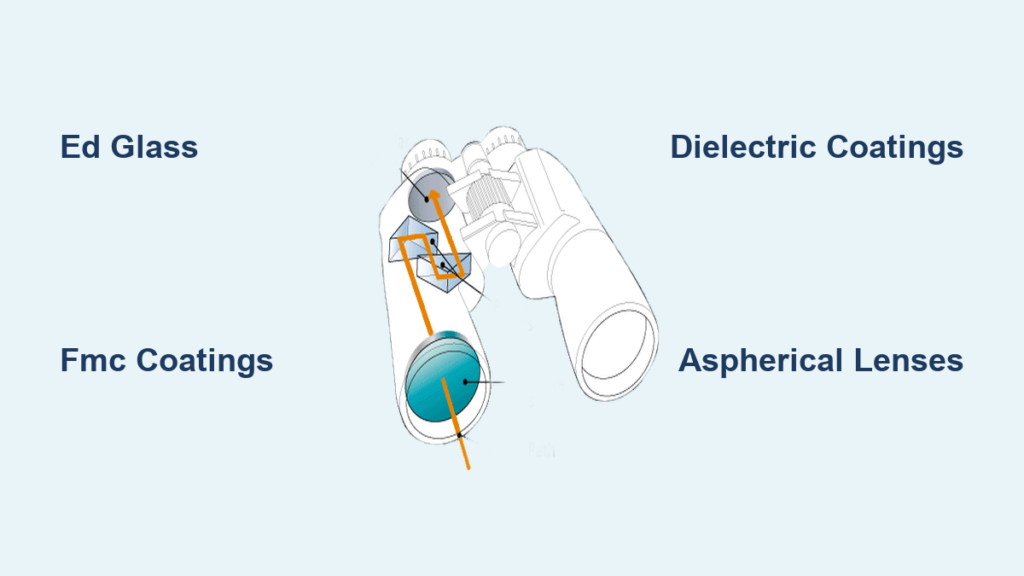
Your viewing experience starts the moment light hits the front objective lenses. These large glass elements act as light collectors – their diameter (the second number in specs like 8×42) directly determines how much illumination enters the system. A 50mm objective gathers over 50% more light than a 32mm version, making twilight observation dramatically brighter. But size alone doesn’t guarantee quality; light then travels through erecting prisms that flip the inverted image and fold the optical path. Porro prisms create that classic offset-barrel shape, while roof prisms yield sleeker silhouettes. Finally, the eyepiece lenses magnify the corrected image for your eyes. Every surface in this journey – typically 8 to 12 air-to-glass transitions – risks light loss through reflection if not properly treated.
Why Uncoated Lenses Waste Over Half Your Light
Picture trying to see through a dirty window versus a clean one – that’s the impact of missing lens coatings. Without anti-reflective treatments, each glass surface reflects 4-5% of incoming light. In a typical binocular with 10 air-to-glass surfaces, uncoated optics would lose over 50% of available light through reflections alone. This isn’t just about brightness; internal reflections create “ghost images” that reduce contrast, making it hard to spot that grouse against shadowy foliage. You’ll notice this most when viewing high-contrast scenes like birds against bright skies. The solution lies in microscopic coatings that manipulate light wavelengths – but not all coatings deliver equal performance.
Maximize Light Capture: Objective Lens Size and Critical Coating Types
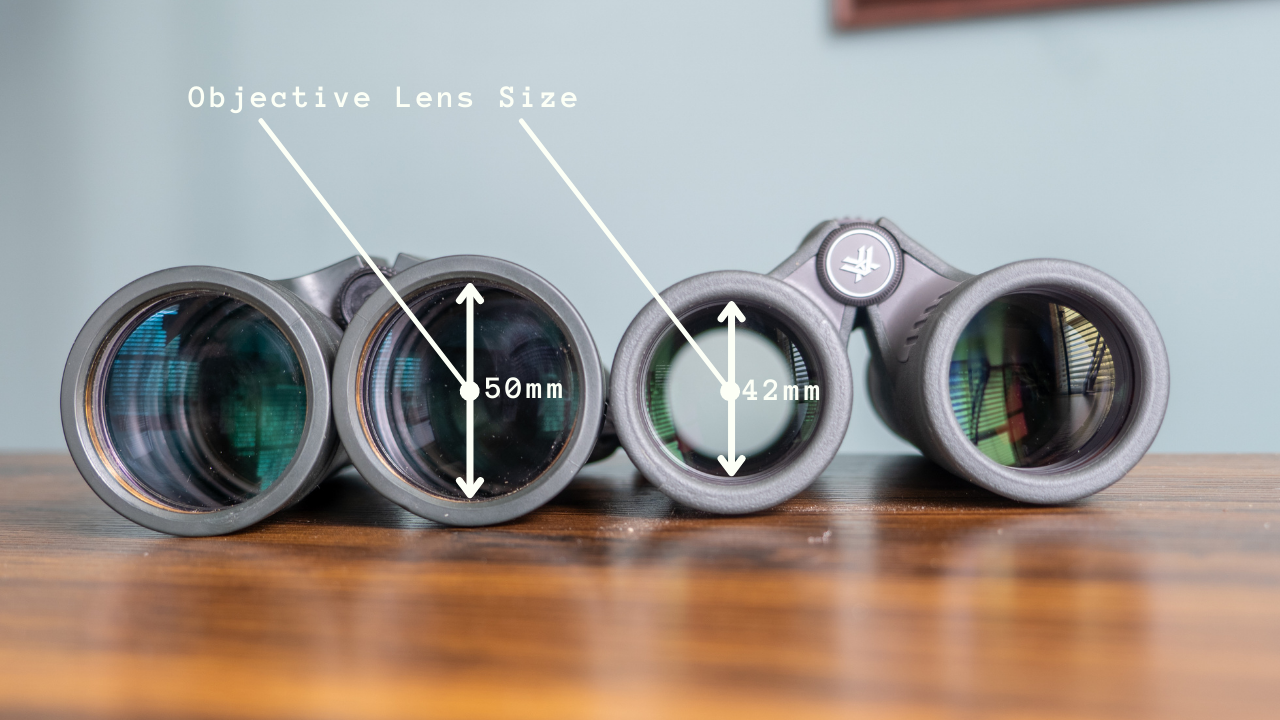
Don’t just look at the objective lens diameter – examine its coating specifications. A 42mm lens with poor coatings performs worse than a 32mm unit with premium treatments. When comparing binoculars, ignore vague terms like “high-definition” and demand specific coating descriptions. Here’s what actually matters:
Fully Multi-Coated: Non-Negotiable for Serious Viewing
This gold-standard treatment applies multiple anti-reflective layers to every air-to-glass surface. Unlike basic “multi-coated” models that only treat critical surfaces, FMC optics achieve 90-95% light transmission – crucial for preserving image brightness in dawn/dusk conditions. During field testing, FMC binoculars consistently rendered subtle woodpecker plumage details invisible through lesser-coated competitors. The difference becomes obvious when panning across landscapes: FMC units maintain edge-to-edge sharpness without the “tunnel vision” effect of cheaper coatings.
Dielectric Coatings: The Roof Prism Brightness Booster
If you prefer streamlined roof-prism binoculars (common in premium models), demand dielectric prism coatings. Standard roof prisms lose 10-15% of light at the critical reflection point due to phase shifts. Dielectric coatings – complex multi-layer metallic films – reflect nearly 100% of light, eliminating the dimness that plagues budget roof-prism optics. Test this yourself: compare a dielectric-coated roof prism model against a Porro design in low light; the former should match or exceed brightness while offering better waterproofing. For astronomy or marine use where every photon counts, this feature is essential.
Eliminate Color Fringing: Fixing Chromatic and Spherical Aberration
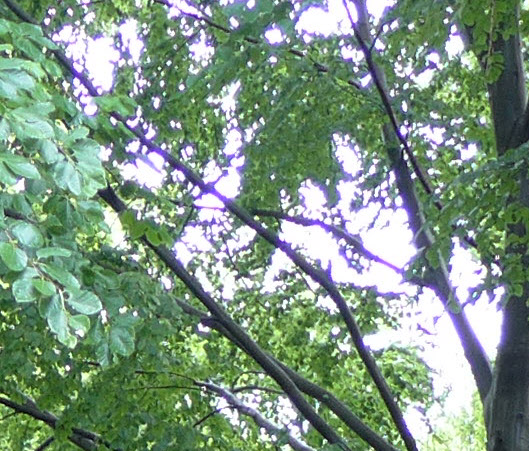
Ever seen purple halos around tree branches against bright skies? That’s chromatic aberration – the optical equivalent of a cheap camera lens. It occurs because glass bends different light wavelengths at varying angles, failing to focus all colors at the same point. Budget binoculars with standard glass show this most at image edges, making bird identification frustrating. Spherical aberration creates soft, blurry views across the entire field, while field curvature makes edge objects appear distorted. These flaws aren’t user error – they’re direct results of inferior lens types.
ED Glass: The Game-Changer for Color Accuracy
Extra-Low Dispersion (ED) glass solves chromatic aberration by using rare-earth elements to minimize color separation. In practical terms, this means you’ll see true-to-life raptor plumage without false color edges – critical when distinguishing similar species like Sharp-shinned vs Cooper’s hawks. During a recent birding trip, ED-equipped binoculars revealed subtle cinnamon tones on a distant thrush that appeared as muddy brown through standard glass. Note that “HD” or “FL” labels often indicate similar low-dispersion technology, but always verify the actual glass composition. For magnifications above 10x, ED glass becomes non-negotiable for crisp imagery.
Aspherical Lenses: Flatten Your Field of View
Standard spherical lenses curve light unevenly, causing edge distortion known as field curvature. Aspherical lenses feature complex, non-uniform curves that focus light rays more precisely across the entire field. The result? When tracking a hummingbird’s flight path, you won’t lose detail as it moves toward the view’s perimeter. Premium birding binoculars like Swarovski NL Pure use aspherical elements to deliver edge-to-edge sharpness – a feature immediately noticeable when scanning flocks of shorebirds. If your current binoculars require constant refocusing as you pan, aspherical optics should be your top upgrade priority.
Porro vs Roof Prisms: Impact on Image Quality and Portability

Prism design fundamentally shapes your binocular’s performance and handling. Porro prism models (with offset barrels) typically deliver better depth perception and light transmission per dollar, making them ideal for wildlife observation where stereoscopic vision helps judge distances. The wider objective lens placement creates a more three-dimensional image – invaluable when estimating a buck’s antler spread across a ravine. However, their bulky profile makes them less suitable for backpacking.
Roof prism binoculars offer sleek, ergonomic designs that fit easily in aircraft seat pockets or kayak storage. Modern high-end roof prism models with phase-corrected coatings and dielectric mirrors now rival Porro brightness, but they demand precise manufacturing. If choosing roof prisms, prioritize brands known for optical alignment (like Zeiss or Leica) – a misaligned roof prism causes double images that no amount of focusing fixes. For marine use where compactness matters, roof prisms’ superior waterproofing often justifies their higher cost.
Match Binocular Lens Types to Your Activity: Birding, Astronomy, Travel
Stop guessing which specs matter for your hobby – your activity dictates the optimal lens configuration. Generic “all-purpose” binoculars often compromise critical features you actually need.
Birding in Dense Forests: ED Glass + FMC Is Essential
Woodland birders battle rapidly changing light and require extreme color fidelity. Choose 8×42 or 10×42 binoculars with ED glass and fully multi-coated optics. The ED element eliminates color fringing when viewing warblers against bright sky gaps, while FMC coatings maximize light transmission in shadowed understories. Avoid large objectives (over 42mm) – they become cumbersome when tracking fast-moving subjects through branches. Top performers like the Nikon Monarch 7 balance these features at accessible prices.
Stargazing and Astronomy: Prioritize Objective Size Over Coatings
When observing faint nebulae or star clusters, light-gathering power trumps all else. Opt for 10×50 or 15×70 models where the large objective lenses (50mm+) capture maximum photons. Coatings matter less here since astronomical targets lack high-contrast edges that exacerbate chromatic aberration. However, demand fully multi-coated optics to minimize internal reflections that wash out faint objects. Roof prism designs often work better for astronomy due to easier mounting on tripods – just ensure they include dielectric coatings to offset roof prisms’ inherent light loss.
Coastal and Marine Use: Waterproofing + Contrast-Boosting Coatings
Salt spray demands rugged construction, but lens coatings determine actual usability. Choose binoculars with fully multi-coated optics and blue-water specific treatments that enhance contrast against glare. A 7×50 configuration provides stable handheld viewing on boats while gathering ample light. Avoid ED glass here – its color-correction benefits matter less over water than robust waterproofing and anti-fog coatings. The Fujinon Techno-Marine series demonstrates how marine-optimized coatings cut through haze to reveal distant buoys invisible through standard optics.
Final Tip: Never compromise on fully multi-coated (FMC) lenses – they’re the foundation of optical performance. For activities demanding color accuracy (birding, hunting), prioritize ED glass even if it means smaller objectives. When budgeting, allocate 60% of your spending to lens and coating quality rather than magnification or brand prestige. Your eyes deserve optics that reveal nature’s true beauty, not compromised views that leave you wondering what you’re missing. Test binoculars at dusk before buying; if colors stay true and edges remain crisp as light fades, you’ve found the right lens types for lifelong viewing joy.