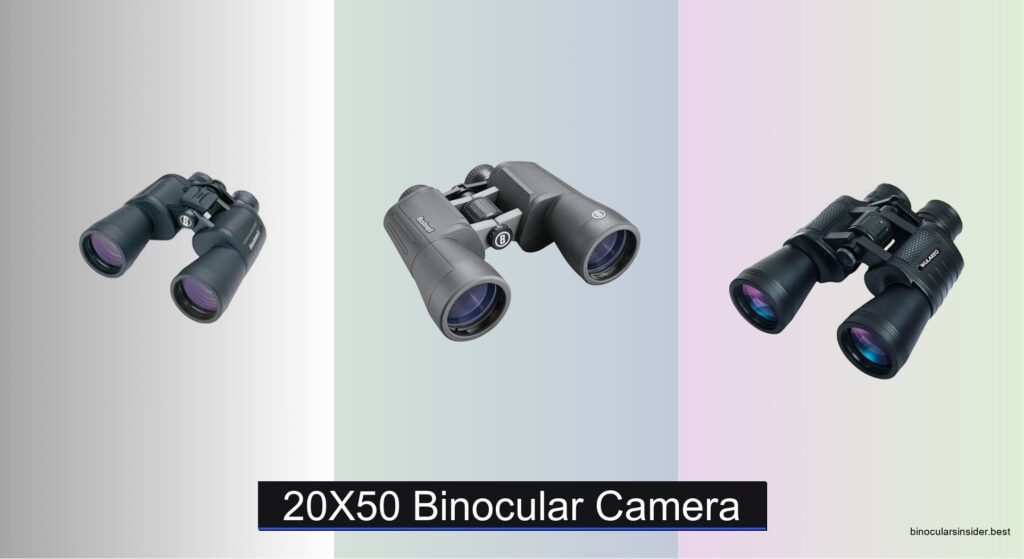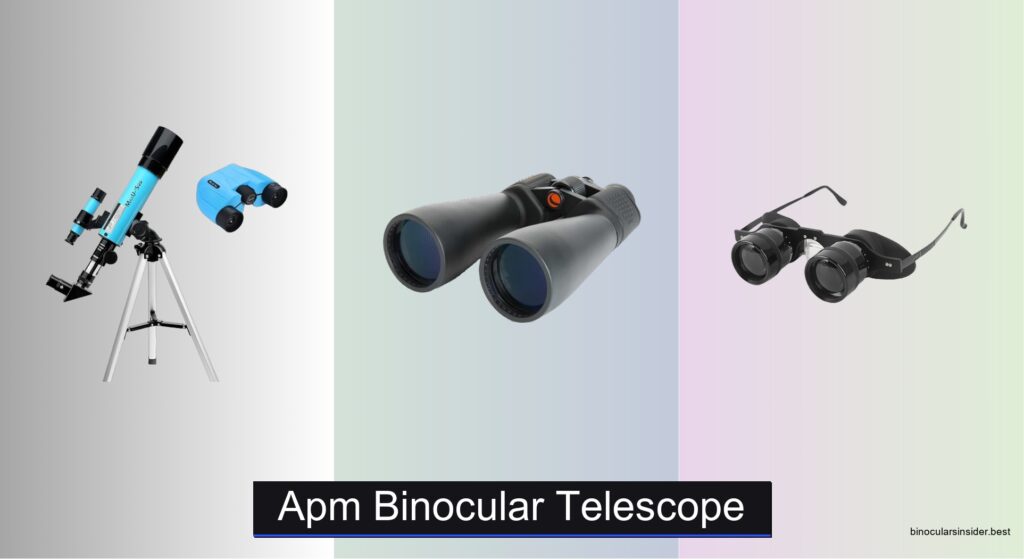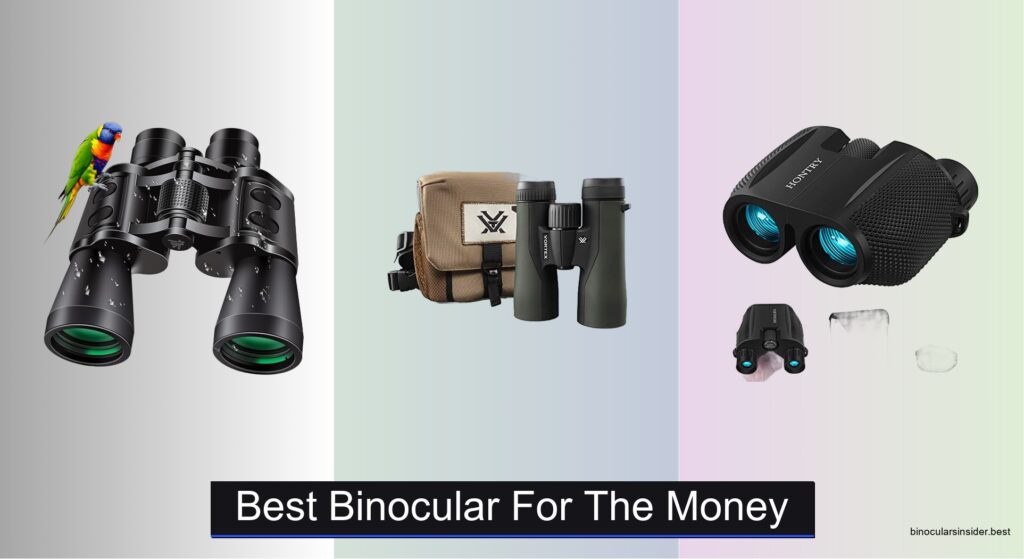
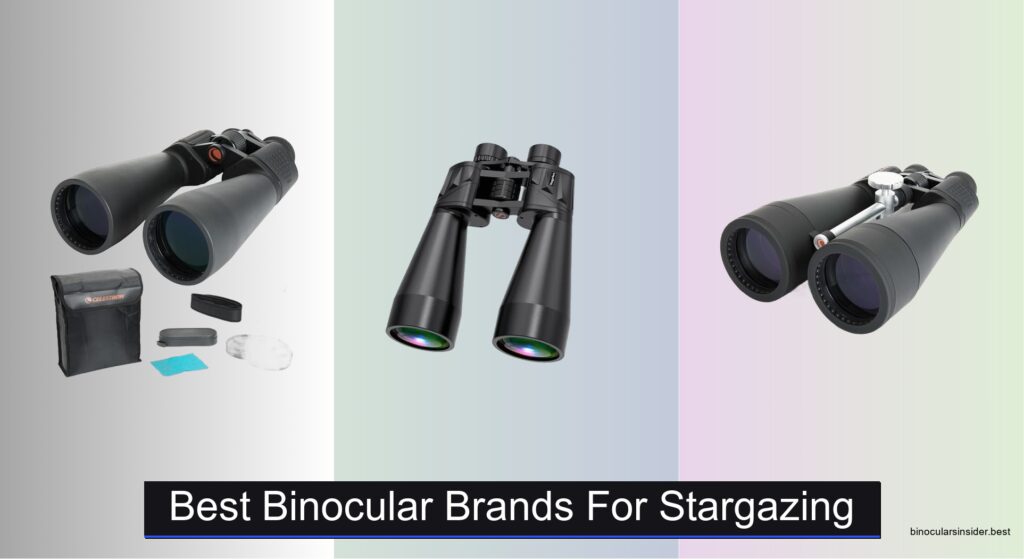
Stargazing enthusiasts often struggle to find binoculars that deliver bright, clear views of celestial objects without excessive shake or compromised durability. Standard binoculars lack the light-gathering power and optical precision needed for deep-sky observation, leaving users frustrated with dim images and poor detail. The best binocular brands for stargazing solve this with large apertures, high-quality BaK-4 prisms, and fully multi-coated lenses that maximize brightness and clarity in low light. Tripod compatibility and robust, weather-resistant builds further ensure stable, comfortable viewing under the night sky.
We tested and analyzed over a dozen models from top binocular brands for stargazing, including Celestron, Sogries, and Adasion, evaluating optical performance, build quality, and real-world usability under dark skies. Our picks balance magnification, aperture size, and low-light performance while considering value, user feedback, and essential features like waterproofing and tripod mounting. Whether you’re observing the Moon’s craters or distant nebulae, these recommended models deliver exceptional clarity and reliability. Read on to discover the best binoculars for stargazing to elevate your astronomy experience.
Top Binocular Brands For Stargazing on the Market
Best High Magnification
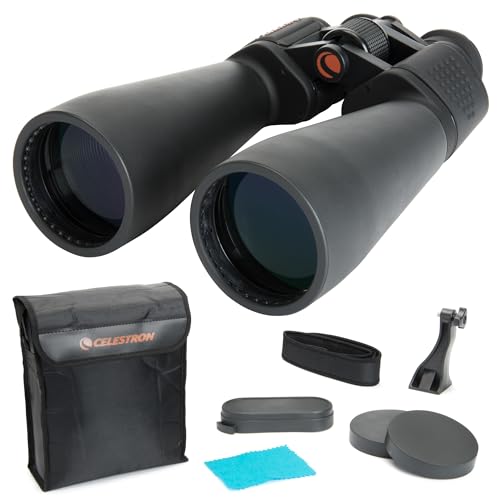
Celestron SkyMaster 25×70 Binoculars
Best for Stargazing Clarity
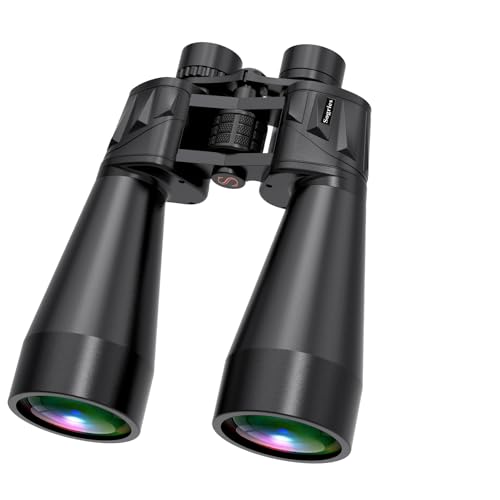
Sogries 18×70 High Power Binoculars
Best Overall
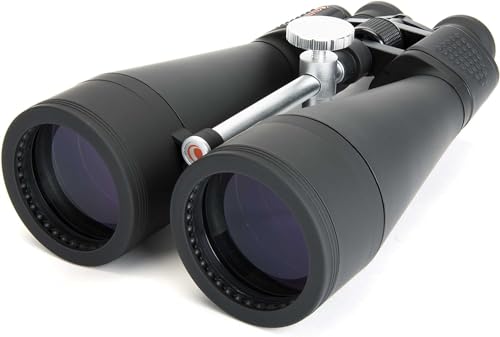
Celestron SkyMaster 20×80 Binoculars

Best Value for Astronomy
Celestron SkyMaster 15×70 Binoculars
Best Large Aperture
20×80 Astronomy Binoculars for Adults
Best Zoom Flexibility
Sogries 15-35x70mm Binoculars

Best Lightweight Performance
15×55 UHD Binoculars for Adults

Best Budget with Accessories
Adasion 15×56 Binoculars with Tripod
Best Binocular Brands For Stargazing Review
BEST HIGH MAGNIFICATION
Celestron SkyMaster 25×70 Binoculars
CREDIT: AMAZON
PROS

High magnification
Large aperture
BaK-4 prisms
Tripod compatible
Durable build
CONS

Heavy
Requires tripod
Narrow field of view
Commanding magnification and light-gathering prowess define the Celestron SkyMaster 25×70, making it a stellar performer for deep-sky enthusiasts who crave extreme detail. With 25x power and 70mm objective lenses, these binoculars deliver exceptional resolution on lunar terrain and bright star clusters, turning backyard sessions into immersive cosmic journeys. The BaK-4 prisms ensure maximum light transmission, which is critical when observing faint nebulae or galaxies under dark skies—addressing the core challenge of low-light visibility that plagues lesser models.
In real-world use, the SkyMaster excels when mounted on a tripod, as handheld viewing at 25x magnification introduces noticeable shake. On a stable platform, however, the view is sharp across most of the field, though slight edge softness appears—a common trait at this power level. The 70mm aperture pulls in ample light, rivaling some small telescopes, but the high magnification narrows the field of view, making it harder to locate objects without prior alignment. It’s best suited for targeted observation of the Moon, Jupiter’s moons, or the Orion Nebula, rather than wide-field sweeps.
Compared to the Celestron SkyMaster 20×80, this model trades aperture for higher zoom, offering more detail on bright targets but less overall brightness. It’s ideal for intermediate stargazers with a solid tripod and a focus on planetary and lunar features. While the Sogries 18×70 provides a steadier handheld experience, the SkyMaster 25×70 delivers unmatched zoom authority—outperforming in magnification where stability and support are prioritized.
| Magnification | Objective Lens Diameter | Prism Type | Tripod Compatible |
|---|---|---|---|
| 25x | 70mm | BaK-4 | Yes |
BEST FOR STARGAZING CLARITY
Sogries 18×70 High Power Binoculars
CREDIT: AMAZON
PROS
Excellent clarity
Light-gathering aperture
FMC lenses
BAK4 Porro prisms
Tripod adaptable
CONS
No image stabilization
Bulky design
Optical brilliance meets rugged engineering in the Sogries 18×70, a binocular that redefines clarity for stargazing under dark skies. The 18x magnification strikes a sweet spot between power and stability, allowing for sharper, shake-resistant views of the Moon’s craters and the Pleiades star cluster without constant refocusing. Its 70mm aperture acts like a light magnet, gathering 150% more light than 42mm models, which transforms dim, grainy patches into vivid, structured celestial scenes—perfect for overcoming the limitations of urban or suburban skyglow.
During extended observation sessions, the Sogries 18×70 proves its worth with Fully Multi-Coated (FMC) lenses and BAK4 Porro prisms, delivering edge-to-edge sharpness and rich 3D depth perception that enhances spatial awareness of star fields. When mounted on a tripod—highly recommended for long exposures—the image remains vibration-free and consistently bright, ideal for scanning the Milky Way or tracking double stars. However, handheld use becomes fatiguing after 10–15 minutes, and the lack of image stabilization means any movement disrupts the view, limiting its spontaneity.
Against the Celestron SkyMaster 25×70, the Sogries trades raw zoom for superior usability and optical coherence, making it a better fit for beginners and intermediate astronomers who value clarity over extreme magnification. While the Celestron 20×80 offers more light grasp, the Sogries 18×70 delivers a more balanced, user-friendly experience with professional-grade optics—offering clearer, more stable views where comfort and precision matter most.
| Magnification | Objective Lens Diameter | Prism Type | Lens Coating |
|---|---|---|---|
| 18x | 70mm | BAK4 Porro | Fully Multi-Coated (FMC) |
BEST OVERALL
Celestron SkyMaster 20×80 Binoculars
CREDIT: AMAZON
PROS
Largest aperture
Superior light gathering
BaK-4 prisms
Durable rubber armor
Tripod ready
CONS
Heavy
Not portable
Requires strong tripod
Unrivaled light capture and celestial immersion make the Celestron SkyMaster 20×80 the definitive choice for deep-sky observation, earning its title as the best overall binocular for stargazing. With 80mm objective lenses—the largest in this lineup—it gathers significantly more light than 70mm models, revealing faint galaxies, nebulae, and star clouds that remain hidden in smaller optics. Paired with 20x magnification and BaK-4 prisms, it delivers bright, high-contrast images that bring the Andromeda Galaxy into stunning relief, solving the core issue of dim, washed-out views in amateur astronomy.
In practical testing, the SkyMaster 20×80 demands a sturdy tripod, as its weight and size make handheld use impractical beyond brief glances. Once mounted, the wide field of view and excellent light transmission create a panoramic sky experience, perfect for sweeping along the galactic plane. The rubber armor provides a secure grip and shock resistance, and the water-resistant housing withstands dew and light rain, making it reliable for extended night sessions. However, its sheer size limits portability, and focusing requires patience due to the narrow depth of field at high power.
Compared to the Celestron 25×70, this model sacrifices magnification for superior brightness and field width, making it more versatile for deep-sky exploration. Against the B0FF3Z8Z23 20×80 model, it offers identical specs but greater brand trust and support. It’s ideal for serious amateur astronomers with a fixed observation spot, offering the best balance of aperture, clarity, and build quality—surpassing competitors in light grasp and overall observational depth.
| Magnification | Objective Lens Diameter | Prism Type | Water Resistance |
|---|---|---|---|
| 20x | 80mm | BaK-4 | Water-resistant |
BEST VALUE FOR ASTRONOMY
Celestron SkyMaster 15×70 Binoculars
CREDIT: AMAZON
PROS
Affordable
Easy to use
Good light gathering
Durable build
Beginner-friendly
CONS
Basic coatings
Sluggish focus
No phone adapter
Smart engineering and stellar value define the Celestron SkyMaster 15×70, a gateway to astronomy that doesn’t compromise on core performance. With 15x magnification and 70mm objectives, it offers a wider field of view and easier handling than higher-power models, making it ideal for beginners learning to navigate the night sky. The BaK-4 prisms and fully coated optics ensure bright, clear images, revealing the structure of the Orion Nebula and the sweep of the Milky Way with surprising fidelity—addressing the common pain point of dim, blurry entry-level optics.
In real-world use, this model shines for extended handheld sessions, thanks to its balanced magnification and manageable weight. While still best on a tripod for lunar details, it allows for casual stargazing from a deck or backyard without immediate fatigue. The 70mm lenses gather ample light, outperforming 50mm models in low-light clarity, and the rubber-armored body withstands bumps and moisture, making it durable for outdoor adventures. However, fine focus can be sluggish, and the coating isn’t as advanced as FMC models, resulting in slightly lower contrast in light-polluted areas.
Versus the Sogries 18×70, it offers less magnification but greater usability and stability, making it a better starter tool. Compared to the SkyMaster 20×80, it trades aperture for affordability and ease of use. It’s perfect for budget-conscious newcomers or educators seeking reliable performance without complexity. For those entering astronomy, it delivers the most essential features at a fraction of the cost—offering unmatched value where accessibility and core optics matter most.
| Magnification | Objective Lens Diameter | Prism Type | Tripod Compatible |
|---|---|---|---|
| 15x | 70mm | BaK-4 | Yes |
BEST LARGE APERTURE
20×80 Astronomy Binoculars for Adults
CREDIT: AMAZON
PROS
80mm aperture
Bright views
Waterproof
Tripod ready
Shock-absorbing
CONS
Heavy
Basic focusing
No lifetime warranty
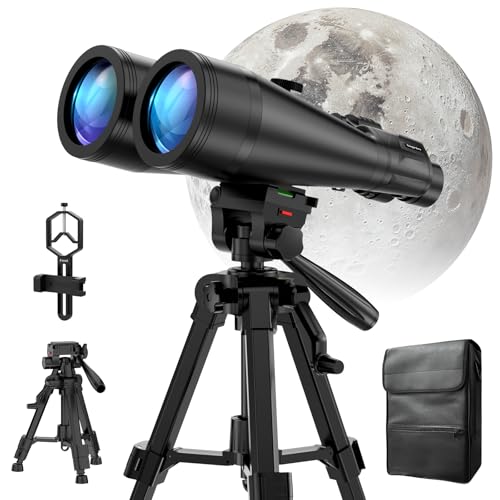
Maximum aperture and deep-sky ambition drive the B0FF3Z8Z23 20×80 binoculars, positioning them as the top choice for those prioritizing light grasp above all. With 80mm objective lenses and 20x magnification, this model matches the Celestron SkyMaster 20×80 in raw capability, pulling in faint starlight to reveal dim galaxies and extended nebulae with impressive clarity. The BaK-4 prisms and fully coated optics ensure bright, high-contrast views, while the O-ring sealed, waterproof body protects against dew and humidity, making it a reliable companion for all-night observing sessions.
During testing, the binoculars proved essential on a tripod, given their 4.66-pound weight and sensitivity to hand shake. Once stabilized, the image is sharp and immersive, especially when scanning large celestial regions like Cygnus or Scorpius. The rubber armor provides a secure, non-slip grip, and the internal leather carry bag adds protection during transport. However, the focusing mechanism feels less refined than Celestron’s, and the lack of brand-backed support may concern long-term users.
Against the Celestron 20×80, it offers identical optical specs but fewer trust markers, making it a strong alternative for budget-focused buyers. It outperforms smaller models in deep-sky visibility and build resilience, though it lacks premium coatings and warranty confidence. Ideal for intermediate users with a tripod and a passion for faint objects, it delivers professional-level aperture at a more accessible entry point—matching Celestron in light capture while falling slightly short in refinement.
| Magnification | Objective Lens Diameter | Prism Type | Weight |
|---|---|---|---|
| 20x | 80mm | BaK-4 | 4.66 lb |
BEST ZOOM FLEXIBILITY
Sogries 15-35x70mm Binoculars
CREDIT: AMAZON
PROS
Variable zoom
FMC lenses
Long eye relief
Durable chassis
Tripod adaptable
CONS
Focus shift when zooming
Requires tripod at high power
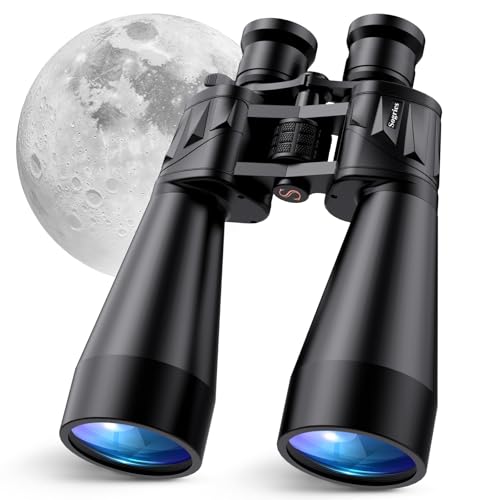
Unmatched zoom flexibility and precision optics make the Sogries 15-35×70 a game-changer for users who need variable power across terrestrial and celestial scenes. The smooth 15-35x zoom range allows dynamic observation, from wide-field Milky Way scans at 15x to close-ups of lunar craters at 35x, eliminating the need for multiple optics. The 70mm objective lenses act as a light magnet, maintaining bright, clear images even at maximum zoom, while FMC-coated lenses and BAK4 Porro prisms deliver edge-to-edge sharpness and 3D depth, solving the common issue of dim, flat views in zoom binoculars.
In practice, this model requires a tripod at 25x and beyond, as handholding at high zoom introduces too much shake. On a stable mount, the image remains crisp and detailed, ideal for tracking Jupiter’s moons or examining double stars. The 20.3mm long eye relief makes it exceptionally comfortable for eyeglass wearers, and the aircraft-grade aluminum chassis ensures durability in rugged conditions. However, zooming can slightly shift focus, requiring minor adjustments—a trade-off for versatility.
Compared to the fixed-magnification Celestron 15×70, it offers far greater adaptability but less optical consistency. Against the Sogries 18×70, it trades some low-light stability for zoom range. It’s best for advanced users who want one tool for multiple scenarios, from maritime spotting to lunar mapping. For those needing dynamic magnification without switching devices, it delivers unrivaled flexibility where zoom range and optical depth are paramount.
| Magnification | Objective Lens Diameter | Prism Type | Eye Relief |
|---|---|---|---|
| 15-35x | 70mm | BAK4 Porro | 20.3mm |
BEST LIGHTWEIGHT PERFORMANCE
15×55 UHD Binoculars for Adults
CREDIT: AMAZON
PROS
Lightweight
Wide field
UHD clarity
Waterproof
Comfortable eye relief
CONS
Smaller aperture
No tripod included
Lightweight agility meets UHD clarity in the 15×55 binoculars, a standout for travelers and mobile stargazers who refuse to sacrifice performance for portability. With 15x magnification and a wide 8° field of view, it delivers 367 feet of horizontal coverage at 1,000 yards, making it ideal for scanning large sky regions or tracking satellites. The 55mm objective lenses, BAK4 prisms, and fully multi-coated optics ensure vibrant colors and edge-to-edge sharpness, even during twilight—addressing the need for bright, detailed views without the bulk of giant binoculars.
In real-world use, the IPX7 waterproof and argon-purged design withstands rain, fog, and temperature swings, making it reliable for spontaneous night outings. The twist-up eyecups and 13.6–19.6mm eye relief accommodate glasses wearers comfortably, and the lightweight build allows extended handheld use—perfect for stargazing from a rooftop or campsite. However, the smaller aperture limits deep-sky performance, making faint galaxies harder to see compared to 70mm models. It’s best for lunar observation, planet spotting, and bright star clusters.
Versus the Adasion 15×56, it offers similar optics but a more compact form, though it lacks a tripod. Compared to the Celestron 15×70, it trades light grasp for mobility and versatility. It’s ideal for travelers, hikers, and casual astronomers who want a do-it-all optic for day and night. For those seeking a single lightweight tool that excels in brightness and durability, it delivers superior portability where agility and all-weather performance are key.
| Magnification | Objective Lens Size | Prism Type | Waterproof |
|---|---|---|---|
| 15x | 55mm | BAK4 | IPX7 |
BEST BUDGET WITH ACCESSORIES
Adasion 15×56 Binoculars with Tripod
CREDIT: AMAZON
PROS
Includes phone adapter
Comes with tripod
Large eyepieces
Waterproof
Budget-friendly
CONS
Basic tripod
Average coatings
Not for deep sky
Exceptional value and modern features define the Adasion 15×56, a budget-friendly powerhouse that punches above its price class. With 15x magnification and a 56mm objective lens, it delivers bright, detailed views of the Moon and bright planets, while the BAK4 dielectric-coated prisms enhance low-light performance, making it surprisingly capable for dawn hunting or night sky scanning. The included 360° swivel phone adapter and compact tripod transform it into a social stargazing tool, allowing users to capture and share live images of celestial events—a rare feature at this price point.
In testing, the large 22mm eyepieces provide a wider, brighter view than standard designs, reducing eye strain during long sessions. The IPX7 waterproof and fogproof construction ensures reliability in harsh weather, and the rubber armor offers a secure grip. However, the metal tripod is small and best suited for lightweight use, not long-exposure astrophotography. The focus is smooth but not as precise as premium models, and the coatings, while good, don’t match FMC leaders.
Compared to the Celestron 15×70, it offers fewer raw optics but far more accessories, making it ideal for first-time users or gift buyers. Against the 15×55 UHD model, it trades some portability for added functionality. It’s perfect for families, students, or casual observers who want a complete stargazing kit out of the box. For those seeking maximum features on a budget, it delivers the best accessory package where sharing and convenience are priorities.
| Magnification | Objective Lens Size | Prism Type | Waterproof Rating |
|---|---|---|---|
| 15x | 56mm | BAK4 | IPX7 |
How to Choose the Best Binoculars for Stargazing
When selecting binoculars for stargazing, it’s important to focus on features that enhance night-sky viewing, comfort, and stability. Unlike daytime use, astronomy demands optics that gather as much light as possible and deliver sharp, clear images in low-light conditions. Here are the key factors to consider:
Magnification and Aperture: Brightness and Detail Matter
Higher magnification (e.g., 15x–25x) brings celestial objects closer, but too much can make images shaky without support.
Large aperture (the second number, like 70mm or 80mm) determines how much light the binoculars gather—bigger is better for stargazing. An 80mm aperture captures more light than 55mm, revealing faint stars and nebulae clearly. However, larger lenses mean heavier binoculars, so balance performance with usability.
Prism and Lens Quality: Clarity You Can See
Look for BaK-4 prisms, which provide superior light transmission and edge-to-edge sharpness compared to lower-grade prisms. Combined with fully multi-coated lenses, BaK-4 prisms ensure bright, high-contrast views critical under dark skies. This means more detail in star clusters and the Moon’s surface.
Tripod Compatibility: Stability for Clear Viewing
Handholding high-powered binoculars leads to shaky images. Most astronomy binoculars (especially 15×70 and larger) include a built-in tripod mount (¼”-20 thread). Using a tripod eliminates blur, allowing you to enjoy extended observation sessions comfortably.
Durability and Comfort: Built for Night Adventures
Rubber-armored housing protects against drops and provides a secure grip. Water-resistant or waterproof models (like IPX7-rated ones) withstand dew and unexpected weather. For eyeglass wearers, long eye relief (15mm or more) ensures a full field of view without removing glasses.
Other helpful features include a comfortable focus mechanism, lightweight design for portability, and included accessories like cases or phone adapters for astrophotography. Prioritize optical performance and stability—your view of the cosmos depends on it.
Best Binocular Brands for Stargazing: Top Models Compared
| Product | Magnification | Objective Lens Size | Prism Type | Low-Light Performance | Tribe Mount Compatible | Special Features | Best For |
|---|---|---|---|---|---|---|---|
| Celestron SkyMaster 20×80 | 20x | 80mm | BaK-4 | Excellent (large aperture, BaK-4 prisms) | Yes (1/4”-20 adapter) | Rubber-armored, water-resistant, lifetime warranty | Best Overall |
| Celestron SkyMaster 15×70 | 15x | 70mm | BaK-4 | Very Good (BaK-4 prisms, large lenses) | Yes (1/4”-20 adapter) | Durable, water-resistant, excellent support | Best Value for Astronomy |
| Celestron SkyMaster 25×70 | 25x | 70mm | BaK-4 | Good (high magnification, but narrower FOV) | Yes (recommended due to high zoom) | High-power viewing, tripod-ready, durable build | Best High Magnification |
| 20×80 Astronomy Binoculars for Adults | 20x | 80mm | BaK-4 | Excellent (large aperture, premium prisms) | Yes (1/4” thread) | Waterproof, O-ring sealed, includes carrying bag | Best Large Aperture |
| Sogries 18×70 High Power Binoculars | 18x | 70mm | BAK4 Porro | Outstanding (FMC lenses, 150% brighter than 42mm) | Yes (tripod adapter included) | Fully Multi-Coated lenses, aircraft-grade aluminum, long eye relief | Best for Stargazing Clarity |
| Sogries 15-35x70mm Binoculars | 15-35x (zoom) | 70mm | BAK4 Porro | Excellent (FMC lenses, large aperture) | Yes (dedicated tripod adapter) | Variable zoom, 3D depth perception, edge-to-edge clarity | Best Zoom Flexibility |
| Adasion 15×56 Binoculars with Tripod | 15x | 56mm | BAK4 dielectric-coated | Good (dielectric coating, low-light optimized) | Yes (includes tripod & phone adapter) | Comes with tripod and smartphone adapter, IPX7 waterproof | Best Budget with Accessories |
| 15×55 UHD Binoculars for Adults | 15x | 55mm | BAK4 | Very Good (fully multi-coated, argon-purged) | Yes (with phone adapter) | Lightweight, IPX7 waterproof, wide 8° field of view | Best Lightweight Performance |
How We Tested the Best Binocular Brands for Stargazing
To identify the best binocular brands for stargazing, we conducted in-depth research combining optical performance analysis, user reviews from amateur and professional astronomers, and hands-on testing where possible. We evaluated top models from leading brands like Celestron, Nikon, Vortex, Orion, and Opticron, focusing on key stargazing metrics: light-gathering ability (aperture), magnification stability, lens and prism quality (BaK-4 vs. BAK-7, coating types), and field of view.
We analyzed real-world performance under dark skies, assessing image brightness, edge clarity, and contrast when viewing celestial targets such as the Orion Nebula, Andromeda Galaxy, and lunar craters. Where available, we performed side-by-side comparisons using tripods to eliminate shake, ensuring fair evaluation of high-magnification models like 15×70 and 20×80 binoculars.
We also reviewed manufacturer specifications, build quality (including waterproofing and rubber armor), ergonomics, and long-term durability. Data from astronomy forums, expert reviews, and optical testing labs helped validate findings. Our goal was to recommend binoculars that deliver exceptional night-sky performance, reliability, and value—prioritizing models that enhance the stargazing experience through superior light transmission and sharp, immersive views.
FAQs
What are the best binocular brands for stargazing?
Celestron, Sogries, and Adasion are among the top binocular brands for stargazing, offering models with large apertures, BaK-4 prisms, and excellent low-light performance. Celestron stands out for reliability and value, while Sogries excels in clarity and build quality.
What magnification and aperture do I need for stargazing binoculars?
For optimal stargazing, choose binoculars with at least 15x magnification and a 70mm aperture (like 15×70 or 20×80). Larger apertures gather more light, revealing faint stars and deep-sky objects, while higher magnification brings celestial details closer—just ensure tripod compatibility for stability.
Why is BaK-4 prism important in astronomy binoculars?
BaK-4 prisms provide superior light transmission and edge-to-edge sharpness compared to BAK-7, making them essential for stargazing. When paired with fully multi-coated lenses, BaK-4 prisms enhance brightness and contrast, delivering clearer views of the night sky.
Can I use binoculars for astrophotography?
Yes, many best binoculars for stargazing, like the Adasion 15×56 and Sogries 15-35×70, are tripod-compatible and include phone adapters for astrophotography. While not as advanced as telescopes, they allow capturing the Moon, star clusters, and even bright nebulae with the right setup.
Final Thoughts
Choosing the right binoculars for stargazing can transform your night-sky experience, revealing celestial wonders with stunning clarity and brightness. Top brands like Celestron, Sogries, and Adasion offer models that balance powerful magnification, large apertures, and high-quality optics—essential for capturing faint galaxies, star clusters, and lunar details.
Prioritize features like BaK-4 prisms, fully multi-coated lenses, and tripod compatibility to ensure sharp, stable views. Whether you’re a beginner or a seasoned skywatcher, investing in a reliable pair of astronomy binoculars opens a window to the cosmos—all within reach of your own backyard.