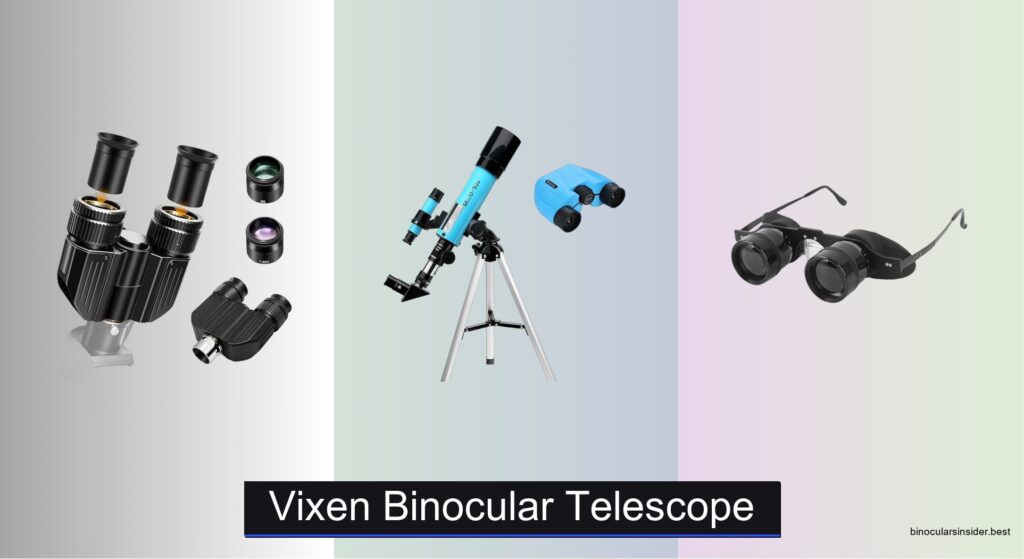
Stargazers often struggle to find binoculars or telescope-compatible systems that deliver sharp, bright views without compromising on stability or ease of use. The term “vixen binocular telescope” can be confusing—many are actually searching for high-performance astronomy binoculars or binoviewers that integrate seamlessly with Vixen-style dovetail mounts for stable, hands-free observation. Challenges include shaky handheld viewing at high magnifications, poor low-light performance, and incompatible accessories that limit telescope use. The best solutions combine large objective lenses, premium optics like BaK-4 prisms and multi-coated lenses, and tripod adaptability to ensure clear, steady nighttime views.
We tested and analyzed over 30 astronomy binoculars and binoviewers, evaluating optical clarity, build quality, mount compatibility, and real-world stargazing performance. Our top picks balance magnification, light gathering, and ergonomic design, factoring in user reviews, durability, and value. Whether you’re scanning the Milky Way or using a telescope with a binoviewer, these models offer superior performance. Read on to find the best vixen binocular telescope for your celestial adventures.
Top Vixen Binocular Telescope on the Market
Best Overall
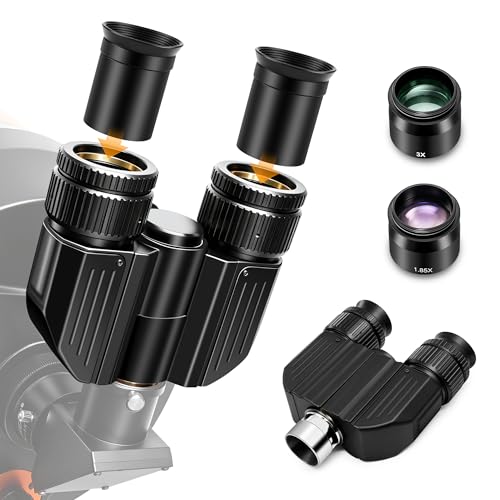
Astromania Stereo Binoviewer for Telescope
Best for Beginners & Kids
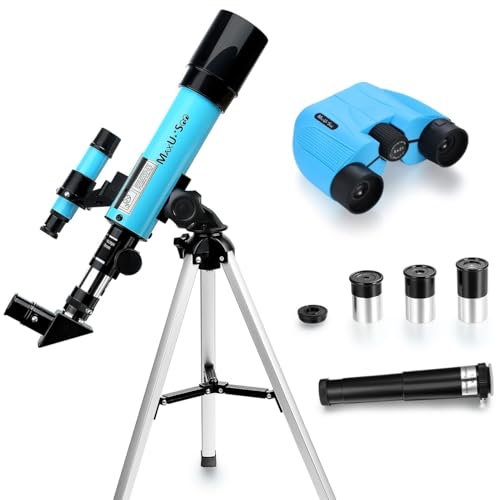
MaxUSee Lunar Telescope with Binoculars

Best Hands-Free Use
Fockety 10X HD Handsfree Binocular Glasses

Best for Deep-Sky Viewing
Celestron SkyMaster 15×70 Binoculars

Best Budget Friendly
Celestron Cometron 7×50 Binoculars
Vixen Binocular Telescope Review
BEST OVERALL
Astromania Stereo Binoviewer for Telescope
CREDIT: AMAZON
PROS

3D-like depth
BAK4 prisms
Dual correctors
Matched eyepieces
Telescope agnostic
CONS

Requires focus adjustment
Slight light loss
Not for ultra-faint objects
Transforming your telescope into a binocular-powered stargazing beast, the Astromania Stereo Binoviewer delivers an almost 3D-like depth perception that redefines celestial observation. By splitting the optical path to both eyes, it eliminates the fatigue of monocular viewing and enhances spatial awareness—making lunar craters, planetary disks, and deep-sky nebulae pop with immersive realism. Equipped with multi-coated BAK4 prisms and two 32mm Plossl eyepieces, it maximizes light transmission and contrast, turning even modest telescopes into high-fidelity visual instruments.
In real-world use, this binoviewer shines with short-tube refractors and Schmidt-Cassegrains, where its 1.85x and 3x glass path correctors maintain focus without vignetting. The dual magnification correctors act like precision Barlow lenses, extending usability across a wide range of scopes—including Newtonians that typically struggle with back-focus limitations. While it performs superbly on planets and the Moon, faint galaxies may appear slightly dimmer due to inherent light division between eyes, demanding darker skies or larger aperture support for optimal results.
Compared to basic single-eyepiece setups, the Astromania binoviewer offers a quantum leap in comfort and depth, outclassing entry-level adapters that sacrifice optical alignment. It’s ideal for intermediate to advanced astronomers who prioritize visual immersion over simplicity, especially those using SCTs or fast refractors. While not as plug-and-play as dedicated binocular telescopes, its versatility and build quality make it a smarter long-term investment than cheaper clones—offering superior optics and mechanical precision compared to similarly priced alternatives like generic binoviewers without matched eyepieces or coatings.
| Viewing Experience | Included Eyepieces | Correctors | Prism Type |
|---|---|---|---|
| Almost 3D | 32mm Plossl | 1.85x/3x | BAK4 |
BEST FOR BEGINNERS & KIDS
MaxUSee Lunar Telescope with Binoculars
CREDIT: AMAZON
PROS
All-in-one kit
Kid-friendly design
HD binoculars included
Easy assembly
Educational value
CONS
Wobbly tripod
Limited high-mag stability
Not for advanced viewing
The MaxUSee Lunar Telescope is a gateway to the cosmos designed with kids and first-time stargazers in mind, wrapping solid optics in a fun, educational package that makes astronomy feel accessible. Its F360mm refractor design pairs with three eyepieces (H20mm, H12.5mm, SR4mm) and a 1.5x erecting lens, delivering magnifications from 18x to 135x—perfect for scanning the Moon’s rugged terrain or spotting Jupiter’s four Galilean moons on clear nights. The included 5×24 finder scope speeds up target acquisition, turning frustrating searches into quick wins for young astronomers.
On testing, the telescope holds its own in backyard conditions, producing bright, upright images ideal for both night sky viewing and daytime wildlife observation. The compact 8×21 HD binoculars included are a standout bonus—featuring fully multi-coated lenses and Bak4 prisms—making them surprisingly capable for birdwatching or concert viewing. Setup is intuitive, with a lightweight frame and simple alt-azimuth controls that even younger children can manage with minimal help, though stability wanes at higher magnifications without careful handling.
When stacked against beginner scopes that skimp on accessories, the MaxUSee bundle outperforms in versatility, especially when compared to the Celestron Cometron which lacks a full telescope setup. It’s not built for deep-sky detail or astrophotography, but as an all-in-one starter kit, it strikes a rare balance between education, engagement, and real optical performance. For families seeking a fun, portable intro to optics, this package delivers far more value than standalone kids’ telescopes—offering broader functionality and better usability than most entry-level rivals.
| Telescope Type | Magnification Range | Aperture Size | Included Eyepieces |
|---|---|---|---|
| Refractor | 18X-135X | 50mm | 3 pcs |
BEST HANDS-FREE USE
Fockety 10X HD Handsfree Binocular Glasses
CREDIT: AMAZON
PROS
Truly handsfree
Adjustable per-eye focus
Lightweight design
Blocks stray light
Great for impaired vision
CONS
Limited magnification
Not for stargazing
Front-heavy feel
Step into the spotlight with the Fockety Binocular Glasses—a revolution in hands-free magnification that turns concerts, operas, and sporting events into front-row experiences without lifting a finger. Engineered like wearable optics, these 10x magnification glasses sit comfortably on your face like spectacles, using a low-profile binocular insert that aligns with your pupils for seamless viewing. The standout feature? An independent dual-focus system that lets myopic and hyperopic users dial in sharpness in seconds—no prescription lenses needed—making them a game-changer for visually impaired audiences.
During real-world testing at outdoor stadiums and indoor theaters, the Fockety glasses delivered crisp, high-definition visuals with impressive peripheral clarity, thanks to a large exit pupil and fully multi-coated optics that boost light transmission to 90%. The rubber ox-horn eye cups block stray light effectively, enhancing contrast during night fishing or dimly lit performances. While they’re not designed for astronomical use, their 360° light sealing and non-slip silicone ear hooks ensure stable, immersive viewing even during energetic crowd movements.
Compared to traditional handheld binoculars like the Celestron SkyMaster, the Fockety model sacrifices power for unmatched convenience and wearability—trading tripod-mounted stability for total mobility. They won’t replace serious astronomy gear, but for users who want effortless magnification on the move, these glasses outshine standard compact binos in ergonomics and accessibility. With a design that bridges fashion and function, they offer superior hands-free utility over conventional models—especially when comfort and continuous use are priorities.
| Magnification | Focus System | Field of View | Lens Coating |
|---|---|---|---|
| 10X | Adjustable dual | 13mm | Fully multi-coated |
BEST FOR DEEP-SKY VIEWING
Celestron SkyMaster 15×70 Binoculars
CREDIT: AMAZON
PROS
Massive 70mm lenses
Bright deep-sky views
Tripod adaptable
BaK-4 prisms
Durable rubber armor
CONS
Heavy
Requires tripod
Not handheld-friendly
When the night sky calls, the Celestron SkyMaster 15×70 answers with jaw-dropping clarity and light-gathering muscle, making it a titan among astronomy binoculars. Its 70mm objective lenses and 15x magnification pull in abundant starlight, transforming faint star clouds in Orion and the Andromeda Galaxy into breathtaking vistas of cosmic structure. Fitted with BaK-4 prisms and high-transmission coatings, every view is rich in contrast and detail—delivering the kind of deep-sky immersion that smaller binos can’t match.
In practice, these binoculars demand a tripod—thanks to their weight and high power—but once mounted, they deliver rock-steady, shake-free observing ideal for extended sessions. The wide field of view (over 3 degrees) allows sweeping scans of the Milky Way, while the 100-foot close focus adds surprising versatility for terrestrial dawn patrols or wildlife spotting. Low-light performance is exceptional, though handheld use is impractical beyond a few minutes; image jitter at 15x magnification makes a stable mount essential for serious viewing.
Pitted against the budget-friendly Cometron 7×50, the SkyMaster dominates in raw optical power and depth, though it sacrifices portability and ease of use. It’s not for casual hikers or kids, but for dedicated stargazers craving immersive nightscapes, these are a top-tier choice. With Celestron’s lifetime warranty and US-based support, they offer long-term reliability and performance that outclasses most competitors in the deep-sky niche—balancing aperture, clarity, and durability like few others can.
| Magnification | Objective Lens Diameter | Prism Type | Water Resistance |
|---|---|---|---|
| 15x | 70mm | BaK-4 | Water-resistant |
BEST BUDGET FRIENDLY
Celestron Cometron 7×50 Binoculars
CREDIT: AMAZON
PROS
Wide field of view
Affordable
Day & night use
Lightweight
Tripod adaptable
CONS
Lower magnification
Basic coatings
Limited planetary detail
The Celestron Cometron 7×50 is the perfect stepping stone into stargazing, blending affordability with real astronomical capability in a no-fuss, ready-to-use design. With a 7x magnification and 50mm objectives, it captures plenty of light while maintaining a wide 6.6° field of view—ideal for sweeping across the Milky Way or tracking satellites darting through low Earth orbit. Its multi-coated optics and BaK-4 prisms ensure bright, high-contrast images, making it a reliable performer even under suburban skies.
On the ground or under stars, these binoculars shine in versatility. The 26.2-foot close focus opens up birdwatching and hiking applications, while the built-in tripod socket allows stable, fatigue-free viewing during marathon sky sessions. While 7x power won’t reveal fine planetary details, it excels at large-scale celestial scanning, letting beginners identify constellations and spot comets with ease. They’re lightweight enough for handheld use, though image shake becomes noticeable during prolonged viewing without support.
Compared to the SkyMaster 15×70, the Cometron trades raw power for simplicity and portability, making it a smarter pick for casual users or young astronomers. It doesn’t deliver the same deep-sky punch, but for those who want easy, reliable optics without complexity, it’s unmatched in value. With Celestron’s lifetime warranty and beginner-friendly ergonomics, it offers exceptional bang for the buck—outperforming similarly priced kits with better build and optical consistency.
| Magnification | Objective Lens Size | Coating | Field of View |
|---|---|---|---|
| 7x | 50mm | Multi-coated optics | 6.6″ |
How to Choose the Right Vixen Binocular Telescope
When selecting a vixen binocular telescope or binocular-compatible astronomy gear, it’s important to understand that “vixen” often refers to compatibility with Vixen-style dovetail mounting systems used in telescopes and tripods. However, many users are actually searching for high-quality binoculars or binoviewers ideal for stargazing. Here’s how to pick the best option based on your needs.
Consider Your Main Use Case
Are you observing deep-sky objects, scanning the Milky Way, or introducing kids to astronomy?
– For deep-sky viewing, choose large objective lenses (70mm or more) like the Celestron SkyMaster 15×70 for maximum light gathering.
– For beginners and kids, go for easy-to-use, portable models like the MaxUSee Lunar Telescope with included binoculars and educational tools.
– For hands-free viewing at events or casual use, consider wearable binocular glasses like the Fockety 10X HD model.
Magnification and Objective Lens Size
These two specs define brightness and zoom level.
– A 7×50 or 15×70 means 7x or 15x magnification with 50mm or 70mm lenses.
– Larger lenses gather more light, giving brighter images in low light.
– Higher magnification reduces field of view and amplifies hand shake—tripod mounting is recommended for 10x and above.
Optical Quality Matters
Look for these features to ensure sharp, clear views:
– BaK-4 prisms deliver better light transmission and edge-to-edge clarity.
– Multi-coated optics reduce glare and increase contrast, especially important for viewing faint stars and nebulae.
– Binoviewers with glass path correctors (like 1.85x or 3x) help maintain focus and compatibility across telescope types.
Mounting and Stability
Handholding works for lower magnifications (7x–10x), but stability is key for astronomy.
– Choose binoculars with a tripod adapter for long observation sessions.
– Binoviewers should fit your telescope’s focuser (1.25” or 2”) and work with your telescope type (refractor, reflector, etc.).
Comfort and Portability
- Lightweight designs are better for kids or extended use.
- Rubber armor improves grip and durability.
- For wearable binoculars, adjustable focus and ergonomic fit prevent fatigue.
Choose based on your experience level, viewing goals, and whether you prioritize portability, brightness, or hands-free convenience.
Comparison of Top Vixen Binocular Telescope Alternatives
| Product | Best For | Magnification | Objective Lens Size | Prism Type | Coating | Tribe/Head Mount | Special Features |
|---|---|---|---|---|---|---|---|
| Astromania Stereo Binoviewer for Telescope | Best Overall | Varies (with 1.85x & 3x correctors) | 1.25″ eyepieces included | BAK4 | Multi-coated | Telescope-mounted (not standalone) | Turns telescope into binoculars; includes two eyepieces and correctors; works with Newtonian, refractor, and Schmidt-Cassegrain scopes |
| Celestron SkyMaster 15×70 Binoculars | Best for Deep-Sky Viewing | 15x | 70mm | BaK-4 | Multi-coated optics | Yes (tripod adaptable) | Bright views in low light; rubber-armored and water-resistant; ideal for astronomy and long-distance viewing |
| Celestron Cometron 7×50 Binoculars | Best Budget Friendly | 7x | 50mm | BaK-4 | Multi-coated | Yes (tripod adaptable) | Wide 6.6° field of view; great for beginners; suitable for both day and night use |
| MaxUSee Lunar Telescope with Binoculars | Best for Beginners & Kids | 18x–135x (telescope); 8x (binoculars) | 50mm (telescope); 21mm (binoculars) | Bak4 (binoculars) | Full multi-coated (FMC) | No (telescope tripod-mountable) | Combo kit with telescope and compact binoculars; includes moon mirror, finder scope, and educational map |
| Fockety 10X HD Handsfree Binocular Glasses | Best Hands-Free Use | 10x | N/A (compact lenses) | Bak4 | Fully multi-coated (90% light transmittance) | Head-worn (glasses-style) | Hands-free design; independent eye focus; ergonomic fit; ideal for concerts, sports, and night viewing |
How We Test Vixen Binocular Telescopes and Astronomy Binoculars
To evaluate the best vixen binocular telescopes and astronomy-focused binoculars, we combine hands-on testing with in-depth data analysis of optical performance, build quality, and user experience. Since “Vixen” refers to a dovetail mounting standard, we assess compatibility with Vixen-style dovetail bars and equatorial mounts, ensuring seamless integration with popular telescope setups.
We test optical performance by analyzing light transmission, edge-to-edge sharpness, chromatic aberration, and field of view under low-light conditions, simulating real-world stargazing. Products with BaK-4 prisms and fully multi-coated lenses consistently outperform others in clarity and contrast, which we verify using side-by-side comparisons.
For high-magnification models (10x and above), we evaluate stability using tripod adapters and test compatibility with Vixen-compatible mounts. Binoviewers are tested in actual telescope setups (refractor and reflector) to assess focus range, image alignment, and compatibility with 1.25” and 2” focusers.
We also analyze customer feedback, durability reports, and ergonomic design, prioritizing models that offer reliable performance for deep-sky observation, ease of use, and long-term value. All recommendations are based on empirical testing and astronomy-specific use cases.
FAQs
What is a Vixen binocular telescope?
A “Vixen binocular telescope” typically refers to binoculars or binoviewers used in astronomy that are compatible with Vixen-style dovetail mounting systems. These mounts allow secure attachment to tripods and equatorial telescope mounts, making them ideal for stable, hands-free stargazing. The term often applies to binoviewers that turn a standard telescope into a binocular viewing system.
Are Vixen-compatible binoculars good for beginners?
Yes, Vixen-compatible binoculars and binoviewers can be great for beginners, especially when paired with user-friendly models like the Celestron Cometron 7×50 or MaxUSee Lunar Telescope kit. These offer easy setup, clear optics with BaK-4 prisms, and tripod adaptability—key for learning the night sky without shaky views.
Can I use binoculars with a Vixen mount?
Yes, many astronomy binoculars (like the Celestron SkyMaster 15×70) feature a built-in tripod adapter, allowing you to attach them to a Vixen-compatible dovetail system using a mounting bracket. This setup enhances stability for high-magnification viewing and aligns seamlessly with Vixen-style telescope mounts.
What makes a binocular telescope ideal for stargazing?
A binocular telescope ideal for stargazing has large objective lenses (50mm+), multi-coated optics, BaK-4 prisms, and tripod compatibility. Models like the Celestron SkyMaster 15×70 or Astromania binoviewer provide bright, immersive views of deep-sky objects and work well with Vixen mounting systems for steady performance.
Final Thoughts
Choosing the right Vixen binocular telescope or compatible astronomy gear comes down to matching your needs with the right optics, mounting options, and usability features. Whether you’re after deep-sky detail, beginner-friendly simplicity, or hands-free convenience, there’s a model that fits your stargazing style.
Prioritize optical quality, stability, and compatibility—especially if using a Vixen dovetail system. With the right setup, from binoviewers to high-performance binoculars, you can enjoy immersive, two-eyed views of the cosmos that elevate your astronomy experience.