
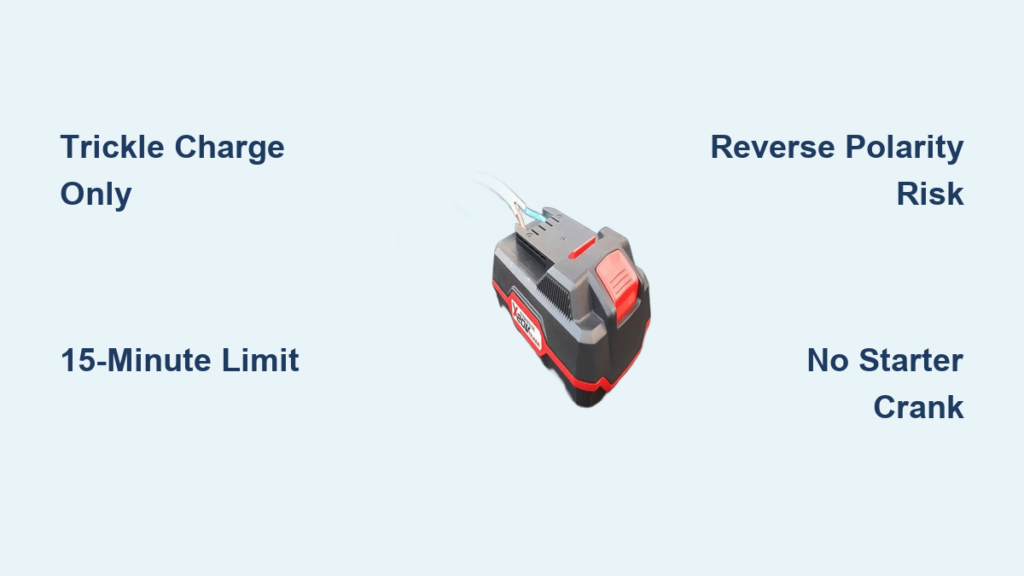
You’re stranded in a parking lot with a dead car battery, flashlight in hand, realizing your jump starter is still charging at home. But wait—your cordless drill battery is fully charged in the trunk. Can you use that 18V power tool battery to jump-start your car? While viral videos show this as a life hack, using a drill battery to jump a battery is an extremely high-risk maneuver that could destroy your vehicle’s electronics or trigger an explosion. This guide cuts through the misinformation to show you exactly why this method should only be attempted in true survival situations, the precise trickle-charge procedure that might work without frying your car’s computer, and the $50 safety net that makes this “hack” obsolete. You’ll learn why your drill battery lacks the Cold Cranking Amps (CCA) needed for a safe jump and how voltage mismatches can turn a roadside fix into a $3,000 repair bill.
Why Your Drill Battery Can’t Safely Replace a Jump Starter
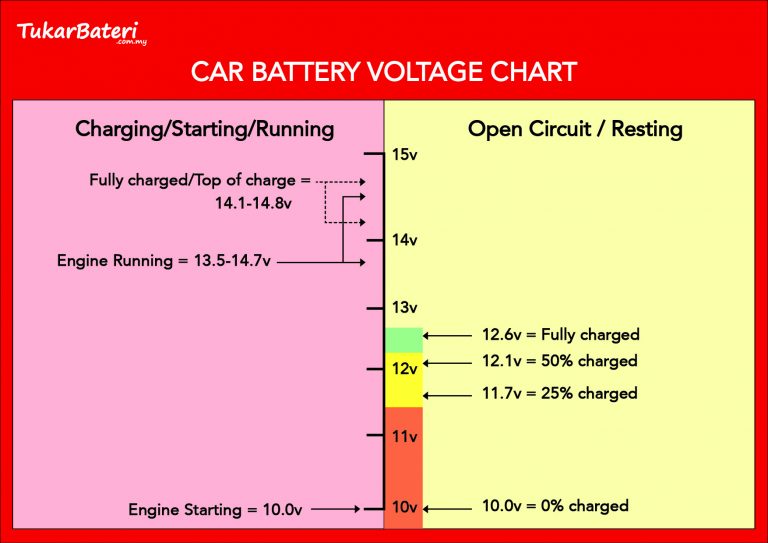
The fatal flaw in jumping a car battery with a drill battery lies in voltage warfare. Your car’s electrical system operates at 12.6 volts when fully charged, but most modern drill batteries run at 18V or 20V MAX—up to 60% higher voltage. Unlike commercial jump starters with voltage regulators, a raw power tool battery dumps uncontrolled current directly into your vehicle’s sensitive circuits. This mismatch creates two critical dangers: First, your car’s dead battery acts like a sponge, sucking massive current that can melt drill battery terminals. Second, when the starter motor engages, it generates back-EMF (voltage spikes up to 60V) that surge back through the connection. Without protection circuitry, these spikes fry components like your Engine Control Unit (ECU)—the brain controlling fuel injection and emissions. Power tool batteries also lack the 400-600 Cold Cranking Amps needed to spin a starter motor; their Battery Management Systems (BMS) typically shut down under such extreme loads, leaving you stranded mid-attempt.
Life-Threatening Risks That Make This Method Nearly Unacceptable

Explosion Hazard From Hydrogen Gas Buildup
Never skip this safety step: A discharged lead-acid car battery emits invisible hydrogen gas around its terminals. Connecting a drill battery creates sparks capable of triggering a violent explosion—sending sulfuric acid and plastic shrapnel at 200+ mph. This risk skyrockets if your dead battery is old, damaged, or has visible corrosion. Always wear ANSI Z87.1-rated safety glasses and heavy-duty gloves before touching terminals. If you smell rotten eggs (hydrogen sulfide), retreat immediately and call for help—do not attempt any connection.
$2,000+ Electronics Damage From Voltage Spikes
Modern vehicles contain 50+ microprocessors managing everything from airbags to transmission shifts. When an 18V drill battery connects to your 12V system, unregulated voltage surges can:
– Fry the Engine Control Unit (replacing costs $1,500-$2,500)
– Destroy the Body Control Module (causing lights/locks to malfunction)
– Permanently disable infotainment systems with embedded navigation
One mechanic reported a customer who used a drill battery jump, only to have their Toyota Camry’s entire instrument cluster fail—requiring $1,800 in repairs. Tool manufacturers like DeWalt and Makita explicitly void warranties for such misuse in their terms of service.
Step-by-Step: The 15-Minute Trickle Charge (Last-Resort Only)
This method uses the drill battery to slowly recharge the dead car battery—never to power the starter directly. Success requires your car battery to retain some charge (above 9V). If it reads below 8V on a multimeter, this won’t work.
Critical Safety Preparations Before Connecting
Put your vehicle in Park with the parking brake engaged. Remove all metal jewelry and ensure no one stands near the battery. Confirm your drill battery is fully charged (indicator lights solid green)—a partially depleted battery lacks sufficient energy. Gather these essentials:
– Heavy-gauge jumper cables (4-gauge minimum)
– Alligator-clip adapter for your drill battery model
– Digital multimeter (to verify voltages)
– Fire extinguisher rated for electrical fires (Class C) within arm’s reach
Pro Tip: Place a rubber mat under your feet to prevent ground conduction if you accidentally touch live terminals.
How to Connect for Slow Charging Without Damage
- Test voltages first: Measure your dead car battery—it should read 9-11V. Your drill battery must show 18-20V. Never proceed if car battery is below 8V.
- Connect to car battery first: Attach RED jumper cable to dead battery’s positive (+) terminal. Clip BLACK cable to an unpainted engine bolt (not the battery’s negative terminal—to reduce spark risk near gas-emitting battery).
- Prepare drill battery: Identify polarity markings on your drill battery. Label terminals with tape: “+” for positive, “-” for negative.
- Final connection: Attach adapter’s RED wire to drill battery’s positive terminal, then BLACK wire to negative. This is the ONLY safe sequence—reversing polarity guarantees catastrophic failure.
The Non-Negotiable 15-Minute Charging Window
Let the drill battery charge the car battery for exactly 15 minutes—set a timer. Overcharging risks:
– Overheating drill battery (swelling or venting thermal runaway)
– Boiling electrolyte in car battery (causing acid leaks)
– Voltage creep toward 14V+ that stresses vehicle electronics
Monitor connections constantly: If cables feel warm or smell like ozone, disconnect immediately. After 15 minutes, disconnect the drill battery FIRST before touching any other component.
Why You Must Disconnect Before Turning the Key
This step prevents 90% of electronics damage. The starter motor requires 100-200+ amps for 2-3 seconds—far beyond what a drill battery can safely deliver. If connected during cranking:
– Voltage spikes from the starter motor back-feed into the drill battery
– Unregulated 18V+ floods your car’s 12V circuits during peak demand
After disconnecting the drill battery, attempt to start normally. If the engine cranks slowly, wait 5 more minutes and repeat the charge cycle once. If it still won’t start, your car battery is too far gone—stop trying.
What to Do When Your Drill Battery Jump Fails
Diagnosing Why the Car Won’t Start After Charging
If your engine turns over weakly after the trickle charge, check these likely culprits:
– Battery sulfation: Crystals formed on plates from deep discharge (requires professional desulfation)
– Parasitic drain: A faulty component (like a trunk light) drained the battery overnight
– Failed alternator: Can’t recharge battery even if jump succeeds (test with multimeter while running)
If the engine doesn’t crank at all, your starter motor or ignition system has failed—adding more charge won’t help.
Emergency Steps If You’re Still Stranded
With no cell service and failing jump attempts:
1. Push-start manuals only: Engage 2nd gear, release parking brake, and have helpers push to 5+ mph before popping the clutch. Never attempt with automatic transmissions.
2. Solar trickle charger: If stranded for hours, a $30 solar panel can slowly recharge your battery (requires 4+ hours of direct sun).
3. Signal for help: Tie a bright cloth to your antenna and wait for police or highway patrol—they often carry jump kits.
The Safe, Affordable Alternatives That Prevent Catastrophe
Why a $50 Jump Starter Pack Is Worth Every Penny
Modern lithium jump starters like the NOCO Boost Plus GB40 solve every risk of the drill battery method:
– Voltage regulation holds output at 12.6V ±0.5V even during cranking
– Reverse-polarity alarms beep before you connect incorrectly
– Spark-proof technology prevents hydrogen gas ignition
– 1000+ peak amps reliably starts gasoline engines up to 6L
Weighing less than 2 lbs, these units fit in your glove compartment and double as phone chargers. For less than the cost of one drill battery, you gain peace of mind—no more roadside gambling with your vehicle’s electronics.
Traditional Jumper Cables Done Right: The Foolproof Method
When another vehicle is available, follow this damage-proof sequence:
1. Park donor car facing yours (engines off, parking brakes on)
2. Connect RED to dead battery positive (+)
3. Connect RED to donor battery positive (+)
4. Connect BLACK to donor battery negative (-)
5. Connect BLACK to unpainted engine bolt on dead car (never battery negative!)
6. Start donor vehicle, let run 2 minutes
7. Start dead vehicle—remove cables in reverse order
This method uses the donor car’s alternator to regulate voltage, eliminating surge risks.
Why Modern Cars Are Especially Vulnerable to Drill Battery Jumps
The Hidden Cost: How One Spark Can Destroy Your Car’s Computer System
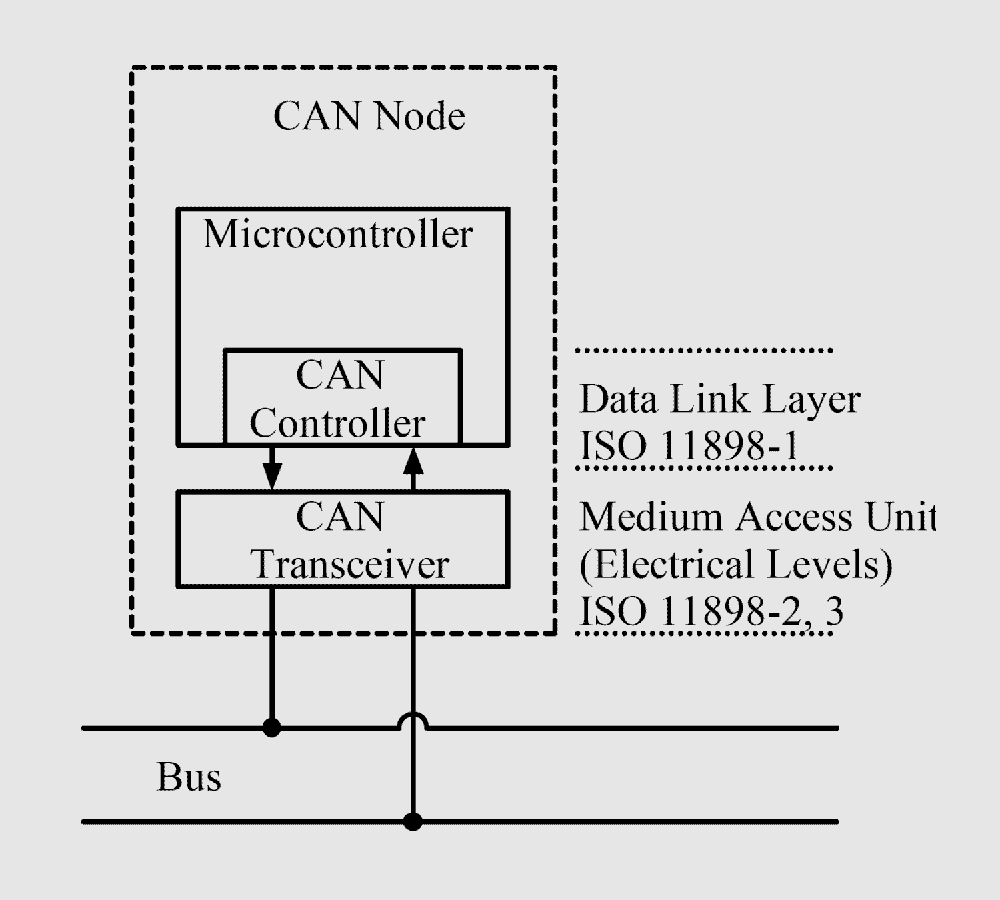
Newer vehicles (2015+) with CAN bus architecture share data across 30+ modules. A single voltage spike from an unregulated drill battery can cascade through this network:
– A 2020 Ford F-150 owner reported $2,200 in repairs after a drill jump fried both the powertrain and infotainment modules
– Hybrid vehicles like the Toyota Prius have sensitive DC-DC converters that fail at 14.5V+ (easily exceeded by 18V drill batteries)
– Start-stop systems require precise voltage sequencing—unregulated jumps corrupt calibration data
Dealerships now mandate “module reprogramming” after any jump-start, costing $150+ even if no immediate damage occurs.
Final Verdict: When to Try It (Almost Never) and What to Do Instead
Do not attempt to jump a car battery with a drill battery unless you’re in a true survival scenario: stranded in sub-zero temperatures with no cell service and no other options. The 15-minute trickle-charge method has a success rate below 30% and risks thousands in repairs. One auto electrician told us, “I’ve seen more vehicles damaged by drill battery jumps than actual dead batteries—they’re a solution looking for a problem.” For less than the price of two premium drill batteries, buy a dedicated jump starter. Keep it charged in your trunk year-round, and test it quarterly. If you’re reading this before an emergency, skip the viral hacks—your car’s computer system is too expensive to gamble with. Invest in safety now, so the only thing you’ll jump in the future is your heart rate when you forget to turn off your headlights.