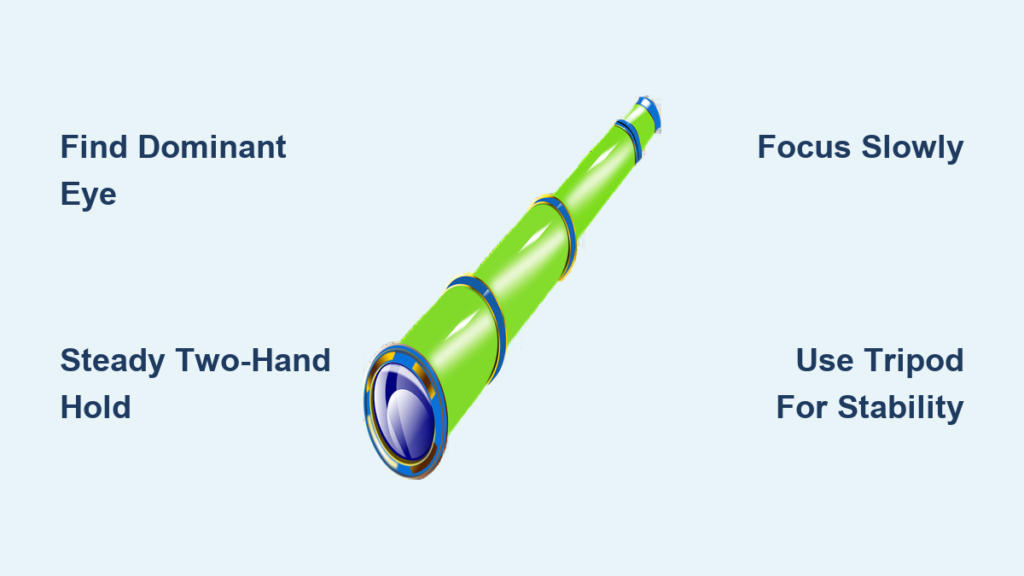
You just unboxed your new monocular and want to make the most of it—whether you’re scanning distant wildlife, navigating rugged trails, or stargazing under a clear sky. Knowing how to use a monocular properly can transform a confusing blur into a sharp, detailed view of the world beyond your reach. Unlike binoculars, monoculars offer a single-eye magnified view, making them lightweight and ideal for on-the-go observation. But without the right technique, even the best optics can disappoint.
This guide walks you through every step—from finding your dominant eye to focusing like a pro, stabilizing your view, and using it safely in the wild. You’ll learn how to spot animals without disturbing them, identify trees from afar, and even start a fire in an emergency. Whether you’re a hiker, birdwatcher, or survival enthusiast, mastering your monocular unlocks deeper awareness and precision in the field. Let’s turn that small device into a powerful extension of your vision.
Find Your Dominant Eye First
Before lifting the monocular, determine which eye sees best—your dominant eye. Using the wrong eye causes eye strain, blurry images, and poor alignment.
Test for Eye Dominance Quickly
Hold both arms out and form a small triangle with your thumbs and index fingers. Center a distant object—like a tree or sign—within the triangle while keeping both eyes open. Close one eye, then the other. The eye that keeps the object centered is your dominant eye.
Right-eye dominant? Hold the monocular in your right hand. Left-eye dominant? Use your left. This natural alignment improves balance and visual clarity.
Adjust for Eyeglass Wearers
If you wear glasses, look for a monocular with 14mm or more eye relief—the distance from the eyepiece to your eye where you still see the full image. Without enough relief, you’ll lose parts of the view and struggle with focus.
Twist-up or fold-down eyecups let you position your eye correctly. Fold them down if you wear glasses; leave them up if you don’t. This small tweak makes a big difference in comfort and field of view.
Hold It Right for Steady Viewing
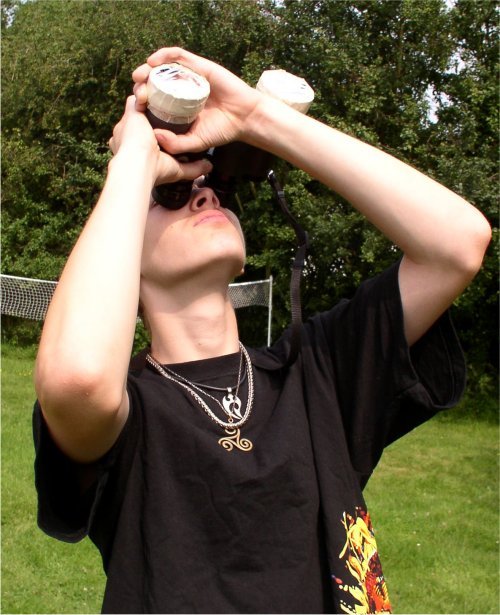
How you hold the monocular affects stability, focus, and fatigue.
Use Two Hands When Possible
Grip the body near the eyepiece with one hand. Use your other hand to adjust the focus wheel. Keep your elbows tucked into your sides to reduce hand shake. Avoid squeezing too hard—tight grips cause tremors.
For extended use, rest your arms on a rock, fence, or vehicle window. Even slight support cuts down vibration and sharpens the image.
Attach a Strap for Safety
Always use a wrist or neck strap. A dropped monocular can mean scratched lenses or broken internals. A strap also lets you keep it ready without fumbling in a pocket or bag.
Focus Like a Pro
Sharp focus turns distant shapes into identifiable details—feathers, bark, or terrain features.
Start with a Distant Target
Point the monocular at a faraway stationary object like a tree or building. Turn the central focus wheel slowly until the image snaps into clarity. Don’t rush—fine-tuning matters.
Use the Diopter Adjustment (If Available)
Some models have a diopter ring near the eyepiece to correct for differences between your eyes. Close your dominant eye and focus with the non-dominant eye using the main wheel. Then switch and use the diopter to fine-tune. Now both eyes can see clearly when you glance back and forth.
Pro Tip: Practice focusing fast. Birds and animals don’t wait—you need to lock onto them in seconds.
Spot Targets Without Losing Them
Finding and tracking subjects is half the battle. Use these techniques to stay on target.
Scan With Your Naked Eye First
Never start with the monocular. Use your unaided vision to scan the area broadly. Spot movement, color, or shape—then bring the monocular in for detail.
This saves time and prevents disorientation. Your brain knows the context; the monocular just zooms in.
Keep Your Other Eye Open
Yes, it feels odd at first. But keeping your non-dominant eye open reduces eye strain and helps you maintain spatial awareness. You’ll react faster to movement and avoid bumping into things.
With practice, your brain merges the two views—one magnified, one wide—giving you the best of both worlds.
Track Moving Subjects Smoothly
Don’t jerk the monocular. Turn your head and pivot your upper body. Keep the target in the center of the view.
If the animal changes distance, refocus continuously. A deer 100 yards away looks sharp—until it moves to 70. Re-focus without losing sight of it.
Stabilize for Clearer Views

Hand shake blurs high-magnification views. Fix it with smart positioning and tools.
Brace Against Solid Surfaces
Lean on a tree, rest your elbows on a wall, or sit with arms on your knees. Any contact with a stable object reduces motion.
Even leaning forward slightly in a chair helps steady your arms during long observation.
Use a Tripod Adapter for 10x and Above
Magnifications over 10x amplify hand tremors. A tripod adapter screws into the monocular’s base and attaches to a monopod or compact tripod.
Ideal for stargazing, birdwatching, or surveillance. It’s a small accessory that makes a huge difference in image quality.
Understand How Depth Perception Works
With one eye, you lose binocular vision—but not all depth cues. Learn to read them.
Read Monocular Cues for Distance
Your brain uses visual clues to judge depth:
– Relative size: A known object (like a deer) appears smaller when far away.
– Occlusion: If a rock blocks part of a log, the log is farther back.
– Linear perspective: Fences, roads, or rivers converge in the distance.
– Texture gradient: Grass looks coarse up close, fine and smooth at distance.
– Motion parallax: When you move your head, near objects slide faster across the view than distant ones.
– Aerial perspective: Faraway mountains look hazy or bluish due to atmosphere.
Use these cues to estimate how far a bird is, whether a cliff is safe to cross, or where prey might be hiding.
Use It for Bird Watching Like an Expert
Birders rely on monoculars for quick, quiet observation.
Find a Quiet Observation Spot
Set up near feeders, wetlands, or forest edges. Stay still and silent. Birds notice movement and noise.
Use low magnification (8x) for wider views. High magnification narrows the field and makes tracking harder.
Focus Fast on Flitting Birds
Practice on swallows or warblers. Start wide, locate the bird, then zoom in. Refocus as it moves between branches.
Rest your arms on a fence or log. A shaky image misses feather patterns and beak details.
Pro Tip: Learn bird calls. Hearing a trill or chirp helps you locate and anticipate movement before you even raise the monocular.
Navigate Terrain Like a Hiker
A monocular is a hiker’s secret tool for safety and orientation.
Read Trail Markers from Afar
Spot blazes, cairns, or signs before committing to a path. Avoid wrong turns on foggy or overgrown trails.
Use it to check river crossings—look for stable rocks or weak banks. Scan cliff edges for loose soil or erosion.
Identify Landmarks for Map Reading
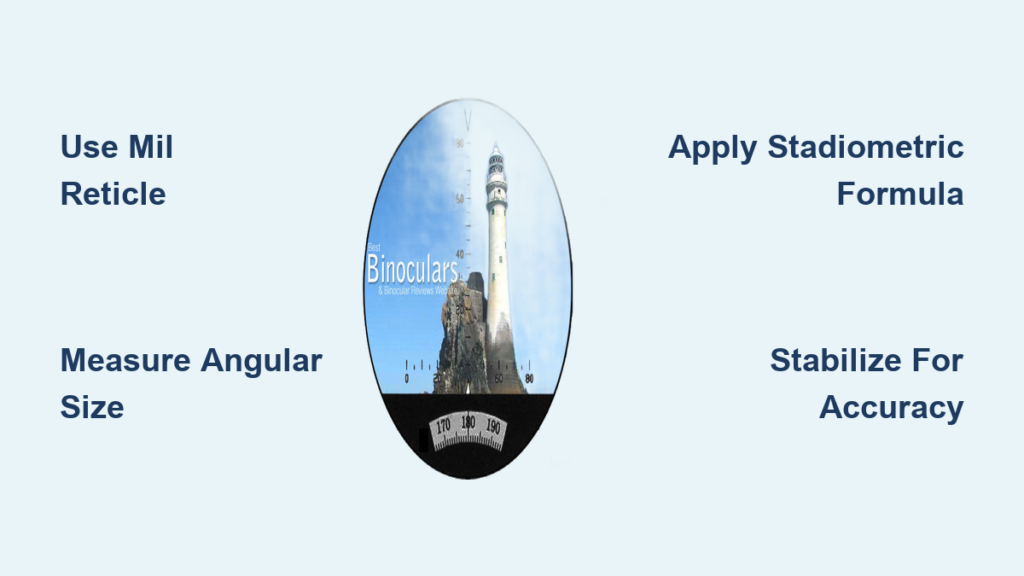
Match distant peaks, lakes, or ridgelines with your topographic map. A monocular confirms what you see versus what’s on paper.
Combine with a compass for accurate navigation in remote areas.
Spot Wildlife Without Disturbing It
Ethical wildlife observation means watching from a distance.
Watch Animals in Their Natural State
Use the monocular to study feeding, nesting, or movement patterns. A deer grazing in a meadow won’t know you’re there.
Avoid sudden movements. Stay downwind so animals don’t smell you.
Identify Hidden Creatures
Copperheads blend into leaf litter. Use magnification to scan carefully. Look for triangular heads or coiled bodies.
Birds in high branches? Check for nesting behavior or fruiting trees that attract them.
Rule: Never approach or provoke. The monocular’s job is to keep you far enough away to respect the animal.
Start a Fire in an Emergency
In survival situations, your monocular can be a fire-starting tool.
Focus Sunlight on Tinder
On a sunny day, aim the objective lens at dry tinder—char cloth, cotton balls, or bark shavings. Hold it steady and perpendicular to the sun’s rays.
Concentrated light creates a hot spot. After 30–60 seconds, smoke appears—then flame.
Warning: Never look at the sun through the monocular. Permanent eye damage can occur instantly.
Practice this skill in daylight, but only in safe, open areas.
Stargaze with a Monocular
Yes, you can use a monocular for astronomy.
Choose the Right Conditions
Go to a dark location away from city lights. Let your eyes adapt for 20–30 minutes. Use a red flashlight to preserve night vision.
Start with bright objects: the Moon, Jupiter, or Venus. They’re easy to find and show detail.
Focus Slowly on Stars
Celestial bodies are extremely distant. Turn the focus wheel gently—over-focusing is common.
Use a tripod. Hand-holding at 12x or 20x shakes too much for steady viewing.
Limitation: Monoculars gather less light than binoculars or telescopes. But they’re great for scanning the Milky Way or spotting star clusters.
Use Night Vision or Infrared Models Safely
Some monoculars have infrared (IR) for total darkness.
Activate IR Only When Needed
IR emitters send out invisible light. Turn it on only when ambient light is too low. It drains battery and can reveal your position.
Avoid reflective surfaces—glass, water, or metal—that bounce IR back into your eye.
Never Stare Into the Emitter
Even though you can’t see the light, it can damage your retina over time. Use in short bursts.
Check detection range—usually 100–300 meters. Beyond that, detail fades.
Choose the Right Monocular for Your Use
Your device choice affects performance.
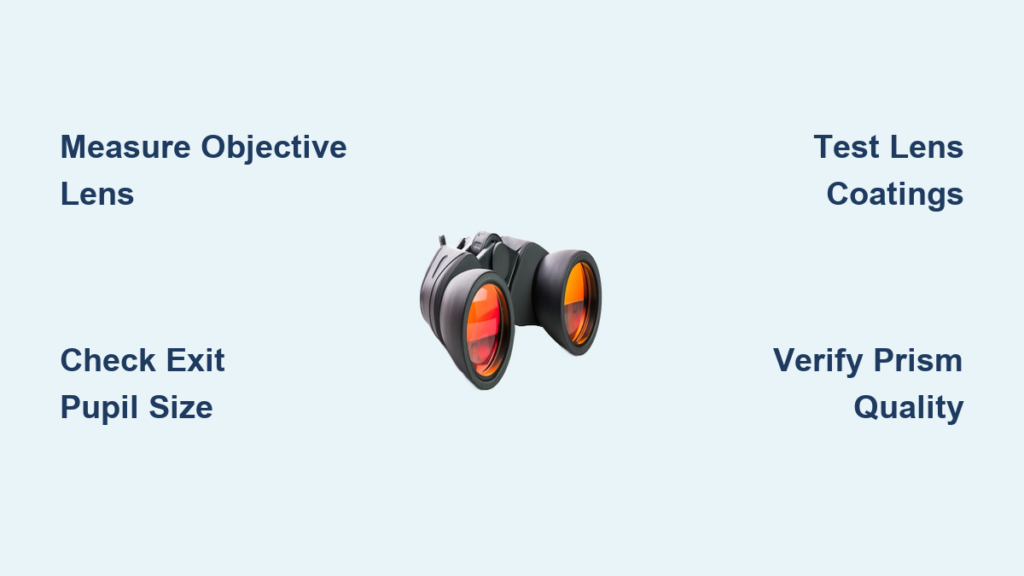
Know the Key Specs
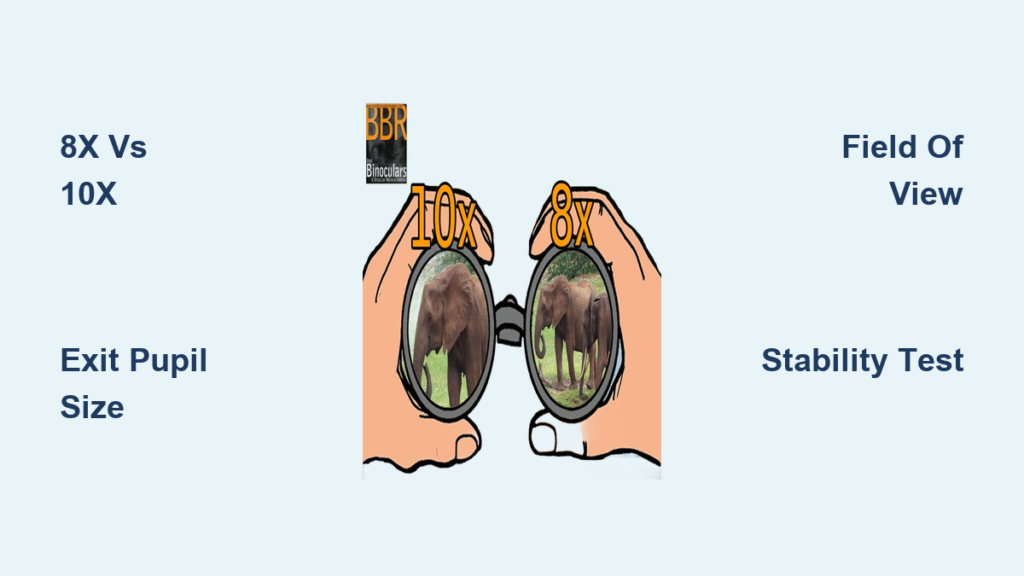
- 8x–12x magnification: Best for general use. 8x gives wider views; 12x shows more detail but needs stabilization.
- 25–30mm objective lens: Compact and daylight-friendly.
- 40–60mm lens: Better in low light—ideal for dawn, dusk, or stargazing.
- Multi-coated lenses: Improve brightness and reduce glare.
- BAK-4 prism: Delivers sharper images and better edge clarity.
Look for Critical Features
- Waterproof (IPX7): Survives rain and humidity.
- Nitrogen-purged: Prevents internal fogging.
- Rubber armor: Protects against drops and improves grip.
- Tripod-ready: Essential for high-magnification or long sessions.
Clean and Maintain Your Monocular
Proper care keeps it working for years.
Clean Lenses the Right Way
- Blow off dust with a bulb blower.
- Wipe gently with a microfiber cloth in circular motions.
- For smudges, apply lens solution to the cloth—never directly on the lens.
Avoid:
– Tissues or paper towels (scratch lenses)
– Shirts or clothing (carry grit)
– Alcohol (unless specified by the manufacturer)
Store It Safely
Always cap both lenses. Store in a protective case with desiccant packets to prevent mold and fog.
Don’t leave it in hot cars or damp basements. Extreme heat warps optics; moisture breeds fungus.
Follow Safety Rules Every Time
Never Look at the Sun
This cannot be overstated. The lens focuses solar energy onto your retina—instant, permanent blindness can result.
Use solar filters only if specifically designed for your model. Otherwise, avoid the sun completely.
Don’t Use While Moving
Never use a monocular while driving, biking, or hiking on unstable ground. You lose peripheral vision and risk tripping or crashing.
Use only when stationary and aware of your surroundings.
A monocular is more than a magnifier—it’s a tool for awareness, discovery, and safety. Whether you’re identifying a rare bird, navigating a ridge, or surviving in the wild, proper use makes all the difference. Practice the basics, respect the limits, and let your monocular bring the distant world into clear view.