Losing vision in one eye doesn’t mean giving up the freedom to drive. Across the U.S., thousands of individuals with monocular vision—sight in only one eye—navigate roads safely every day. While the loss affects depth perception and creates a blind spot, the brain adapts remarkably well using visual cues, and modern vehicles offer technology that supports safe driving. With proper techniques, vehicle adjustments, and adherence to legal standards, driving with one eye is not only possible—it’s common.
If you’ve recently lost vision or are supporting someone who has, understanding how to adapt behind the wheel is essential. This guide covers everything from state-specific licensing rules and depth perception myths to mirror setup, defensive driving strategies, and emotional resilience. Whether you’re adjusting to new vision limitations or seeking ways to improve confidence, this comprehensive resource offers real-world solutions backed by medical insight and driver experiences.
Legal Requirements by State
All 50 states and Washington, D.C., permit driving with monocular vision as long as visual standards are met. The most common requirement is 20/40 corrected vision in the seeing eye, though some states accept 20/50 or even 20/70 under specific conditions. No federal ban exists, but regulations vary significantly by state, so checking your local DMV guidelines is critical.
Vision and Field Standards
Each state evaluates two key factors:
– Visual acuity: Must meet minimum clarity, typically tested with corrective lenses.
– Visual field: Usually requires at least 120–140 degrees of horizontal peripheral vision.
Even without binocular vision, drivers can qualify if their remaining eye meets these benchmarks. In cases where an eye has been surgically removed, examiners may assess head-scanning ability during a road test to ensure awareness of the blind side.
Common License Restrictions
To enhance safety, many states impose restrictions:
– Night driving prohibited
– Mandatory use of wide-angle side mirrors
– Daylight-only operation
– Rearview mirror mounted on the blind side
– Requirement for convex blind spot mirrors
In Indiana, for example, drivers with low acuity may use bioptic telescopes—small magnifying lenses mounted on glasses—after completing over 30 hours of professional behind-the-wheel training.
Reporting and Documentation
You’re not automatically required to reapply for a license after vision loss unless your acuity drops below legal limits. However:
– Your eye doctor may recommend reporting changes
– The DMV might request a physician’s statement
– Renewals could require updated eye exams
Always carry a signed letter from your ophthalmologist confirming your fitness to drive. Police officers can ask for it during traffic stops, and having documentation streamlines any questions about your license status.
Depth Perception Myths and Reality
A widespread myth is that monocular drivers cannot judge distances. This is false. While stereoscopic vision (depth from two eyes) is lost, the brain compensates using monocular depth cues—visual signals that allow accurate distance estimation.
How Monocular Depth Cues Work
These natural cues include:
– Motion parallax: Objects closer to you move faster across your field when you turn your head.
– Relative size: Known objects (like cars) appear smaller when farther away.
– Occlusion: When one object blocks another, it’s clearly in front.
– Linear perspective: Parallel lines (like road lanes) converge with distance.
– Shading and shadows: Reveal three-dimensional shape and position.
– Texture gradient: Surfaces look denser and finer as they recede into the distance.
These cues are most effective beyond 20 feet, which aligns perfectly with typical driving decision zones—such as judging gaps at intersections or maintaining distance on highways.
Close-Range Challenges
Within 6 meters (20 feet), depth judgment weakens. This impacts:
– Parallel parking
– Backing into tight spaces
– Judging merge distances
– Lane changes near adjacent vehicles
Adults who lose vision later in life often struggle more than those born with monocular vision. Children adapt earlier, developing strong scanning habits that support lifelong driving safety.
Peripheral Vision Loss and Compensation
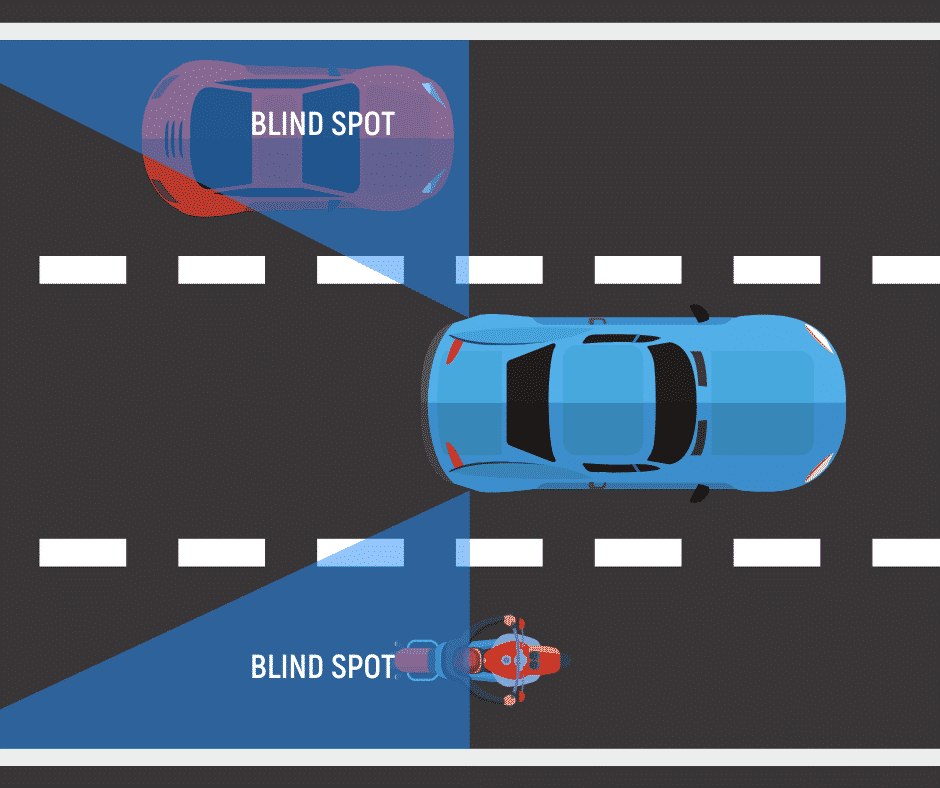
Losing one eye creates a 20–40 degree blind spot on the affected side, blocked by the nose and eye socket. This reduces awareness of vehicles, cyclists, or pedestrians approaching from that direction—especially dangerous during lane changes or turns.
Risks of Reduced Field of View
Common blind-side hazards include:
– Cars merging undetected
– Cyclists in bike lanes
– Pedestrians stepping from behind vehicles
– Emergency vehicles approaching silently
Fatigue, glare, rain, or night conditions worsen these risks.
Effective Scanning Techniques
Compensation requires deliberate, full-body checks:
– Turn your head fully—don’t just glance.
– Rotate your torso to see past the A-pillar.
– Check mirrors before signaling.
– Scan rhythmically, not just when maneuvering.
One driver reported needing to look over their shoulder every 10 seconds initially, building muscle memory through repetition.
Best Vehicles for Monocular Drivers
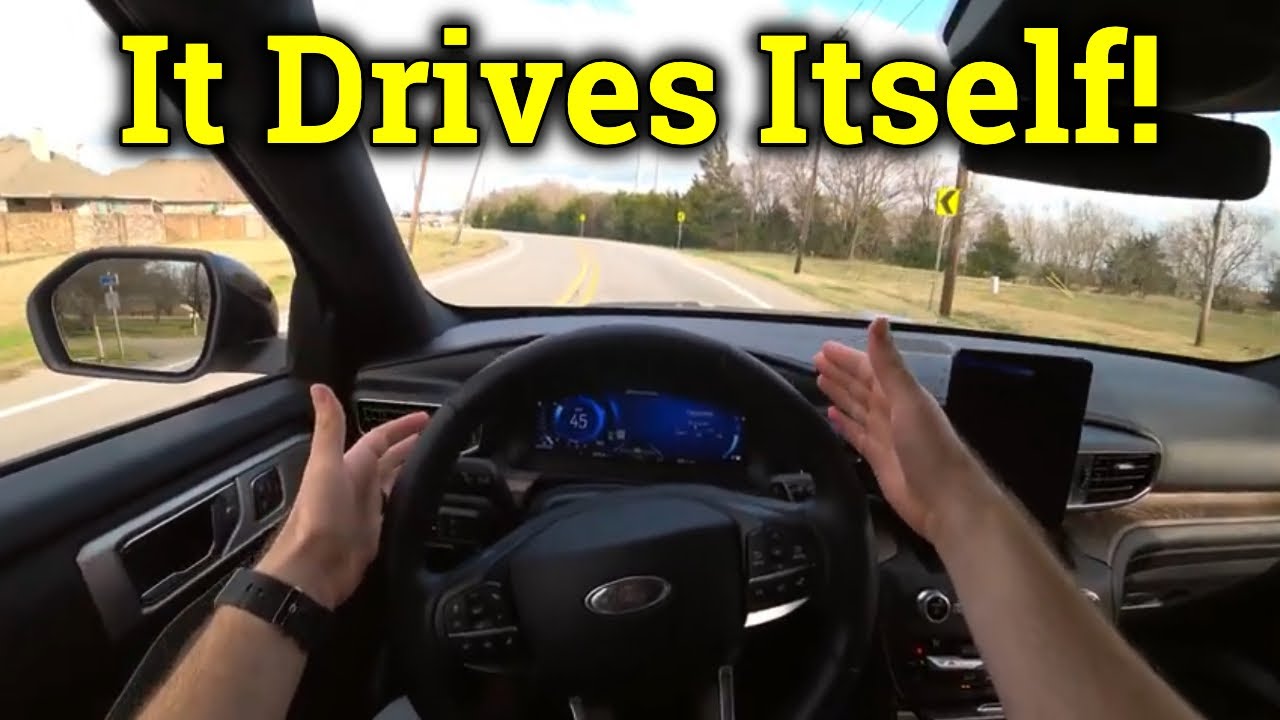
Vehicle choice directly affects safety. Smaller cars often limit visibility, while larger models enhance spatial awareness.
SUVs and Trucks: Top Choices
SUVs, trucks, and minivans offer:
– Higher seating position for better road view
– Wider windows with fewer obstructions
– Improved curb visibility
– Better mirror coverage
Models like the Ford Explorer, Jeep Cherokee, or Honda Pilot are frequently recommended due to open sightlines and minimal blind spots.
Avoiding Poor Visibility Designs
Compact cars and coupes often have:
– Thick A-pillars that block forward corners
– Small rear windows limiting backup views
– Low seating that reduces horizon line
Test drive any vehicle using parking, reversing, and lane-change drills before buying.
Mirror Adjustments for Maximum Coverage
Proper mirror setup reduces reliance on head turns. Small tweaks make a big difference.
Side Mirror Optimization
Tilt both side mirrors slightly downward:
– See lane markings and curbs clearly
– Detect vehicles entering your lane earlier
– Prevent drifting by aligning reference points
One driver aligns the left lane line with the registration sticker on the driver’s window to stay centered.
Adding Supplementary Mirrors
Install:
– Wide-angle “fish-eye” blind spot mirrors on side mirrors
– Panoramic interior rearview mirrors for full backseat view
– Convex mirrors mounted near side windows
These expand coverage without constant head movement.
Head and Body Scanning Habits
Mirrors help, but physical scanning is non-negotiable. Relying only on eyes increases crash risk.
Full Head Turns Are Essential
Before changing lanes:
– Turn head fully toward blind side
– Rotate shoulders if needed
– Hold position for 1–2 seconds to register movement
Don’t trust peripheral vision alone—turn until you see the threat.
Building Scanning Into Muscle Memory
Practice scanning:
– Every time you brake
– Before turning
– When stopped at lights
– After merging
Aim to scan every 8–10 seconds during city driving.
Defensive Driving Strategies
Monocular drivers must drive more defensively. Small adjustments reduce risk dramatically.
Increase Following Distance
Keep 4–5 seconds behind the car ahead (instead of 2–3). This gives extra time to react, especially when depth cues are unclear.
Limit Night and Bad Weather Driving
Low light worsens depth and contrast issues. If you drive at night:
– Clean windshield and glasses to cut glare
– Dim dashboard lights
– Use anti-glare yellow lenses
– Avoid staring at oncoming headlights
Many drivers choose daylight-only driving due to night blindness or light sensitivity.
Choose Safer Routes
Start with:
– Low-traffic residential streets
– Wide roads with clear lane markings
– Few intersections and tight turns
Gradually progress to highways once confident.
Parking and Low-Speed Maneuvers
Parallel and reverse parking are the hardest tasks. Technology and technique make them manageable.
Use Backup Cameras and Sensors
These tools are critical:
– Backup camera: Shows real-time distance to obstacles
– Parking sensors: Beep faster as you near objects
– Surround-view systems: Provide 360-degree feed
One driver installed a side camera that activates with the turn signal, showing blind-side traffic.
Practice in Empty Lots
Before attempting real parking:
– Find an empty lot
– Set up cones or boxes
– Practice forward, reverse, and parallel parking
– Ask a passenger for feedback
Repeat until movements feel automatic.
Adaptive Technology and Safety Features
Modern ADAS (Advanced Driver Assistance Systems) act as a second set of eyes.
Key Systems for Monocular Drivers
| Feature | Benefit |
|---|---|
| Blind Spot Detection (BSD) | Alerts when cars enter blind zone |
| Lane Departure Warning (LDW) | Warns if drifting out of lane |
| Rear Cross-Traffic Alert (RCTA) | Detects vehicles when backing |
| Automatic Emergency Braking (AEB) | Stops car if collision is imminent |
These do not replace scanning—they back it up.
Custom Tech Upgrades
Some drivers add:
– Aftermarket side cameras
– Dashboard-mounted convex mirrors
– Audible blind spot alerts
Use tech as a safety net, not a crutch.
Night Driving: Risks and Solutions
Night driving is harder due to reduced contrast, glare, and fatigue.
Common Night Vision Issues
Drivers with:
– Fuchs’ Dystrophy (halos around lights)
– Cataracts (blurred, scattered vision)
– Retinoblastoma history (light sensitivity)
…often avoid night driving entirely.
Practical Night Driving Tips
- Wear anti-glare glasses (yellow-tinted, non-prescription or Rx)
- Clean lenses and windshield inside and out
- Adjust rearview mirror to night mode
- Look slightly left of oncoming headlights
- Avoid high-beam areas on wet roads
If discomfort persists, limit driving to daylight.
Training and Confidence Building
Skill comes from practice. Many monocular drivers start slow and build confidence over time.
Gradual Exposure Plan
Follow this progression:
1. Empty parking lot (10–15 minutes)
2. Quiet residential streets
3. Main roads with traffic lights
4. Highways with entrance ramps
5. Night driving (if comfortable)
Set small goals: “Today I’ll make three left turns.”
Professional Driving Rehabilitation
Certified specialists offer:
– On-road evaluations
– Customized training plans
– Mirror and seating adjustments
– Scanning drills
In Indiana, bioptic drivers complete 30+ hours of structured training before licensing.
Emotional Challenges and Coping
Fear is common, especially after recent vision loss. Anxiety doesn’t mean you can’t drive—it means you’re being cautious.
Common Fears
- “I’ll drift into traffic.”
- “I’ll miss a car in my blind spot.”
- “People will judge me.”
- “I’ll cause an accident.”
These fears are normal but shouldn’t stop you from trying.
Building Confidence
- Start with a trusted passenger
- Celebrate small wins (e.g., first solo drive)
- Join online communities (e.g., Reddit’s r/monocular)
- Talk to others who drive successfully
One 19-year-old shared he’d only driven 10 times in three years—until community advice pushed him to practice weekly.
Protecting Your Remaining Eye
Your one eye is irreplaceable. Protect it like your license depends on it—because it does.
Annual Eye Exams Are Critical
Monitor for:
– Glaucoma
– Macular degeneration
– Cataracts
– Diabetic retinopathy
Early detection prevents vision loss.
Wear Protective Eyewear
Use safety glasses during:
– Sports (racquetball, basketball)
– DIY projects
– Gardening
– Chemical handling
Even minor injuries can jeopardize driving eligibility.
Real Drivers, Real Success Stories
Thousands drive safely with one eye. Their stories prove it’s possible.
- A woman has driven over 30 years with monocular vision.
- A man lost an eye as an infant but chose public transit—showing personal comfort matters.
- A truck driver with an artificial eye fought for and got his CDL.
- A 15-year-old with retinoblastoma is being trained by a former police officer uncle who drills head movement and scanning daily.
- The FAA has licensed over 3,400 one-eyed pilots—proof that high-visual tasks are achievable.
Driving with monocular vision is safe, legal, and within reach. Success isn’t about perfect sight—it’s about awareness, adaptation, and action. Use the right vehicle, master scanning, leverage technology, and practice consistently. With preparation, you can stay independent, mobile, and confident behind the wheel.