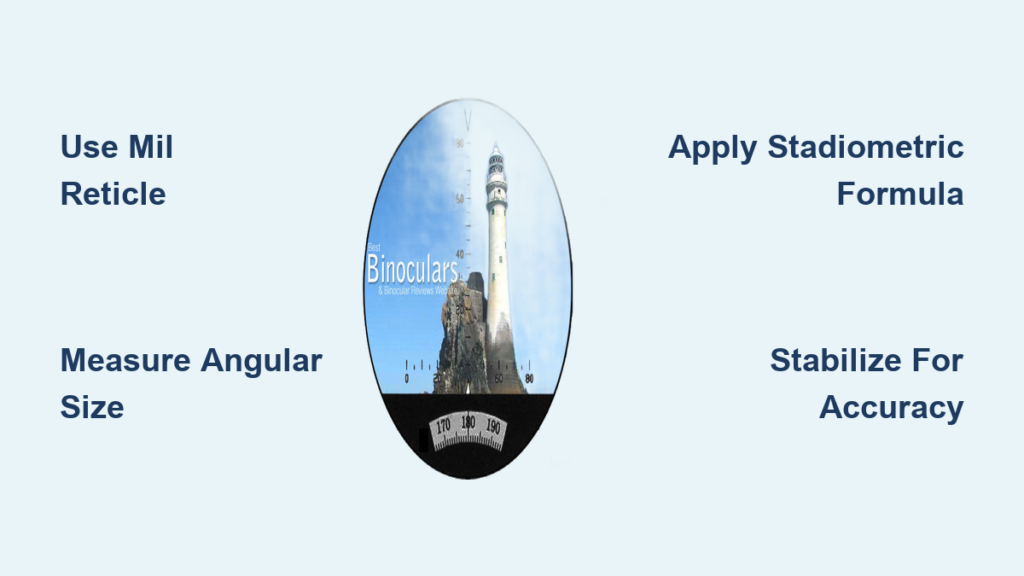
You’ve probably stood in a store holding two pairs of binoculars labeled “8×42” and “10×50,” wondering why one feels dramatically different from the other despite similar numbers. That first number—the magnification—is the most misunderstood specification in optics, yet it determines whether your birdwatching trip becomes frustrating or fantastic. Most shoppers default to higher magnification, thinking “bigger is better,” only to discover later that their 12x binoculars deliver shaky, narrow views that ruin the experience. Understanding binocular magnification isn’t about memorizing numbers—it’s about matching optical physics to your real-world needs, whether you’re scanning cliffs for eagles, watching a football game from the nosebleeds, or trying to read the conductor’s expression at an outdoor concert.
The truth is, magnification represents a delicate balance between power and practicality. An 8x binocular brings objects 8 times closer than your naked eye, while 10x makes them appear 10 times nearer—but that extra 2x often comes with trade-offs that most beginners never anticipate. What looks impressive in a store display can become unusable in the field if you don’t understand how magnification interacts with stability, light conditions, and your specific activity. This guide cuts through the marketing hype to give you actionable knowledge that transforms how you select and use binoculars, ensuring you never again waste money on optics that don’t match your real-world requirements.
Decoding 8×42 vs 10×50: What Binocular Numbers Actually Mean
When you see “8×42” printed on binoculars, that first number (8x) represents magnification power, while the second (42) indicates the diameter in millimeters of the objective lenses at the front. These two numbers work together to determine what you’ll actually see through the eyepiece. Magnification tells you how many times closer an object appears compared to viewing it with your naked eye. With 8x binoculars, a bird 80 yards away appears as if it’s only 10 yards away. With 10x binoculars, that same bird would seem just 8 yards distant.
Why Magnification Isn’t Just About Getting Closer
Magnification creates a critical chain reaction affecting every aspect of your viewing experience:
– Field of view narrows as magnification increases (a 12x model might show only half the landscape visible through 8x optics)
– Handshake becomes dramatically amplified (a slight tremor invisible at 8x turns into severe image jump at 12x)
– Low-light performance changes as magnification interacts with lens size
– Weight and bulk typically increase to accommodate higher-power optics
How Objective Lens Size Works With Magnification
The second number (like the 42 in 8×42) determines light-gathering capability, but its effectiveness depends entirely on the magnification. Larger objective lenses collect more light, but higher magnification spreads that light over a larger apparent image. This is why compact 10×25 binoculars often deliver dimmer views than full-sized 8×42 models despite having higher magnification—the smaller lenses can’t gather enough light to compensate for the increased power.
Why 12x Binoculars Create Shaky Views and Narrow Fields
High-magnification binoculars (12x and above) promise incredible detail but deliver significant practical challenges that make them unsuitable for most handheld applications. The physics of optics means that every tiny hand movement gets multiplied by the magnification factor. What feels like a barely perceptible tremor in your hands becomes violent image shake through 12x optics—like trying to keep a laser pointer steady on a target 100 yards away while riding a motorcycle.
The Field of View Penalty at High Magnification
As magnification increases, your visible area shrinks dramatically:
– 8x binoculars typically offer 350-400 feet of field width at 1,000 yards
– 10x models narrow this to 300-350 feet
– 12x optics often restrict you to just 200-250 feet
This “tunnel vision” effect makes tracking moving subjects like birds in flight incredibly difficult. Imagine trying to follow a sparrow hopping between branches while looking through a drinking straw versus a picture window—that’s the difference high magnification creates.
When High Magnification Actually Works
You can successfully use 12x+ binoculars only in specific scenarios:
– Mounted on a tripod for astronomy or stationary wildlife observation
– When braced against solid support like a tree or vehicle
– In extremely calm conditions with no wind affecting stability
– For viewing stationary subjects at extreme distances
8x vs 10x Binoculars: Which Delivers the Perfect Balance for Wildlife Viewing
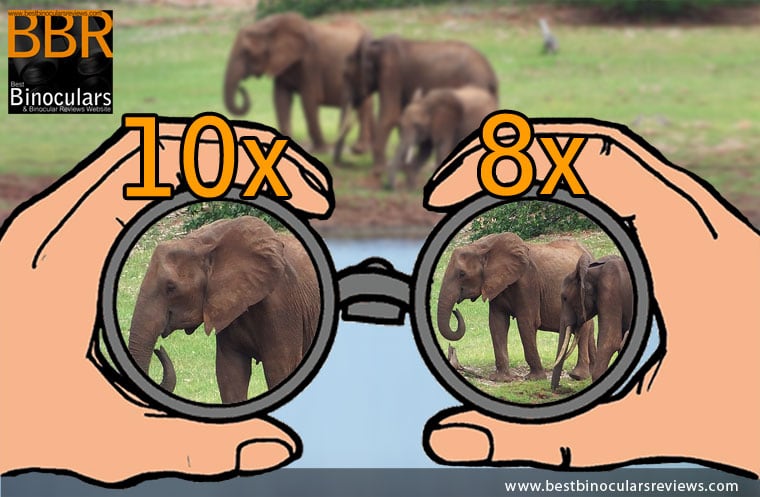
For most outdoor enthusiasts, 8x and 10x binoculars represent the sweet spot between power and practicality. These magnifications provide significant image enlargement while remaining comfortably handheld for extended periods. The difference between them seems small on paper but creates noticeably different field experiences that match specific activities better than others.
8x Binoculars: The Birding Essential for Active Subjects
8x magnification delivers distinct advantages for certain viewing scenarios:
– Wider field of view (typically 380+ feet at 1,000 yards) makes tracking fast-moving birds effortless
– Superior stability allows clear viewing even with slight hand tremors
– Brighter image in low-light conditions due to favorable exit pupil calculation
– Lighter weight for all-day comfort during hikes and extended observation
Birders working in dense forests or tracking warblers through canopy foliage consistently prefer 8x power because the wider field lets them keep subjects in view as they move erratically through complex backgrounds.
10x Binoculars: The Detail Hunter’s Advantage
10x magnification provides specific benefits when you need extra reach:
– 25% closer apparent distance than 8x models for identifying fine field marks
– Better resolution of distant subjects like waterfowl on lakes or raptors on cliffs
– Sufficient stability for most users when properly braced against support
Serious birders often choose 10x binoculars for open habitats like beaches, marshes, or grasslands where subjects move more predictably and greater detail identification matters most.
Calculate Your Exit Pupil: The Hidden Key to Brighter Low-Light Views
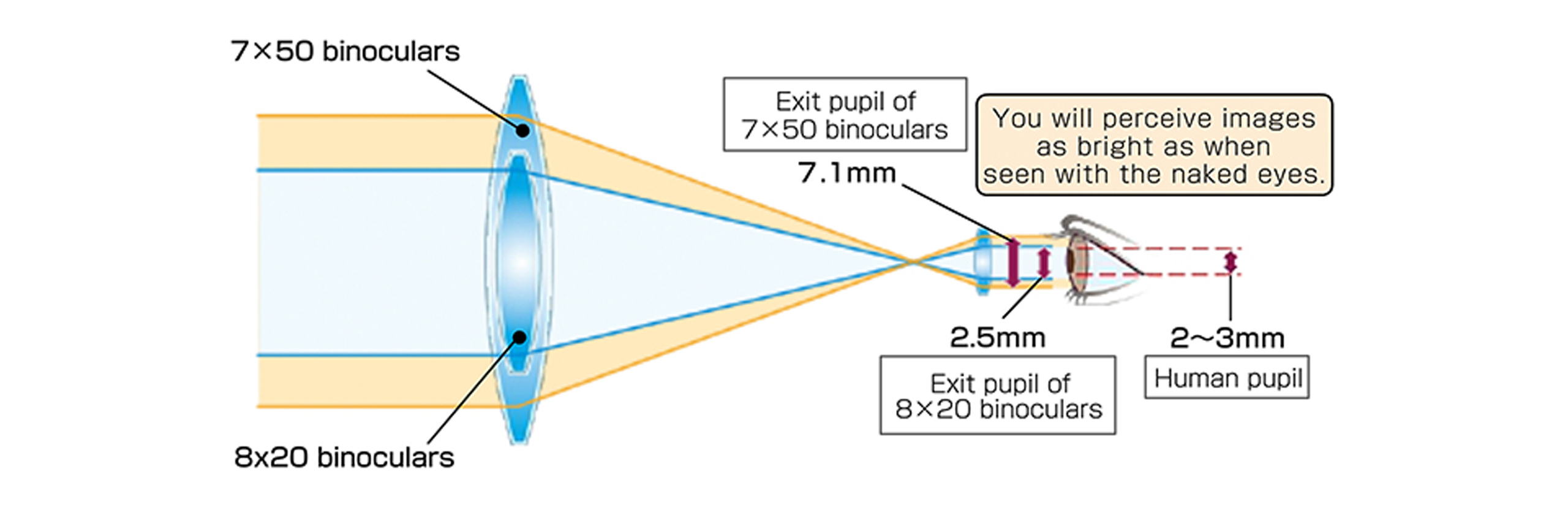
Your binocular’s exit pupil—the small circle of light visible in the eyepiece when held at arm’s length—determines real-world brightness more than magnification alone. This critical specification reveals how well your binoculars will perform at dawn, dusk, or in heavily shaded forests where light is limited.
How to Calculate and Use Exit Pupil Measurements
Exit pupil = Objective lens diameter ÷ Magnification
For common binocular specifications:
– 8×42 = 5.25mm exit pupil (excellent for low light)
– 10×42 = 4.2mm exit pupil (good for most conditions)
– 10×25 = 2.5mm exit pupil (poor for low light)
Why Exit Pupil Size Matters More Than You Think
Your eye’s pupil dilates to different sizes in varying light:
– Daylight: 2-3mm pupil size
– Twilight: 5-6mm pupil size
– Full darkness: 7mm maximum
When your binocular’s exit pupil exceeds your eye’s pupil size (like a 5.25mm exit pupil at noon), you waste light. When it’s smaller (like 2.5mm at dusk), your view becomes frustratingly dim. This is why compact 10×25 binoculars work fine at baseball games but fail miserably for dawn birding.
Match Your Activity: Selecting Binocular Power for Concerts, Birding, and Hiking
Your specific activity should dictate magnification choice—not marketing claims or what your friend uses. Different scenarios create unique optical demands that make certain magnifications dramatically more effective than others.
Concert and Theater Viewing: Why 7x-8x Outperforms Higher Powers
For indoor venues with relatively close subjects:
– Higher magnification (10x+) magnifies hand shake against stationary stages
– Narrower field makes it harder to follow performers moving across stage
– Lower power provides brighter images in dimly lit venues
– 7x-8x offers the ideal balance of detail and stability from theater seats
Marine and Boating Applications: Stability Trumps Raw Power
On moving water, every factor that affects stability matters exponentially:
– 7x binoculars provide noticeably steadier views than 10x on a rocking boat
– Waterproof 8×32 models offer the best compromise for handheld marine use
– Image-stabilized 10x or 12x binoculars become worth the investment for serious offshore use
Hiking and Backpacking: Prioritize Weight and Field of View
When every ounce counts on the trail:
– Compact 8×25 binoculars weigh under 1 pound but sacrifice low-light performance
– Mid-sized 8×32 models provide the best balance of brightness and portability
– Avoid 10x+ models for hiking—they’re heavier and harder to stabilize when fatigued
Field-Tested Methods to Determine Your Ideal Binocular Magnification
Don’t rely on specs alone—use these practical techniques to identify your personal magnification sweet spot before purchasing.
The 100-Yard Stability Test
Find a detailed target (like a sign with small text) approximately 100 yards away:
1. View through 8x binoculars while holding normally
2. Note how steadily you can maintain the image
3. Repeat with 10x binoculars
4. If the 10x view shakes noticeably more, 8x is likely your maximum comfortable power
The Dim Light Comparison
Test binoculars during twilight hours:
1. Point both models at the same distant subject
2. Note which provides a brighter, clearer image
3. Calculate exit pupils to understand why one performs better
4. Choose the model that delivers usable views during your typical observation times
The Field of View Reality Check
In a natural setting with moving subjects:
1. Try tracking a bird or squirrel through both magnifications
2. Note which allows easier subject acquisition and tracking
3. Higher magnification often forces constant readjustment as subjects move
Why 8x Binoculars Are the Hidden Champion for Most Outdoor Activities
While 10x models get more marketing attention, 8x binoculars deliver superior real-world performance for the majority of users and situations. The slightly lower magnification creates cascading benefits that make them the preferred choice among experienced birders and outdoor professionals.
The Stability Advantage That Changes Everything
With 8x binoculars:
– You can maintain clear views for longer periods without eye strain
– Hand tremors become negligible rather than image-destroying
– You’ll actually use your binoculars more often because they’re comfortable
– Critical identification details remain visible without constant refocusing
When to Upgrade to 10x Power
Consider 10x binoculars only if:
– You primarily observe in open habitats with predictable subject movement
– You have exceptionally steady hands or plan to use support frequently
– Identifying fine details at distance is your absolute priority
– You’ve tested and confirmed you can comfortably handle the narrower field
The truth is, most people overestimate how much magnification they need. That extra 2x power rarely delivers proportionally better views but consistently creates new problems with stability and field width. By understanding these dynamics, you’ll select binoculars that enhance your experience rather than frustrate it—turning casual observation into memorable moments where the optics disappear and only the experience remains.