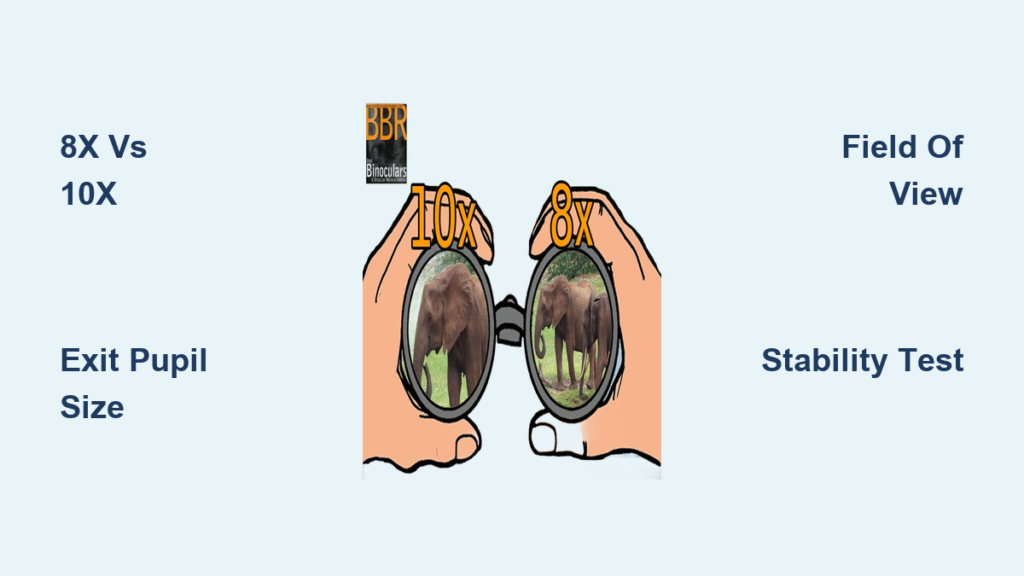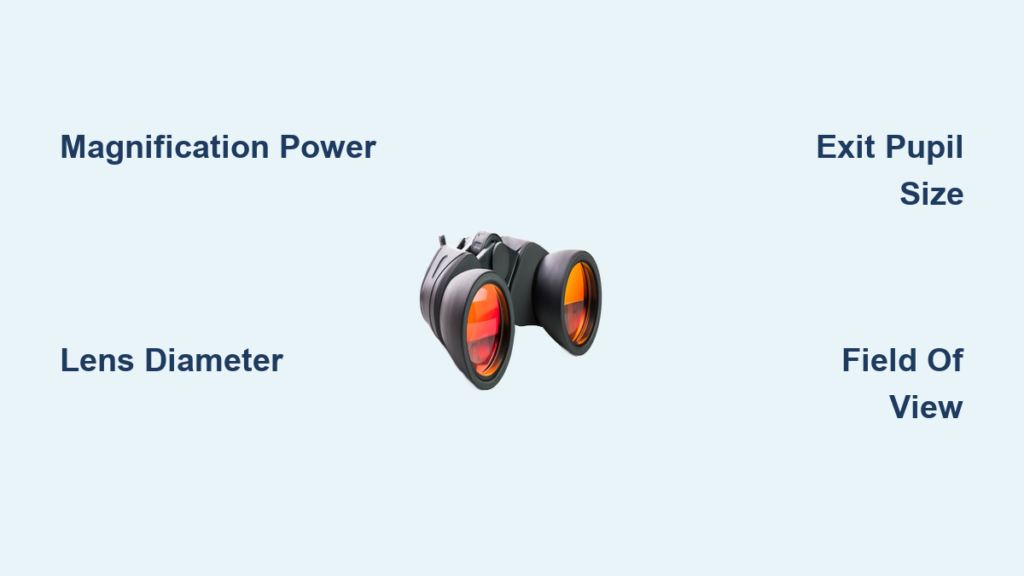
You’ve just inherited a pair of vintage binoculars with no markings, or maybe you’re comparing models online and feel overwhelmed by technical jargon. When people ask how to measure binocular strength, they typically fixate on magnification alone—like assuming a car’s power is only about horsepower. But real optical strength combines magnification, light-gathering ability, and image quality. A poorly made 12×50 might deliver a dimmer, shakier view than a quality 8×42. This guide reveals exactly how to measure the true strength of any binoculars—using simple tools you already own—and avoid the critical mistake 90% of buyers make when judging performance.
Forget confusing specs sheets. By the end of this article, you’ll confidently calculate magnification for unmarked binoculars, verify low-light capability in under 60 seconds, and spot optical weaknesses that render high “numbers” meaningless. Whether you’re a birdwatcher, hunter, or traveler, these field-tested methods transform guesswork into precision. Let’s dive into the actual measurements that define binocular strength where it counts: in your hands and eyes.
Calculate True Magnification for Unmarked Binoculars

If your binoculars lack model numbers (common with vintage or refurbished units), magnification isn’t guesswork—it’s basic math. This method works for any unmarked binoculars and takes under two minutes with a ruler.
Measure Objective Lens Diameter First
Start with the front lenses: Use a ruler or digital caliper to measure the clear glass diameter (excluding the frame) in millimeters. For example, if your measurement reads 42mm, this is your objective lens size—the critical factor for light intake. Larger lenses (42mm+) gather more light but add weight; compact models (25-32mm) sacrifice low-light performance for portability. Always measure both sides; inconsistencies indicate misalignment or damage.
Pinpoint Exit Pupil Size for Accuracy
Hold binoculars at arm’s length toward a bright wall or cloudy sky (never the sun). Look at the eyepieces—you’ll see a small, bright circle of light floating in each. This is the exit pupil, the beam of light entering your eye. Measure its diameter with a ruler: Place millimeter markings flush against the eyepiece and note the width. For precision, use digital calipers—most smartphone camera apps have built-in measurement tools. A crisp, round exit pupil indicates quality optics; an oval shape suggests prism misalignment.
Apply the Magnification Formula Instantly
Divide your objective lens measurement by the exit pupil size: Magnification = Objective Lens ÷ Exit Pupil. If you measured 42mm objective lenses and a 5.25mm exit pupil, 42 ÷ 5.25 = 8x. You now know these are 8×42 binoculars. This method beats “visual comparison” tricks (like holding binoculars side-by-side with marked pairs), which introduce human error. Pro tip: If your calculation gives 7.8x or 8.2x, round to the nearest standard magnification (8x)—manufacturers don’t produce fractional specs.
Verify Low-Light Performance with Exit Pupil Testing
A high magnification number means nothing if your binoculars drown in dim conditions. Exit pupil size—directly tied to “strength” in dawn/dusk scenarios—determines real-world usability.
Why 4mm+ Exit Pupils Dominate Low Light
Your eye’s pupil dilates to 5-7mm in darkness. If the binocular’s exit pupil is smaller (e.g., 3mm), precious light is wasted. Calculate yours: Exit Pupil = Objective Lens ÷ Magnification. For 8×42 binoculars, 42 ÷ 8 = 5.25mm—ideal for twilight. Below 4mm (like 10×50’s 5mm), performance plummets. Test this at dusk: Hold binoculars steadily while viewing distant trees. If the image appears grainy or tunnel-visioned, your exit pupil is too small for the conditions.
Glasses Wearers: Adjust for Critical Eye Relief
If you wear eyeglasses, twist down the eyecups and remeasure the exit pupil. If it shrinks below 4mm (e.g., from 5.25mm to 3.8mm), you’ll lose brightness and field of view. Quality binoculars maintain ≥15mm eye relief—the distance your eye must be from the eyepiece to see the full image. Check yours by slowly pulling the binoculars away from your eyes until the view “clips” at the edges. Shorter distances mean headaches during extended use.
Decode Optical Quality Hiding Behind the Numbers

A 10×50 label promises nothing about clarity. True “strength” lives in coatings and prisms—features you can verify without tools.
Identify Lens Coating Quality in Seconds
Hold binoculars toward a light source. Look at reflections on the objective lenses:
– Single-layer coating: Bluish or greenish tint (economy models)
– Fully multi-coated (FMC): Multiple rainbow hues across all lens surfaces (premium standard)
Avoid units with bright white reflections—they lack anti-reflective coatings, wasting 50%+ of incoming light. FMC optics transmit 90%+ of light, making images brighter and sharper even at identical magnifications.
Spot Phase-Corrected Roof Prisms (Non-Negotiable for Clarity)
Most modern binoculars use roof prisms (straight-barrel design). Without phase correction coating, light waves scatter, causing blurry edges. Test yours: Focus on high-contrast lines (like window frames). If details soften toward the periphery, prisms lack phase correction. Porro prism binoculars (offset barrels) avoid this issue but are bulkier. Always confirm prism type before buying—roof prisms must have “PC” or “phase-corrected” in specs.
Field-Test Real-World Strength in Under 15 Minutes
Numbers on paper lie. Validate performance with these practical checks:
Execute the 200-Yard Sharpness Drill
Find a target 200 yards away (a sign, fence post, or tree branch). Focus your binoculars and scan edge-to-edge:
– Premium optics: Crisp detail across the entire field
– Budget models: Sharp center but blurry edges
Higher-end BaK-4 glass prisms maintain edge clarity; cheaper BK-7 glass causes “vignetting” (darkened corners). If text on signs appears doubled or fringed with color (chromatic aberration), avoid these binoculars—they strain eyes rapidly.
Conduct the Waterproofing Stress Test
Submerge binoculars in 3 feet of water for 5 minutes (if specs claim IPX7+ rating). Check for internal fogging afterward—true nitrogen-purged units resist moisture instantly. Also, operate the focus wheel underwater; gritty resistance indicates poor sealing. Waterproofing isn’t just for rain; humidity destroys unsealed optics over time.
Avoid These 3 Critical Measurement Mistakes
Even experienced users misjudge strength through avoidable errors.
Never Trust Visual Comparison Magnification Tests
Holding unknown binoculars alongside marked pairs seems logical—but human vision compensates for differences, yielding false readings. One study showed testers overestimated magnification by 25% using this method. Stick to the exit pupil formula for accuracy.
Skip FOV Guesswork—Use the Tape Measure Hack
Field of view (FOV) specs (e.g., “341ft/1000yds”) are often inflated. Verify it: At 100 yards, stretch a 100-foot tape measure horizontally. Look through binoculars and note how much fits in your view. If specs claim 341ft FOV but you only see 250ft, magnification is likely overstated. Wide FOV (≥367ft) is crucial for tracking birds or sports.
Ignore Close Focus Claims Without Testing
“Close focus” (minimum focusing distance) matters for insect photographers. But manufacturers sometimes list theoretical limits. Test yours: Hold binoculars against your palm. If you can’t focus clearly under 8 feet, it’s useless for close subjects—despite specs claiming “5-foot close focus.”
Final Diagnostic: The 5-Step Binocular Strength Checklist
When evaluating any binoculars, run this sequence:
1. Calculate magnification using objective lens ÷ exit pupil
2. Confirm exit pupil ≥4mm for usable low-light performance
3. Check for FMC lenses via reflection colors
4. Verify phase-corrected roof prisms with edge sharpness test
5. Stress-test waterproofing by submerging briefly
True binocular strength isn’t about chasing big numbers—it’s about matching measured capabilities to your needs. A well-calculated 8×32 often outperforms a poorly built 12×50 for hiking, while astronomy demands the 7mm exit pupil of 7x50s. By measuring these factors yourself, you bypass marketing fluff and invest in optical performance that delivers where it counts: in your hands, at dawn, when every detail matters. Now grab those binoculars and put these steps to work—you’ve just gained the edge most enthusiasts never discover.