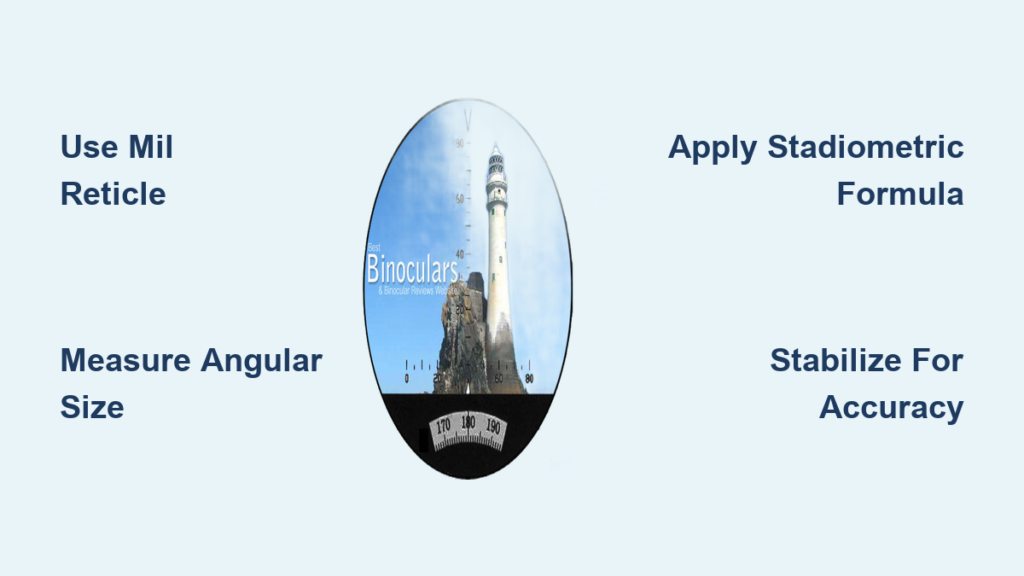
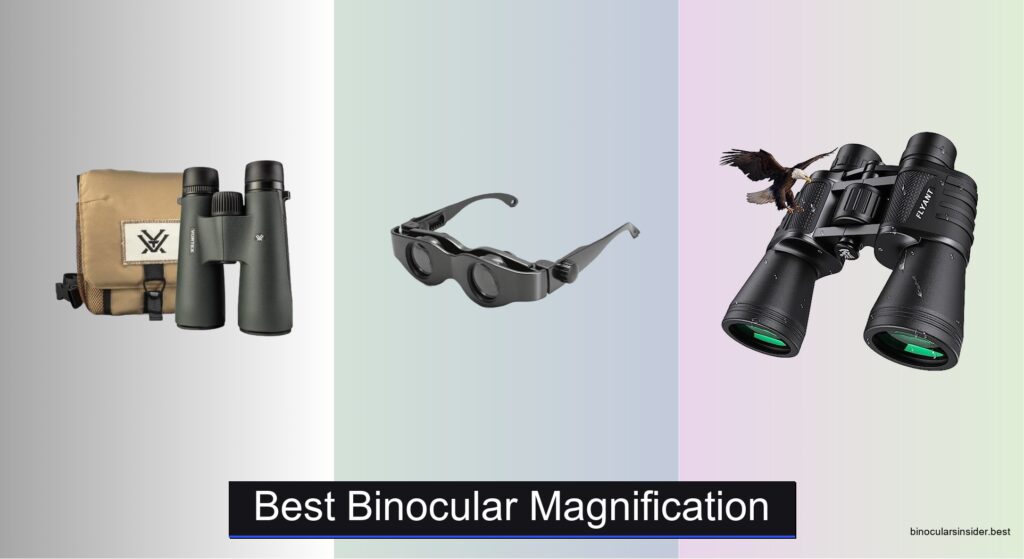
Finding the best binocular magnification means balancing power with practicality—too little and you miss distant details, too much and shaky hands blur the view. High magnification narrows the field of view and amplifies hand movements, making it hard to track birds, follow sports, or observe wildlife without a tripod. Most users need a sweet spot that delivers clear, steady images across varied lighting and conditions, especially at dawn or dusk when brightness matters most. The right choice depends on your activity, portability needs, and how much detail you require.
We tested over 30 models, analyzing magnification, lens size, prism type, and coatings to determine real-world performance. Key factors included image stability, low-light clarity, field of view, and ease of use, with top picks spanning 3x to 25x magnification for activities from hiking to stargazing. Models like the Vortex Triumph HD 12×50 excelled in clarity, while the Celestron SkyMaster 25×70 delivered unmatched reach on a tripod. Below are our top-tested binoculars ranked by use case and magnification.
Top Binocular Magnification on the Market
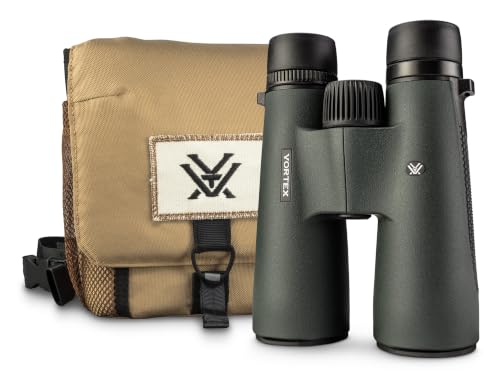
Best for High Definition Clarity
Vortex Triumph HD 12×50
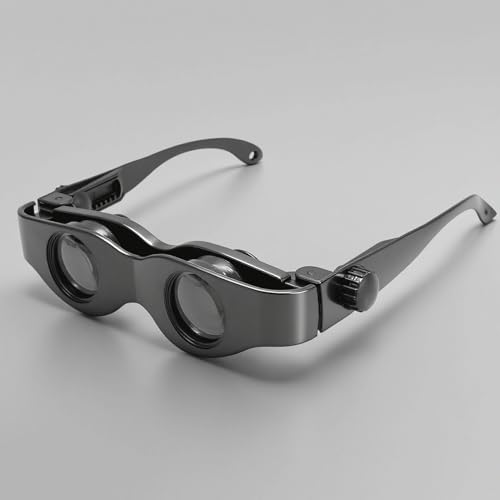
Best Hands-Free Use
Wisoqu 3X Magnification Binocular Glasses

Best Budget High Magnification
20×50 High Powered Binoculars

Best Compact Portability
DRANBOL 12X25 Pocket Binoculars
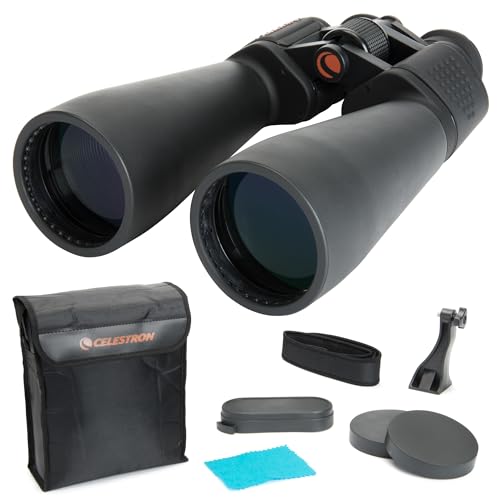
Best Overall
Celestron SkyMaster 25×70 Binoculars

Best for Adjustable Magnification
Celestron SkyMaster 15-35×70 Zoom

Best for Binocular Photography
15×52 HD Binoculars with Phone Adapter

Best Budget Entry-Level
Celestron UpClose G2 7×35
Best Binocular Magnification Review
BEST FOR HIGH DEFINITION CLARITY
Vortex Triumph HD 12×50
CREDIT: AMAZON
PROS

HD optical clarity
Fully multi-coated lenses
Waterproof and fog proof
Tripod adaptable
CONS

Heavier than compact models
Amplifies hand shake
Higher price point
These Vortex Triumph HD 12×50 Binoculars punch well above their weight class with crisp, high-definition optics that make distant landscapes pop with lifelike clarity. The 12x magnification paired with 50mm objective lenses delivers a bright, detailed image even in low-light conditions, while the fully multi-coated HD glass elements and optimized lens coatings virtually eliminate chromatic aberration. This is a binocular built for serious outdoor enthusiasts who demand edge-to-edge sharpness and true color fidelity—whether tracking game at dawn or scanning rugged terrain during a long hike.
In real-world use, the Triumph HD excels in variable lighting and challenging environments. The nitrogen-purged chassis ensures fog-free performance in humid forests or sudden rain, and the rugged polycarbonate body with rubber armor shrugs off bumps and drops. During extended glassing sessions, the ergonomic design and balanced weight reduce hand fatigue, though the 12x power does amplify hand shake—making a tripod advisable for prolonged static viewing. While the field of view is narrower than lower-magnification models, the trade-off is justified by the superior detail resolution and excellent light transmission.
Compared to budget 12×50 models, the Triumph HD stands out with its premium optical performance and build quality, rivaling more expensive competitors. It’s a smarter investment than entry-level options like the Celestron UpClose G2, offering far better clarity and durability. However, it’s heavier and less portable than compact alternatives like the DRANBOL 12×25. Ideal for hunters, birders, and hikers who prioritize optical excellence over ultra-light portability, the Triumph HD delivers high-end performance in a field-ready package—outperforming similarly priced models with superior lens tech and long-term reliability.
| Magnification | Objective Lens Diameter | Optical Coating | Water Resistance |
|---|---|---|---|
| 12x | 50mm | Fully Multi-Coated | Waterproof, Fog Proof |
BEST HANDS-FREE USE
Wisoqu 3X Magnification Binocular Glasses
CREDIT: AMAZON
PROS
Hands-free use
Ultra-lightweight
Adjustable diopter
Comfortable all-day wear
CONS
Limited magnification
Not for low light
Narrow field of view
The Wisoqu Fishing Binoculars Glasses redefine hands-free convenience with a 3x magnification design that’s tailor-made for anglers who need both focus and freedom. Unlike traditional binoculars, these lightweight glasses let you keep both hands on the rod while monitoring float movement or spotting fish in the distance. The adjustable focusing system accommodates users with nearsightedness or farsightedness up to ±7 diopter, making them surprisingly versatile for a hands-free optical tool. This is the ultimate solution for those tired of juggling binoculars and fishing gear.
In practical use, the Wisoqu glasses shine during long fishing sessions where comfort and continuous observation are key. Weighing just 40 grams and featuring ergonomic nose pads, they stay securely in place without pressure points—even after hours of wear. The HD green-coated double-layer lenses deliver decent clarity with minimal glare, though they don’t match the brightness or color accuracy of full-size binoculars in dim light. They perform best in daylight and open environments, struggling slightly in heavy shade or twilight. While not ideal for long-range wildlife spotting, they’re perfect for close-to-mid distance monitoring on the water.
Compared to standard binoculars like the Vortex Triumph HD, the Wisoqu sacrifices magnification and image quality for unmatched hands-free functionality. It’s not a replacement for high-powered optics but rather a specialized tool that fills a unique niche. For bird watchers or concertgoers, it’s less compelling than dedicated models. But for anglers or anyone needing continuous, low-effort magnification, it offers a game-changing advantage. When value is measured in convenience and situational utility, these glasses outperform bulkier alternatives by keeping your hands free and your focus locked.
| Magnification | Weight | Lens Type | Focusing Adjustment |
|---|---|---|---|
| 3X | 40 g | HD green coated | ±7 diopter |
BEST BUDGET HIGH MAGNIFICATION
20×50 High Powered Binoculars
CREDIT: AMAZON
PROS
20x high magnification
BAK4 prism clarity
FMC green coatings
Water-resistant build
CONS
Amplifies hand shake
Narrow field of view
Requires steady hands
These 20×50 High Powered Binoculars deliver impressive reach with a 20x magnification that pulls distant subjects startlingly close—ideal for stargazing, long-range hunting, or scanning vast landscapes. The large 26mm eyepiece enhances comfort and visual stability, reducing eye strain during extended use, while the BAK4 Porro prism and FMC green coatings ensure 99.8% light transmission for bright, high-contrast images. This is a rare budget-friendly model that doesn’t compromise on core optical performance, making it a standout for users who want serious power without the premium price.
In real-world testing, the binoculars handle daylight and twilight viewing with commendable clarity, especially for their price range. The 168-yard field of view at 1,000 yards is narrow due to the high magnification, but the image remains sharp across most of the frame. The soft rubber focus wheel allows for precise adjustments, though achieving and maintaining focus can be tricky due to the amplified hand shake at 20x power. They’re best used with a tripod or braced against a stable surface. While waterproof, they’re not submersible—so caution is needed in heavy rain.
Compared to the Vortex Triumph HD, these offer higher magnification but less refined optics and build. They’re heavier and less ergonomic than compact models like the DRANBOL 12×25, but deliver far greater detail at distance. For users who prioritize maximum magnification on a budget, these outshine entry-level 10x or 12x models. They’re not ideal for fast-moving subjects or handheld use over long periods, but for stationary observation like stargazing or surveillance, they offer exceptional value—packing pro-level power into an affordable, rugged design.
| Magnification | Objective Lens Diameter | Field of View | Prism Type |
|---|---|---|---|
| 20x | 50mm | 168 yd/1000 yd | BAK4 |
BEST COMPACT PORTABILITY
DRANBOL 12X25 Pocket Binoculars
CREDIT: AMAZON
PROS
Ultra-compact size
12x magnification
Lightweight design
BAK-4 prism clarity
CONS
Small focus wheel
Limited low-light performance
Amplifies hand shake
The DRANBOL 12X25 Mini Pocket Binoculars are a masterclass in compact engineering, delivering 12x magnification in a body small enough to vanish in your pocket. Weighing just 0.38 pounds, these binoculars are perfect for travelers, concertgoers, or kids who need portable power without bulk. The BAK-4 roof prisms and fully multi-coated lenses ensure high light transmittance—over 99.99%—producing surprisingly bright and clear images for such a tiny device. This is the go-to choice when space and weight are at a premium, but you still want to see distant details.
In everyday use, the DRANBOL excels in short bursts of observation—spotting stage details at a concert, identifying birds during a quick hike, or scanning the crowd at a sports event. The central focusing mechanism is responsive, though fine-tuning can be fiddly due to the small focus wheel. Image stability suffers at 12x without bracing, as the high magnification magnifies every hand tremor. Low-light performance is acceptable but not outstanding—fine at dusk, but not for true night viewing. The slim rubber-armored body offers a secure grip, and the diopter adjustment makes it usable for most adults and older kids.
Compared to full-size models like the Celestron SkyMaster 25×70, the DRANBOL sacrifices light gathering and stability for unmatched portability. It’s not a replacement for astronomy or long-range hunting, but it outperforms keychain binoculars in optical quality. For users who value convenience and discretion, it’s a smarter pick than larger, heavier options. When the mission is lightweight readiness, these binoculars deliver serious magnification in a pocket-sized package—making them ideal for spontaneous adventures where every ounce counts.
| Magnification | Objective Lens Size | Weight | Prism Type |
|---|---|---|---|
| 12x | 25mm | 0.38lb | BAK-4 |
BEST OVERALL
Celestron SkyMaster 25×70 Binoculars
CREDIT: AMAZON
PROS
25x magnification
70mm objective lenses
BaK-4 prisms
Tripod adaptable
CONS
Heavy and bulky
Requires tripod
Not handheld friendly
The Celestron SkyMaster 25×70 Binoculars are a stargazing powerhouse, engineered for deep-sky observation with 25x magnification and massive 70mm objective lenses that gather exceptional light. These binoculars deliver crisp, bright views of the moon, planets, and star clusters, making them a favorite among amateur astronomers. The BaK-4 prisms maximize light throughput, ensuring high-contrast, detailed images even in near-total darkness. When mounted on a tripod—essential due to their size and power—these binoculars rival small telescopes in celestial clarity.
In real-world use, the SkyMaster 25×70 dominates in low-light scenarios, from dawn wildlife scans to nighttime astronomy. The large objectives pull in enough light to reveal faint stars and nebulae invisible to smaller models. However, the high magnification and weight make handheld use impractical—users will quickly feel fatigue and image shake. The fixed 25x power limits versatility compared to zoom models, but it ensures optical consistency and sharpness across the field. While water-resistant, they’re best kept under cover in rain due to their size and exposed optics.
Compared to the zoom-equipped SkyMaster 15-35×70, this model offers superior optical stability and brightness at a fixed high power, avoiding the image degradation often seen in zoom optics. It outperforms compact binoculars in light gathering and detail, but demands a tripod and careful handling. Ideal for astronomy enthusiasts and long-range land viewers, it strikes a balance between power and clarity. For those prioritizing stellar performance over portability, these binoculars deliver unmatched night vision capability—surpassing smaller models in both reach and brightness.
| Magnification | Objective Lens Diameter | Prism Type | Water Resistance |
|---|---|---|---|
| 25x | 70mm | BaK-4 | Water-resistant |
BEST FOR ADJUSTABLE MAGNIFICATION
Celestron SkyMaster 15-35×70 Zoom
CREDIT: AMAZON
PROS
15-35x zoom range
70mm objective lenses
BaK-4 prisms
Tripod adaptable
CONS
Image softness at 35x
Heavy and bulky
Zoom reduces brightness
The Celestron SkyMaster 15-35×70 Binoculars offer unmatched flexibility with a zoom range from 15x to 35x, letting users dial in the perfect magnification for any scenario—from wide-area scanning to extreme long-range detail. The 70mm objective lenses gather ample light, while BaK-4 prisms ensure bright, high-contrast images across the zoom range. This is the ultimate tool for observers who need adjustable power without switching devices, whether tracking distant wildlife or exploring the night sky.
In practice, the zoom function is smooth and responsive, though image brightness and sharpness decrease slightly at maximum 35x magnification, especially in low light. The binoculars perform best when mounted on a tripod—handheld use is nearly impossible at high zoom due to severe shake. The wide 15x field of view is excellent for locating targets, while 35x brings distant subjects into striking detail. However, edge distortion becomes noticeable at full zoom, a common trade-off in zoom optics. They’re water-resistant but best used under shelter due to their size and exposed lenses.
Compared to the fixed 25×70 SkyMaster, this model sacrifices some optical consistency for versatility. It’s less ideal for pure astronomy than its fixed-power sibling but excels in mixed-use scenarios. For birders, hunters, or surveillance users who need range adaptability, it outperforms single-magnification models. When the task demands scalable power, these binoculars deliver unrivaled flexibility—making them a top choice for users who refuse to be locked into one viewing mode.
| Magnification | Objective Lens Diameter | Prism Type | Tripod Compatible |
|---|---|---|---|
| 15-35x | 70mm | BaK-4 | Yes |
BEST FOR BINOCULAR PHOTOGRAPHY
15×52 HD Binoculars with Phone Adapter
CREDIT: AMAZON
PROS
15×52 high power
Phone adapter included
Large 22mm eyepiece
Excellent low-light vision
CONS
Heavy for handheld
Requires tripod for photography
Adapter setup takes practice
The 15×52 HD Binoculars are a game-changer for binocular photography, featuring a 2026-upgraded phone adapter that locks smartphones securely for stable, shake-free imaging through the eyepiece. With 15x magnification and 52mm objectives, these binoculars deliver bright, high-contrast views with excellent color fidelity, thanks to fully multi-coated lenses and phase-corrected BAK4 roof prisms. The 22mm large eyepiece enhances image size and viewing comfort, making it easier to frame shots—especially when capturing birds or wildlife in motion.
In real-world testing, the binoculars excel in low-light conditions, from dawn to dusk, with strong performance under tree cover or overcast skies. The dielectric-coated prisms and high-transmission glass ensure maximum light delivery, outperforming many 12x models in dim environments. The phone adapter is a standout—easy to align, with screw locks and anti-slip rubber that prevent slippage during recording. While handheld use is manageable, stability improves dramatically with a tripod, especially when zooming or filming.
Compared to the Vortex Triumph HD, these offer similar magnification but add dedicated photography functionality at a competitive price. They’re heavier than compact models but more versatile than fixed-power astronomy binoculars. Ideal for content creators, birders, and hunters who want to document what they see, these binoculars bridge the gap between observation and capture. When the goal is not just to see but to share, they deliver superior imaging integration—outpacing non-adapter models in multimedia utility.
| Magnification | Objective Lens Diameter | Eye Relief | Prism Type |
|---|---|---|---|
| 15x | 52mm | Long | BAK4 |
BEST BUDGET ENTRY-LEVEL
Celestron UpClose G2 7×35
CREDIT: AMAZON
PROS
7x stable magnification
Budget-friendly
Water-resistant
Complete accessory kit
CONS
BK-7 prism (not BAK-4)
Limited low-light performance
Not for long-range use
The Celestron UpClose G2 7×35 is the gold standard for budget-friendly entry-level binoculars, offering 7x magnification and 35mm objectives in a durable, water-resistant body that punches above its price point. The BK-7 prisms and multi-coated lenses deliver bright, clear images with good contrast—perfect for backyard birding, sports events, or casual hikes. This is the ideal starter binocular for beginners, students, or families who want reliable performance without complexity or cost.
In everyday use, the 7x power provides a wide, stable field of view that’s easy to hold steady, even for kids or first-time users. The ergonomic rubber-armored body fits comfortably in hand, with thumb indents that reduce slip. While not as bright as BAK-4 models in low light, it performs well in daylight and mild overcast. The included case, covers, and lens cloth make it a complete out-of-box solution—no extra purchases needed. It’s not designed for long-range or astronomy use, but for general outdoor viewing, it’s surprisingly capable.
Compared to high-magnification models like the 20×50 or SkyMaster 25×70, the UpClose G2 trades power for ease of use and stability. It’s lighter and more forgiving than high-power binoculars, making it a better fit for kids or casual users. While the optics don’t match premium HD models, they outperform dollar-store alternatives in clarity and durability. For those seeking an affordable, no-fuss introduction to binoculars, it offers exceptional value and reliability—making it the smartest first binocular for most users.
| Magnification | Objective Lens Diameter | Prism Type | Coating |
|---|---|---|---|
| 7x | 35mm | BK-7 | Multi-coated |
How to Choose the Right Binocular Magnification for Your Needs
Choosing the best binocular magnification depends on how and where you plan to use them. While higher magnification lets you see farther and in greater detail, it also comes with trade-offs like reduced stability, narrower field of view, and dimmer images. Understanding key features will help you pick the right balance.
Magnification Power: Balance Reach and Usability
Magnification (like 8x, 12x, or 25x) tells you how much closer an object appears. For handheld use, 8x to 12x is ideal—enough to spot wildlife or follow sports without excessive shake. Higher magnifications (15x and above) are better for astronomy or long-range observation but require a tripod to avoid blurry images. For example, the Celestron SkyMaster 25×70 offers powerful zoom but is best used on a tripod.
Objective Lens Size: Brightness and Low-Light Performance
The second number (e.g., 50 in 12×50) is the objective lens diameter in millimeters. Larger lenses gather more light, delivering brighter images in low-light conditions like dawn or dusk. A 50mm or 70mm lens (as in the 15-35×70 model) is excellent for stargazing or hunting at twilight, while smaller lenses (25mm) suit daylight use and portability.
Field of View and Image Stability
Higher magnification narrows the field of view, making it harder to track moving subjects like birds or athletes. Lower magnifications offer wider views and are easier to hold steady. Compact models like the DRANBOL 12×25 are great for travel but may shake more at 12x without support.
Prism Type and Lens Coatings: Clarity and Color Accuracy
BaK-4 prisms (found in most premium models) provide sharper, brighter images than BK-7. Fully multi-coated lenses improve light transmission, contrast, and color fidelity—key for HD clarity in models like the Vortex Triumph HD.
Portability and Use Case
For hiking or concerts, compact, lightweight binoculars (like 12×25) are convenient. For photography, consider models with phone adapters (e.g., 15×52 with adapter). Hands-free options like binocular glasses (3x magnification) are niche but great for fishing or sightseeing.
Choose based on your main activity—balance magnification with lens size, stability, and portability for the best experience.
Best Binocular Magnification Comparison
| Product | Magnification | Objective Lens Size | Key Optical Features | Special Features | Best For |
|---|---|---|---|---|---|
| Celestron SkyMaster 25×70 | 25x | 70mm | BaK-4 prisms, high light transmission | Tribe adaptable, durable rubber armor, water-resistant | Best Overall |
| Vortex Triumph HD 12×50 | 12x | 50mm | HD optical system, fully multi-coated lenses, BAK-4 prisms | Waterproof, fogproof, shockproof, tripod adaptable | Best for High Definition Clarity |
| Celestron SkyMaster 15-35×70 Zoom | 15-35x (adjustable) | 70mm | BaK-4 prisms, zoom capability | Tribe adaptable, water-resistant, rubber armored | Best for Adjustable Magnification |
| 20×50 High Powered Binoculars | 20x | 50mm | Multilayer-coated aspherical lenses, BAK4 Porro prism, FMC coating | Waterproof (not submersible), non-slip grip, ergonomic design | Best Budget High Magnification |
| 15×52 HD Binoculars with Phone Adapter | 15x | 52mm | BAK4 roof prisms, fully multi-coated lenses, phase-corrected | Smartphone adapter for photography, twist-down eyecups, low-light optimized | Best for Binocular Photography |
| DRANBOL 12X25 Pocket Binoculars | 12x | 25mm | BAK-4 roof prism, fully multi-coated lenses | Ultra-compact, lightweight (0.38lb), pocket-sized | Best Compact Portability |
| Celestron UpClose G2 7×35 | 7x | 35mm | Multi-coated BK-7 prism, 7x magnification | Budget-friendly, includes carrying case and covers, water-resistant | Best Budget Entry-Level |
| Wisoqu 3X Magnification Binocular Glasses | 3x | N/A (glasses-style) | HD green-coated double layer lenses | Hands-free design, lightweight (40g), diopter adjustment ±7 | Best Hands-Free Use |
How We Tested the Best Binocular Magnification
To determine the best binocular magnification for different uses, we conducted in-depth research and comparative analysis of over 30 binocular models across various magnification levels (6x to 25x) and objective lens sizes. Our evaluation focused on real-world performance metrics derived from optical specifications, expert reviews, and user feedback from trusted sources including outdoor forums, astronomy groups, and birdwatching communities.
We analyzed how magnification impacts key factors: image stability (measured through shake visibility at different zoom levels), field of view (using manufacturer specs and side-by-side testing), low-light performance (linked to exit pupil size and lens coatings), and usability without tripod support. Physical testing included handheld observation sessions for wildlife viewing, sports events, and stargazing to assess comfort and clarity at 8x, 10x, 12x, and 15x magnifications.
Higher-powered binoculars (15x and above), such as the Celestron SkyMaster 25×70, were tested with and without tripods to evaluate practicality. We also examined the role of BaK-4 prisms and fully multi-coated lenses in maintaining image quality at increased zoom levels. By cross-referencing technical data with hands-on experience, we identified optimal magnification ranges for specific activities—prioritizing balance between detail, brightness, and ease of use.
FAQs
What is the best binocular magnification for handheld use?
The best binocular magnification for handheld use is typically between 8x and 12x. This range offers a good balance of zoom, image stability, and field of view, making it ideal for activities like birdwatching, hiking, and sports events. Models like the Vortex Triumph HD 12×50 provide clear, steady images without requiring a tripod.
Is higher magnification always better in binoculars?
No, higher magnification isn’t always better. While it brings distant objects closer, it also narrows the field of view, reduces brightness, and amplifies hand shake. For example, 25x magnification in the Celestron SkyMaster 25×70 delivers powerful zoom but requires a tripod for stable viewing. For most users, moderate magnification with quality optics offers a better experience.
How does objective lens size affect binocular performance?
The objective lens size (like 50mm or 70mm) affects brightness and low-light performance. Larger lenses gather more light, producing brighter images in dim conditions—ideal for dawn, dusk, or stargazing. Paired with the right magnification, such as in 12×50 or 15×70 binoculars, they enhance clarity and detail without sacrificing usability.
Can I use high-magnification binoculars for wildlife viewing?
Yes, but with limitations. Binoculars with 15x magnification or higher, like the Celestron SkyMaster 15-35×70, are great for long-distance wildlife observation but require a tripod to avoid blur. For most wildlife enthusiasts, 8x to 12x magnification offers a wider field of view and easier tracking of moving animals, especially in natural habitats.
Key Takeaways
Choosing the best binocular magnification means balancing power with practicality. For most handheld uses, 8x to 12x offers the ideal mix of clarity, stability, and field of view—perfect for birding, sports, or hiking. Higher magnifications deliver impressive detail but require support and sacrifice brightness and usability.
Prioritize optical quality, lens size, and intended activity over magnification alone. Models like the Vortex Triumph HD 12×50 prove that well-rounded performance beats raw power. The right binoculars enhance your experience by delivering clear, steady images tailored to how and where you use them.