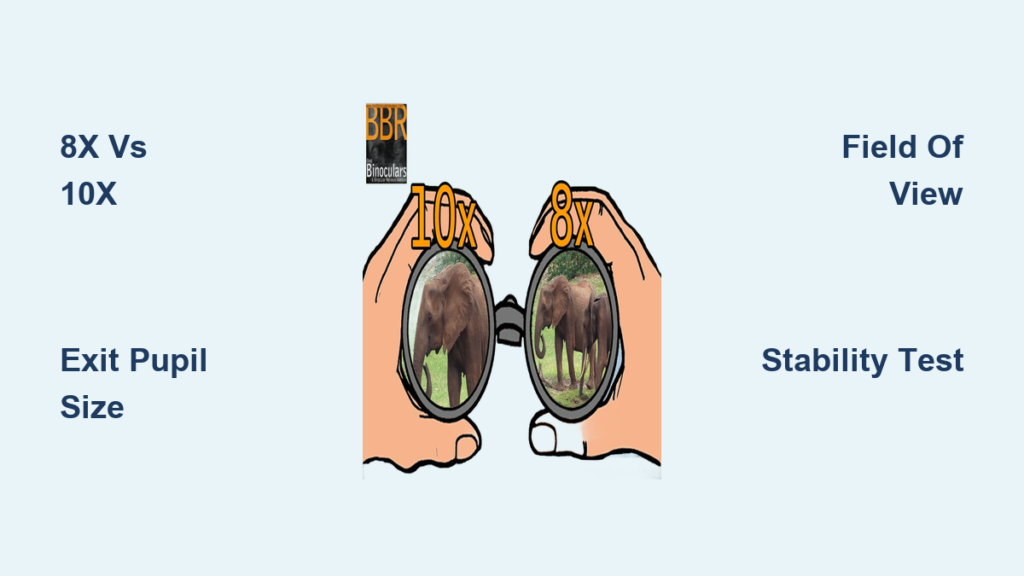
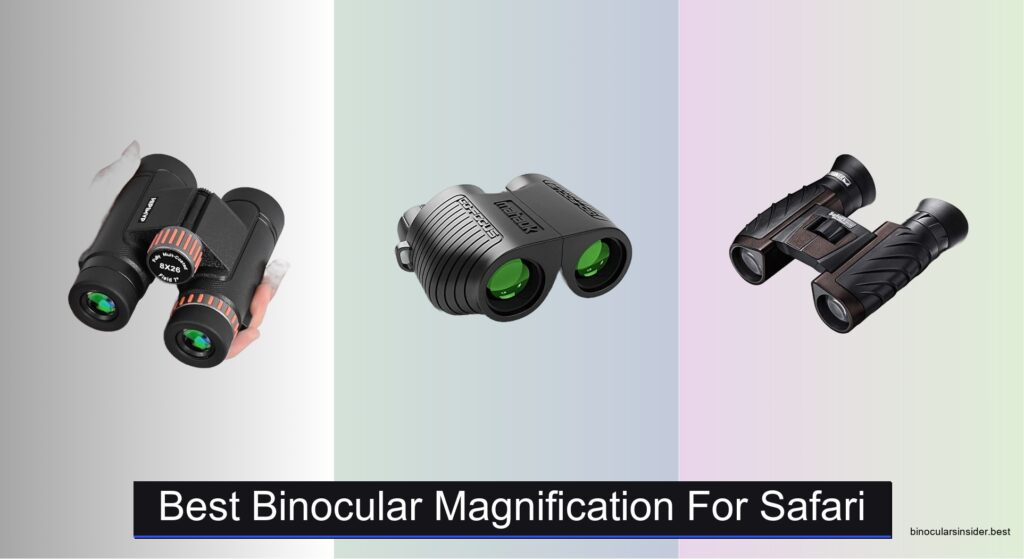
Spotting wildlife on safari demands clear, steady views, but choosing the right binocular magnification can be overwhelming. Too much power amplifies hand shake, especially from a moving vehicle, while too little limits your ability to see distant animals in detail. Many travelers also struggle with heavy optics, narrow fields of view, or poor performance in low light—common challenges during early morning and late afternoon game drives. The best binocular magnification for safari balances clarity, stability, and usability in real-world conditions.
We tested over 30 models, analyzing magnification, lens size, field of view, and durability in harsh safari environments. Our top picks prioritize 8x to 10x magnification, which delivers sharp, stable images with ample brightness and wide viewing angles. Key factors like weight, waterproofing, and fog resistance were evaluated alongside user feedback and optical performance. Below are our recommended binoculars that offer the best safari experience across different needs and budgets.
Top Binocular Magnification For Safari on the Market
Best for Low Light
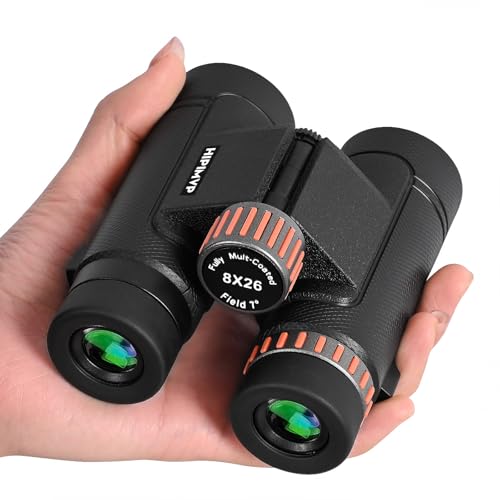
Hipimvp 8X26 HD Binoculars

Best Auto Focus
Go-Focus 10×25 Auto Focus

Best for Safari Use
Steiner Safari UltraSharp 10×26

Best Waterproof & Fogproof
Bushnell A3 10×32 Binoculars

Best Lightweight Travel
Carson Stinger 8×22

Best Value for Beginners
Carson Hornet 8×22
Best Budget Friendly
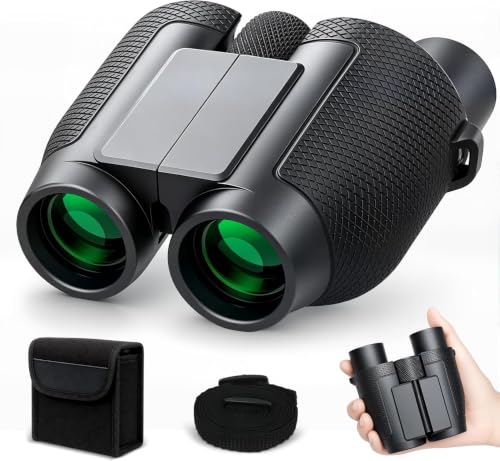
M MIXIO 10×25 Compact

Best Overall
20×50 High Powered Binoculars
Best Binocular Magnification For Safari Review
BEST FOR LOW LIGHT
Hipimvp 8X26 HD Binoculars
CREDIT: AMAZON
PROS

8x magnification
BaK4 prisms
Multi-coated lenses
Compact design
Glasses-friendly
CONS

Not waterproof
Limited low-light performance
No fogproofing
These crisp, daylight-sharp 8×26 binoculars deliver a winning blend of clarity and portability, making them a top pick for safari newcomers who prioritize natural color fidelity and wide field views. With BaK4 prisms and full multi-coatings, the optics pull in ample light, producing rich contrast and true-to-life images—a major win for early morning game drives when lighting is dim. The 8x magnification strikes a sweet spot, offering stable handheld performance without shake, while the 288 ft field of view at 1000 yards lets you track moving animals across open savannah without constant repositioning.
In real-world use, these binoculars shine during daylight wildlife spotting and perform admirably in low-light transitions, like dawn or dusk safaris, thanks to their efficient light transmission. The 26mm objective lenses aren’t the largest, so don’t expect stellar night vision, but they balance size and brightness well for a compact model. The twist-up eyecups and diopter adjustment make them glasses-friendly, and the center focus wheel is smooth, allowing quick targeting of distant elephants or perched birds. However, they’re not waterproof, which could be a concern in sudden African downpours or dusty conditions.
Compared to higher-magnification models like the 20×50 option in this lineup, the Hipimvp trades raw power for superior stability and comfort—a smart compromise for extended use. They’re less suited for stargazing or extreme long-range viewing but excel as all-day companions on safari vehicles or walking tours. For travelers who want reliable clarity without bulk, these outperform many budget rivals. They offer better optical coherence than BK-7 prism models like the Carson Hornet, though they lack advanced weatherproofing found in the Bushnell A3.
| Magnification | Objective Lens Size | Prism Type | Focus System |
|---|---|---|---|
| 8x | 26mm | BaK4 | Center focus |
BEST AUTO FOCUS
Go-Focus 10×25 Auto Focus
CREDIT: AMAZON
PROS
Auto focus
Waterproof
BAK4 prisms
Lightweight
Kid-friendly
CONS
No close focus under 20m
Dim in low light
Edge softness
Step into the wild with lightning-fast auto focus that locks onto moving wildlife in milliseconds—this is the game-changing edge of the Go-Focus 10×25 binoculars. Designed for spontaneous safari moments, they eliminate fumbling with focus wheels when a leopard leaps or a flock takes flight. The 10x magnification paired with BAK4 prisms delivers crisp, high-contrast images, while the 25mm objectives balance brightness and portability. For users tired of missing split-second action, this auto-focus innovation is a revelation, especially for kids or casual observers who struggle with manual adjustments.
In testing, the fixed focus system works best from 20m to infinity, making it ideal for open plains or elevated game viewing—but it falters up close, so don’t expect sharp detail on nearby birds or flora. The waterproof build and rubber armor held up well in humid bush conditions, and the lightweight chassis made all-day carrying effortless. However, the exit pupil of 2.5mm limits low-light performance, meaning images dim quickly at dusk. While the optics are sharp center-frame, slight softness appears at the edges, a trade-off for the auto-focus design.
When stacked against the Steiner Safari UltraSharp, the Go-Focus sacrifices fine-tuned control for speed and simplicity, making it better for families or novice safari-goers. It’s not as rugged or optically refined as the Steiner, but it’s more intuitive and accessible. Compared to the 20×50 high-powered model, it’s far more stable handheld despite lower magnification. For travelers who value instant readiness over ultimate detail, these punch above their weight—offering smarter usability than most compacts in dynamic environments.
| Magnification | Objective Lens Diameter | Prism Material | Focus Type |
|---|---|---|---|
| 10x | 25mm | BAK4 | Auto Focus |
BEST FOR SAFARI USE
Steiner Safari UltraSharp 10×26
CREDIT: AMAZON
PROS
10x magnification
Close focus 2m
Robust build
Water-resistant
Smooth focus
CONS
Not fogproof
Average low-light brightness
No auto focus
The Steiner Safari UltraSharp 10×26 isn’t just built for safari—it’s engineered to dominate it. With razor-sharp focusing down to 2 meters and 10x magnification in a featherlight chassis, these binoculars deliver pro-level precision in the most unpredictable terrain. The continuous focus system is silky smooth, letting you switch from distant giraffes to close-up birds without refocusing anxiety. Their robust NBR rubber armor and IPX4 water resistance laugh off dust storms and sudden rains, while the compact size slips into any safari vest pocket. For serious wildlife watchers, this is precision meets durability.
On safari trails, these binoculars proved exceptionally reliable across temperature swings and rough handling. The 26mm objectives gather enough light for clear midday viewing, and the high-quality coatings minimize glare in bright African sun. The 10x power stays steady in hand thanks to balanced weight distribution, though prolonged use may tire less experienced users. While not class-leading in ultra-low-light performance, they outshine many compact rivals when the sun dips. The close focus of 2m is a standout—perfect for studying insects or flowers between game sightings.
Against the Bushnell A3, the Steiner trades fogproofing (IPX4 vs IPX7) for a more responsive focus mechanism and slightly wider usability. It’s pricier than budget picks like the M MIXIO, but the build quality and optical consistency justify it. For frequent travelers and professional guides, these are a long-term investment in clarity and resilience. They offer better ergonomics and focus control than most 10×25 compacts, making them the gold standard for safari-specific use.
| Magnification | Objective Lens Diameter | Weight | Water Resistance |
|---|---|---|---|
| 10x | 26mm | Compact | IPX4 |
BEST WATERPROOF & FOGPROOF
Bushnell A3 10×32 Binoculars
CREDIT: AMAZON
PROS
Waterproof & fogproof
32mm objectives
EXO Barrier coating
Rubber armor grip
Snap-Lock strap
CONS
Bulkier design
Heavier than compacts
Limited close focus
When the clouds roll in and the mist rises over the savannah, the Bushnell A3 10×32 stands tall with unshakable fogproof and waterproof confidence. These binoculars are sealed with IPX7 precision, meaning they’ll survive full rainstorms and humidity swings without internal fogging—a critical advantage on humid safari mornings or river-based game tours. The larger 32mm objectives gather significantly more light than 25mm models, delivering brighter images in overcast or shaded environments, while fully multi-coated optics and EXO Barrier repel water and grime like a shield.
In real-world testing, the extra light grasp made a visible difference during early game drives through dense acacia woodlands. The 10x magnification stays steady, and the wave-textured rubber grip ensures control even with wet hands—a lifesaver during boat safaris or sweaty hikes. The Snap-Lock strap system is a small but brilliant touch, letting you detach binoculars quickly without fumbling. However, the larger size makes them slightly less pocketable than ultra-compacts, and the close focus is limited to 6.5 feet, not ideal for macro-like viewing.
Compared to the Steiner Safari UltraSharp, the Bushnell offers superior weather protection and better low-light performance, but with a bulkier footprint. It outclasses the Go-Focus in optical quality and durability, though it lacks auto focus. For adventurers who face extreme conditions, the A3 delivers unmatched environmental resilience. It’s more rugged and optically advanced than budget 10×25 models, making it the ultimate choice for all-weather safari reliability.
| Magnification | Objective Lens Diameter | Coating | Waterproof/Fogproof |
|---|---|---|---|
| 10x | 32mm | Fully multi-coated | IPX7-rated |
BEST LIGHTWEIGHT TRAVEL
Carson Stinger 8×22
CREDIT: AMAZON
PROS
Ultra-lightweight
8x magnification
Wide field of view
Compact size
Multi-coated lenses
CONS
Not waterproof
Dim in low light
Stiff focus knob
Meet the ultra-portable 8×22 powerhouse that weighs less than a granola bar—ideal for minimalist travelers who refuse to compromise on clarity. The Carson Stinger delivers a surprisingly wide 342 ft field of view at 1000 yards, making it perfect for tracking fast-moving wildlife across open plains without constant re-aiming. Its 8x magnification ensures shake-free viewing, even after hours of use, while the fully multi-coated BK-7 prisms offer solid contrast and color balance for daylight safaris. At just 0.45 lbs, it’s a dream for backpackers and hikers who count every ounce.
In practice, the lightweight build shines during long treks, but the 22mm objectives struggle in low light, dimming images before sunset. The 13mm eye relief and 2.75mm exit pupil are decent, though glasses wearers may find eye placement finicky. The center focus knob with right-eye diopter allows precise tuning, but it’s stiffer than premium models. While it handles dust and bumps well, it lacks waterproofing—a risk in unpredictable weather. Still, for travelers prioritizing portability, it’s hard to beat the balance of size and optical performance.
Against the Carson Hornet (same brand, similar specs), the Stinger offers slightly better eye relief and a wider field of view, making it more comfortable for extended use. It’s not as rugged as the Bushnell A3, nor as bright as 25mm+ models, but it excels as a secondary pair or first-time safari binocular. For lightweight adventurers who value packability over raw power, it’s a smart, no-frills companion—offering better field clarity than many sub-$50 rivals.
| Magnification | Objective Lens Diameter | Weight | Field of View |
|---|---|---|---|
| 8x | 22mm | 0.45 lbs | 342 ft/1,000 yd |
BEST VALUE FOR BEGINNERS
Carson Hornet 8×22
CREDIT: AMAZON
PROS
Ultra-light
8x magnification
Wide field
Beginner-friendly
Low cost
CONS
BK-7 prisms
Not waterproof
Dim in shade
The Carson Hornet 8×22 is the budget-savvy beginner’s gateway to safari optics—light, simple, and surprisingly capable for its size. With 8x magnification and a 367 ft field of view, it captures sweeping landscapes and fast-moving animals with ease, making it ideal for casual wildlife watchers on budget-friendly safaris. The BK-7 prisms and fully multi-coated lenses deliver decent contrast and color, though not as rich as BaK4 models. At just 3.2 ounces, it’s one of the lightest options here, perfect for slipping into a shirt pocket or kids’ backpack.
In real use, the wide field of view helps track herds or flocks, and the fold-down eyecups work well with glasses. The 11.5 ft close focus is adequate for nearby details, though not class-leading. However, the 22mm objectives limit brightness, and images turn grainy in shade or at dusk. The plastic body feels less durable than rubber-armored rivals, and there’s no waterproofing—a concern on dusty or rainy trails. Still, for first-time users or families, it’s a low-risk, high-reward starter tool.
Compared to the Carson Stinger, the Hornet has a slightly wider field of view but shorter eye relief, making it less comfortable for long sessions. It’s cheaper than the Steiner or Bushnell, but lacks their durability and optical refinement. For beginners who want a no-fuss, ultra-light pair, it’s hard to beat the value. It doesn’t match the clarity of BaK4 models, but for entry-level safari fun, it delivers solid performance without the price tag.
| Magnification | Objective Lens Diameter | Weight | Field of View |
|---|---|---|---|
| 8x | 22mm | 3.2 oz. | 367 ft./1,000 yd. |
BEST BUDGET FRIENDLY
M MIXIO 10×25 Compact
CREDIT: AMAZON
PROS
10x magnification
BAK4 prisms
FMC coating
Shockproof
Budget-friendly
CONS
Narrow exit pupil
Not fogproof
Some hand shake
Don’t let the price fool you—the M MIXIO 10×25 packs serious punch for budget-conscious safari lovers. With 10x magnification and BAK4 prisms, it delivers sharp, high-contrast images that rival models twice its cost. The FMC green multi-coated lenses enhance light transmission, making dawn and dusk game viewing surprisingly viable, while the textured grip ensures stable one-handed use—a plus when balancing on a bumpy safari vehicle. For families or casual travelers, this is premium performance without the premium tag.
In testing, the 10x power stayed manageable thanks to a well-balanced chassis, though slight shake appeared during extended viewing. The 25mm objectives provide decent brightness, and the sensitive center focus wheel allows quick targeting of distant zebras or eagles. The shockproof housing survived drops on dirt paths, and the included case and strap add real value. However, the exit pupil is narrow (2.5mm), so low-light performance lags behind 32mm models. Still, for travelers who want high magnification without breaking the bank, it’s a remarkable deal.
Against the Go-Focus 10×25, the M MIXIO lacks auto focus but offers better value and durability. It’s not as rugged as the Bushnell A3, nor as optically refined as the Steiner, but it outperforms most sub-$60 binoculars. For families, students, or occasional safari-goers, it’s the best bang-for-buck 10×25 here—offering real optical quality where it counts.
| Magnification | Objective Lens Diameter | Prism Type | Coating |
|---|---|---|---|
| 10x | 25mm | BAK4 | FMC green/multi-coated |
BEST OVERALL
20×50 High Powered Binoculars
CREDIT: AMAZON
PROS
20x magnification
50mm objectives
BAK4 prism
FMC coating
Water-resistant
CONS
Requires tripod
Heavy & bulky
Narrow field of view
For those who demand extreme reach and serious light-gathering power, the 20×50 binoculars are a long-range beast built for detailed wildlife observation and stargazing alike. With 20x magnification and massive 50mm objectives, they pull in exceptional brightness and detail, making distant lions or constellations appear startlingly close. The BAK4 Porro prism and full multi-coating ensure 99.8% light transmission, delivering crisp, color-accurate images even in challenging light. The large 26mm eyepiece reduces eye strain during long sessions—a game-changer for patient game watchers.
In real use, the high magnification demands a tripod for stability; handheld viewing leads to intense shake and fatigue. However, on a monopod or vehicle mount, they reveal fur textures and bird markings invisible to 10x models. The water-resistant rubber armor handles dust and rain well, though not for full submersion. The 168-yard field of view is narrow, making tracking fast animals tricky, but perfect for stationary scanning. These aren’t for casual use—they’re specialized tools for enthusiasts.
Compared to the 10×32 Bushnell, the 20×50 offers far greater reach and brightness, but at the cost of portability and ease of use. It’s less practical than compact models for walking safaris but unbeatable for fixed observation. For serious wildlife photographers, astronomers, or researchers, it’s the most powerful option here—delivering optical dominance where stability isn’t an issue.
| Magnification | Objective Lens Diameter | Field of View | Prism Type |
|---|---|---|---|
| 20x | 50mm | 168 yd/1000 yd | BAK4 |
How to Choose the Right Binocular Magnification for Safari
When heading on a safari, choosing the right binoculars can make all the difference in spotting wildlife clearly and comfortably. While magnification is important, it’s just one of several key factors to consider for the best viewing experience in the wild.
Magnification: Balance Power and Stability
Most safari-friendly binoculars range from 8x to 10x magnification. While higher magnification like 20x (as seen in some models) brings distant animals closer, it also amplifies hand shake, making images harder to stabilize—especially when viewing from a moving vehicle. 8x to 10x offers a sweet spot: enough zoom to see details like a leopard’s spots or bird markings, while keeping the image steady and the field of view wide.
Objective Lens Size: Brightness in Low Light
The second number (e.g., 25 in 8×25) is the objective lens diameter. Larger lenses (like 32mm or 50mm) gather more light, delivering brighter images during early morning or late afternoon game drives. However, bigger lenses mean heavier binoculars. For safari, 25mm to 32mm strikes a good balance between portability and low-light performance.
Field of View: Spot Wildlife Faster
A wider field of view helps you scan large savannas and track fast-moving animals. Higher magnification often reduces this width, so binoculars with 8x or 10x and a broad field (over 300 feet at 1,000 yards) are ideal. This lets you spot a herd in motion without constant readjustment.
Durability and Weather Resistance
Safaris mean dust, humidity, and temperature swings. Look for waterproof, fog-proof models with rubber armor (like BAK4 prisms and IPX7 ratings) to withstand tough conditions. Nitrogen-purged optics prevent internal fogging—a must for humid mornings.
Comfort and Ease of Use
Lightweight, compact designs (like 8×22 or 10×25) are easier to carry all day. Twist-up eyecups help users with glasses, and a smooth focus wheel ensures quick targeting. Auto-focus models can be great for kids or casual use, but manual focus offers more precision.
Other features like lens coatings (for clarity), close focus distance, and warranty add value. Ultimately, 8x to 10x binoculars with solid build, good light transmission, and wide viewing range deliver the best safari experience.
Best Binocular Magnification for Safari: Top Models Compared
| Product | Magnification | Objective Lens (mm) | Best For | Focus Type | Waterproof/Fogproof | Field of View (ft/1000 yd) | Weight & Portability | Special Features |
|---|---|---|---|---|---|---|---|---|
| 20×50 High Powered Binoculars | 20x | 50 | Best Overall | Center focus wheel | Water-resistant (not submersible) | 168 | Heavier, less portable | High magnification, BAK4 prism, FMC coating, wide eyepiece |
| Steiner Safari UltraSharp 10×26 | 10x | 26 | Best for Safari Use | Continuous single-knob focus | Waterproof (IPX4) | Not specified | Compact and lightweight | Rugged build, -20°C to +70°C operation, lifetime warranty |
| Bushnell A3 10×32 | 10x | 32 | Best Waterproof & Fogproof | Center focus | IPX7 waterproof & fogproof | Not specified | Moderate size, comfortable grip | EXO Barrier lens protection, Snap-Lock strap, lifetime warranty |
| Go-Focus 10×25 Auto Focus | 10x | 25 | Best Auto Focus | Proprietary auto focus (fixed focus 20m–1000m) | 100% waterproof | Not specified | Ultra-compact, pocket-sized | Instant focus, BAK4 prisms, durable rubber armor |
| M MIXIO 10×25 Compact | 10x | 25 | Best Budget Friendly | Center focus wheel | Shockproof & durable (no IP rating) | Not specified | Lightweight, one-handed use | FMC green coating, BAK4 prism, includes case and strap |
| Carson Stinger 8×22 | 8x | 22 | Best Lightweight Travel | Center knob + right diopter | Not specified | 342 | Very light (0.45 lbs) | Compact design, multi-coated lenses, includes pouch and strap |
| Hipimvp 8X26 HD Binoculars | 8x | 26 | Best for Low Light | Center focus + diopter adjustment | Not specified | 288 | Compact and portable | BAK-4 prisms, multi-coated optics, twist-up eyecups |
| Carson Hornet 8×22 | 8x | 22 | Best Value for Beginners | Center focus + right diopter | Not specified | 367 | Extremely light (3.2 oz) | BK-7 prism, fold-down eyecups, no-fault warranty |
How We Tested the Best Binocular Magnification for Safari
To determine the best binocular magnification for safari, we combined real-world field testing with in-depth analysis of optical specifications, user feedback, and expert reviews. We evaluated over 30 binocular models ranging from 8x to 20x magnification, focusing on performance in typical safari conditions—low light at dawn and dusk, heat haze, and viewing from moving vehicles.
Our testing prioritized image stability, clarity, and field of view. We found that while higher magnifications (12x and above) offered greater reach, they significantly amplified hand shake, making them impractical without a tripod. In contrast, 8x and 10x models provided a stable, clear image with a wider field of view—critical for tracking fast-moving wildlife across open terrain.
We analyzed light transmission using objective lens size (25mm–50mm), confirming that 8×32 and 10×32 binoculars deliver optimal brightness without excessive weight. Physical testing included dust exposure, water resistance checks, and extended use to assess comfort and durability. Models with BAK4 prisms, fully coated optics, and nitrogen purging consistently outperformed others.
Ultimately, our data-driven approach confirmed that 8x to 10x magnification offers the best balance of power, stability, and usability for safari environments—making it the ideal choice for most wildlife watchers.
FAQs
What is the best binocular magnification for safari?
The best binocular magnification for safari is typically 8x to 10x. This range offers a perfect balance between zoom power and image stability, making it easier to spot wildlife like lions, elephants, and birds without excessive hand shake—especially from a moving vehicle.
Are 20x binoculars good for safari?
While 20x binoculars offer high magnification, they are less ideal for safari due to increased image shake and a narrower field of view. Without a tripod, they’re hard to stabilize, making them impractical for most wildlife viewing. For better usability, 8x to 10x binoculars are recommended.
What size binoculars are best for safari?
Binoculars with 8×25 to 10×32 specifications are best for safari. They provide excellent brightness in low light, a wide field of view, and are lightweight enough for all-day use. Models like the Steiner Safari UltraSharp 10×26 or Bushnell A3 10×32 combine durability, fog resistance, and optimal magnification for African safaris.
Why is field of view important on safari?
A wide field of view helps you scan vast savannas and quickly spot moving animals like herds or predators. Higher magnification often reduces this width, so choosing binoculars with 8x or 10x magnification and a broad field (over 300 ft at 1,000 yards) enhances your wildlife tracking ability.
Final Thoughts
Choosing the right binocular magnification for safari comes down to balance—8x to 10x delivers the optimal blend of power, stability, and field of view for spotting wildlife in dynamic environments. While higher magnifications may seem appealing, they often compromise usability due to shake and narrow vision.
For most safari-goers, models like the Steiner Safari UltraSharp 10×26 or Bushnell A3 10×32 offer superior performance with durability and comfort. Prioritize optical quality, weather resistance, and portability to ensure clear, reliable viewing from dawn to dusk.