That moment when your trusted binoculars suddenly show double vision or develop a stubborn haze inside the lenses can feel devastating—especially if they’re your prized Zeiss or Swarovski pair. Binocular service and repair isn’t just about fixing broken parts; it’s about restoring the precise optical alignment that makes high-quality viewing possible. For birders, hunters, and astronomy enthusiasts alike, understanding when and how to get professional binocular service and repair can mean the difference between replacing a $2,000 investment and restoring it to “better-than-new” condition.
Most binocular owners face this dilemma: Is it worth repairing my optics or should I buy new? The answer depends on several factors including brand value, repair costs, and sentimental attachment. With the optical repair industry experiencing a “silver tsunami” of retiring technicians, finding qualified binocular service and repair specialists has become increasingly challenging. This guide breaks down common problems, repair processes, and economic considerations to help you make informed decisions about maintaining your valuable optical instruments.
Why Your High-End Binoculars Suddenly Show Double Vision and Headaches
Double vision isn’t just annoying—it’s your binoculars screaming for professional attention. When your expensive Zeiss or Swarovski binoculars suddenly cause eye strain or headaches after just minutes of viewing, you’re almost certainly dealing with a collimation error. This critical misalignment occurs when the optical paths in each barrel are no longer perfectly parallel, forcing your eyes to work overtime to fuse two separate images.
Identifying Collimation Errors After a Drop or Impact
The most common cause of collimation issues is physical impact—whether from dropping your binoculars or storing them where they get knocked around. Here’s how to confirm collimation problems:
- The distant object test: Focus on a vertical object like a telephone pole at 100+ yards. If the image appears as two separate poles that won’t merge, your binoculars are out of collimation
- The close-focus test: Focus on your fingertip held about 6 inches from the objective lenses. If you see two fingers that won’t converge, collimation is off
- The horizon test: Look at a straight horizon line. If it appears bent or disconnected in the center, your prisms need realignment
How to Test for Prism Misalignment Without Special Tools
While professional collimation requires specialized equipment, you can perform a preliminary check at home. Point your binoculars at a distant, high-contrast target like a window frame. Close one eye, then the other—each barrel should show the exact same portion of the image. If one barrel appears shifted horizontally or vertically, your prisms have likely moved from their precise alignment and require professional binocular service and repair.
Diagnosing Internal Fungus and Haze in Stored Binoculars

That cloudy, milky appearance inside your lenses isn’t just dirt—it’s a serious threat to your binoculars’ longevity. Fungus growth and internal hazing represent two of the most common issues requiring binocular service and repair, especially for optics stored in humid environments or damp closets. Left untreated, these problems can permanently etch lens coatings and destroy optical clarity.
Recognizing Early-Stage Fungus Before Permanent Lens Damage
Fungus often starts as barely visible web-like patterns that resemble fine spiderwebs across your field of view. Early detection is crucial because:
- Initial growth appears as faint, branching lines that become more pronounced over time
- Affected areas may look slightly cloudy or textured compared to clear portions of the lens
- Under direct sunlight, fungus creates distinctive shadow patterns when viewing a bright sky
Pro tip: If you catch fungus early, a professional cleaning might save your lenses. Once it etches the coating (visible as permanent “etched” spots even when the fungus is removed), replacement becomes necessary.
Distinguishing Between Hazing and Delamination: Critical Differences
Many users confuse internal hazing with lens delamination, but they require different repair approaches:
- Hazing: Appears as a uniform milky film across the lens surface, often caused by outgassing lubricants or moisture penetration through failing seals
- Delamination: Shows as “crazing” or separation lines within cemented lens elements, creating visible concentric circles or spiderweb patterns
- Fungus: Presents as irregular, branching patterns that grow over time
Warning: Attempting DIY cleaning of internal issues often causes more damage. Only qualified binocular service and repair technicians should open sealed optical assemblies.
Reviving Stiff Focus Mechanisms in Nikon Monarch and Similar Models
When your focus wheel turns like it’s moving through molasses, you’re dealing with hardened grease—a common issue in binoculars stored for years or used in extreme temperatures. This problem affects virtually all mechanical binocular models but is especially prevalent in popular mid-range optics like Nikon Monarch, Vortex Diamondback, and Celestron Nature DX series.
Cleaning Focus Systems Without Disassembly
For mildly stiff focus mechanisms, try these safe cleaning techniques:
- Apply two drops of high-purity isopropyl alcohol (90%+) to the focus wheel seam
- Work the focus back and forth for 2-3 minutes to allow solvent penetration
- Wipe away dissolved grease residue with a microfiber cloth
- Apply a tiny amount of specialized optical grease to moving parts
Note: This method works for minor stiffness but won’t fix completely seized mechanisms, which require professional disassembly.
When Hardened Grease Requires Complete Mechanism Overhaul
Severely stiff or frozen focus systems need complete disassembly—a job requiring specialized tools and expertise. Professional binocular service and repair technicians follow these critical steps:
- Carefully remove all old, hardened grease using spectroscopic-grade solvents
- Inspect for wear on focus gears and threads
- Replace damaged components with custom-fabricated parts if necessary
- Re-lubricate with temperature-stable optical grease designed for precision instruments
- Reassemble and test through hundreds of focus cycles
Time estimate: A complete focus mechanism overhaul typically takes 2-4 hours of skilled technician time.
When to Repair Your $1,500 Swarovski Binoculars vs. Buying New

The decision to repair high-end binoculars comes down to a simple economic calculation with important emotional considerations. For premium optics like Swarovski EL, Zeiss Victory, or Leica Ultravid models, repair almost always makes financial sense—but the math differs for mid-range and entry-level models.
The 70% Rule for High-End Binocular Repair Decisions
Apply this straightforward guideline when considering binocular service and repair:
- Worth repairing: If repair costs are less than 70% of the current retail price of an equivalent new model
- Consider sentimental value: Family heirlooms or specialty models (military, marine, astronomy) often warrant repair regardless of cost
- Not worth repairing: Entry-level binoculars where labor costs exceed the instrument’s value
Example: A $250 repair on $2,000 Swarovski binoculars represents just 12.5% of replacement cost—making it an excellent investment in restored optical performance.
Sentimental Value vs. Economic Reality: Family Heirloom Considerations
Many users overlook the emotional dimension of binocular repair. That pair of WWII-era military binoculars passed down from your grandfather or the spotting scope used on your first safari carry value beyond monetary calculation. Specialized vintage binocular restoration services can preserve historical accuracy while improving optical performance—often making these cherished instruments more usable than when originally manufactured.
How to Verify a Binocular Repair Specialist’s Collimation Expertise
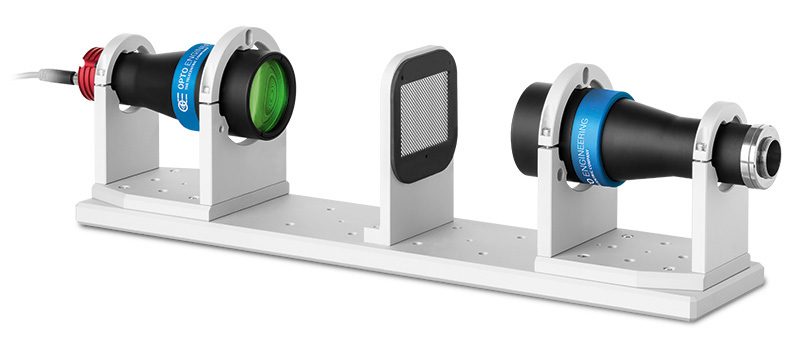
Not all binocular service and repair technicians possess equal skills—especially when it comes to the critical collimation process. Finding a truly qualified specialist requires careful vetting, as improper collimation can permanently damage your optics or create viewing discomfort.
Questions to Ask Before Shipping Your Valuable Optics
Protect your investment by asking these essential questions:
- “What specific collimation equipment do you use?” (Look for answers mentioning optical benches or projector collimators)
- “Can you provide before-and-after collimation measurements for a recent repair?”
- “Do you purge optics with dry nitrogen during reassembly to prevent future fogging?”
- “What is your warranty policy on collimation work?”
Red flag: Technicians who claim they can “eyeball” collimation without proper equipment lack the precision required for quality binocular service and repair.
Packing Your Binoculars for Safe Shipping to a Repair Center
Proper shipping technique prevents 95% of damage during transit. Follow these professional packing guidelines:
- Remove your binoculars from any case and wrap them individually in 2-3 layers of bubble wrap
- Place wrapped binoculars in a rigid inner box slightly larger than the optics
- Fill all void spaces with packing peanuts or crumpled paper
- Place the inner box inside a larger outer box with 3+ inches of cushioning on all sides
- Clearly label “FRAGILE: PRECISION OPTICS” on multiple sides
Critical step: Always insure high-value binoculars for their full replacement value—not just repair cost.
Complete Cost Breakdown: Repairing Vintage vs. Modern Binoculars
Understanding typical repair costs helps set realistic expectations for binocular service and repair. While prices vary by region and technician expertise, these ranges reflect current market rates for common services:
| Repair Type | Vintage Binoculars | Modern Premium Binoculars | Modern Mid-Range |
|---|---|---|---|
| Basic Collimation | $125-$175 | $100-$150 | $75-$125 |
| Complete Focus Mechanism Overhaul | $175-$250 | $150-$225 | $125-$175 |
| Internal Cleaning (Fungus/Haze) | $200-$300 | $175-$250 | $150-$200 |
| Prism Realignment + Collimation | $225-$350 | $200-$300 | $175-$250 |
| Full Restoration (Vintage) | $350-$600+ | N/A | N/A |
Pro insight: Many high-end binocular repairs cost less than you might expect because skilled technicians can often restore optics to “better-than-new” condition using modern materials and techniques unavailable when the binoculars were manufactured.
Monthly Cleaning Routine to Prevent Fungus Growth in Humid Climates
Preventive maintenance dramatically extends binocular lifespan and reduces future repair needs. Establish this simple monthly routine to protect your investment:
- Wipe exterior surfaces with a microfiber cloth dampened with lens cleaning solution
- Check rubber eyecups for cracks where moisture can enter
- Store binoculars in a climate-controlled environment with silica gel desiccant
- Never store binoculars in cases while still damp from field use
- Periodically exercise all mechanical components (focus, diopter, hinge)
Critical tip: For users in tropical or coastal environments, consider professional resealing every 3-5 years to maintain waterproof integrity and prevent internal moisture penetration.
Final Note: Proper binocular service and repair transforms frustrated viewing into crystal-clear optical experiences. Whether you own vintage military optics or the latest premium model, understanding common problems and repair processes empowers you to make informed decisions about maintaining your valuable instruments. For high-end binoculars, professional repair typically delivers superior optical performance at a fraction of replacement cost. When selecting a service provider, prioritize technicians with specialized collimation equipment and proven experience with your specific binocular model—your eyes (and your viewing enjoyment) will thank you.