Ever stared at binocular models labeled 8×42, 10×50, or 12×25 and wondered what those numbers actually mean for your viewing experience? You’re not alone. Understanding the binocular size chart is the single most important step in selecting optics that match your specific needs, whether you’re scanning for birds at dawn, navigating open waters, or stargazing under dark skies. This guide cuts through the confusion by showing you exactly how magnification and objective lens size impact real-world performance, so you can confidently choose binoculars that deliver exactly what you need.
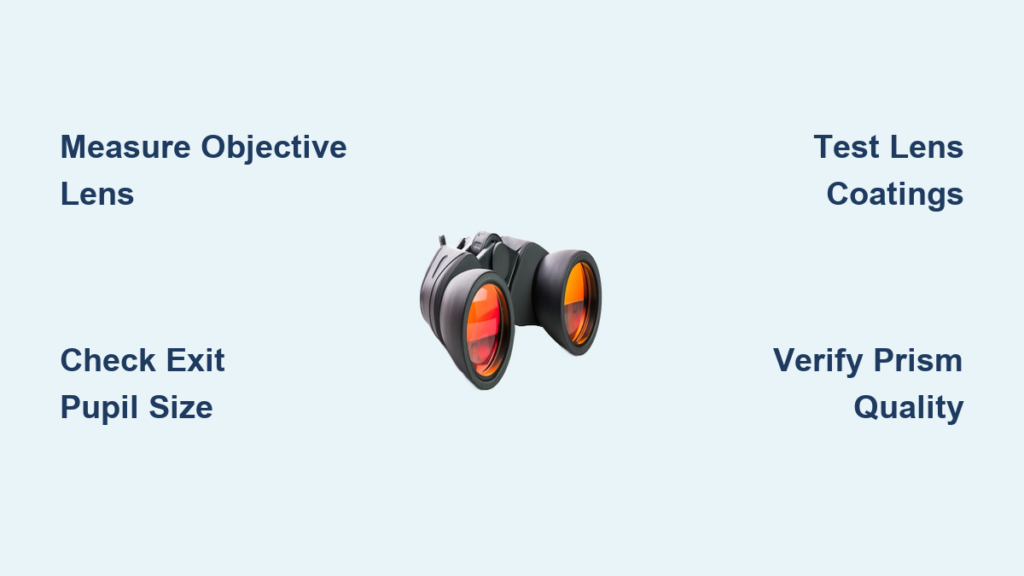
Those seemingly cryptic numbers on binoculars—like 8×42—represent a precise formula for optical performance. The first number indicates magnification power (how many times closer objects appear), while the second specifies the objective lens diameter in millimeters (how much light enters the system). This binocular size chart isn’t arbitrary—it directly determines your field of view, low-light capability, weight, and overall usability. Skip this critical understanding, and you might end up with binoculars that are either too heavy to carry all day or too weak to deliver clear images when light fades.
Most shoppers make the mistake of focusing solely on magnification, but the objective lens size plays an equally vital role in your viewing experience. A higher magnification number doesn’t automatically mean better binoculars—it often creates trade-offs in stability and brightness. By the end of this guide, you’ll know exactly which binocular size delivers optimal performance for your specific activities, avoiding costly mistakes and ensuring you get optics that enhance rather than hinder your adventures.
Why 8×42 Binoculars Dominate Birding and Outdoor Adventures
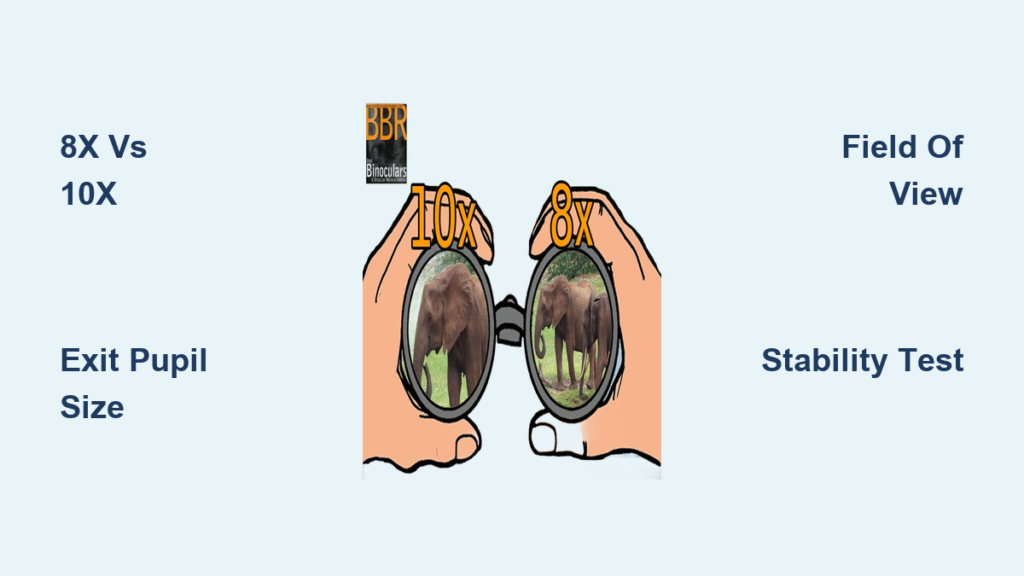
When you examine the binocular size chart across outdoor retailers, you’ll notice 8×42 models consistently rank as bestsellers for good reason. This size delivers the ideal balance between magnification power and light-gathering capability for most daylight activities. The 8x magnification provides a stable image you can comfortably hold without support, while the 42mm objective lenses gather sufficient light for clear viewing even during early morning or late afternoon birding sessions.
How 8×42 Outperforms Common Alternatives
Compare these real-world performance differences:
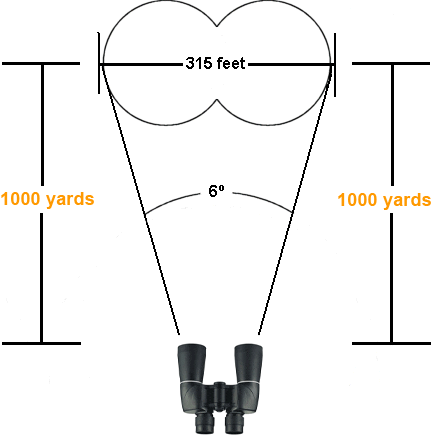
- Versus 10×42: The 8x version offers a wider field of view (typically 360-400 feet at 1000 yards vs. 300-350 feet), making it easier to locate and track fast-moving birds through dense foliage
- Versus 8×32: The larger 42mm lenses gather approximately 30% more light, providing noticeably brighter images during those critical low-light periods when birds are most active
- Versus compact 8×25: You gain significantly better optical quality and low-light performance while maintaining reasonable portability (most 8×42 models weigh 600-800g)
When You Should Choose 8×42 Over Other Sizes
Select 8×42 binoculars if you:
– Spend extended periods scanning landscapes for birds or wildlife
– Need reliable performance from dawn until dusk
– Require comfortable all-day carrying weight for hiking
– Want the widest possible field of view for tracking moving subjects
– Don’t have perfect hand stability (higher magnifications amplify hand shake)
How Objective Lens Size Directly Impacts Your Low-Light Performance
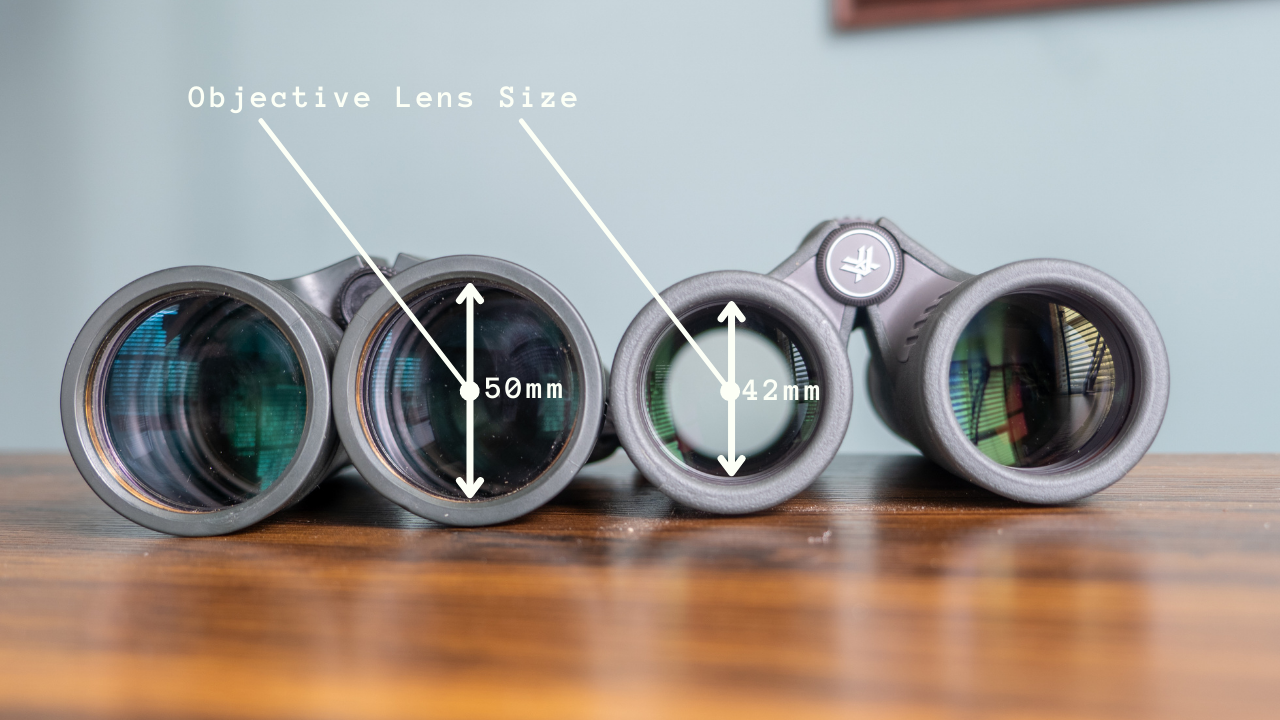
The second number in your binocular size chart—objective lens diameter in millimeters—is arguably more important than magnification for determining real-world usability. This measurement directly controls how much light enters the optical system, which becomes critically important when viewing conditions aren’t ideal. Larger lenses (50mm+) capture significantly more light than compact models (25mm), but they also add weight and bulk that might surprise first-time buyers.
Objective Lens Size Performance Breakdown
Small Lenses (20-28mm): These compact binoculars fit easily in your pocket but struggle severely in low light. Expect dim, grainy images before 9 AM or after 4 PM. They’re best reserved for stadium events or theater performances where lighting is controlled.
Standard Lenses (32-42mm): The sweet spot for most users—they gather enough light for reasonable dawn/dusk viewing while remaining portable. The 42mm size provides about 75% more light gathering than 25mm models, making a dramatic difference in image brightness.
Large Lenses (50mm+): These low-light powerhouses deliver stunning clarity during twilight hours and under starlight. A 50mm lens gathers approximately 56% more light than a 42mm model and nearly double what a 32mm lens captures. However, this performance comes with significant weight (often 1000g+) that becomes noticeable during extended use.
Compact Binoculars (8×25): When Portability Trumps Optical Power
If you prioritize slipping binoculars into your pocket over optical perfection, compact models like 8×25 represent the ultimate in portability. These lightweight optics typically weigh under 300 grams—less than most smartphones—making them ideal companions for theater outings, concerts, or casual hiking where carrying heavier gear feels burdensome.
Ideal Compact Binocular Use Cases
Choose compact binoculars when:
– You need optics that won’t weigh down your daypack during long hikes
– Carrying weight is a concern due to physical limitations
– You primarily view in bright daylight conditions
– Space is limited (boat cabins, small apartments, travel luggage)
– You want “always with you” optics rather than specialized equipment
Critical Limitations to Consider
Compact binoculars sacrifice significant performance for their small size:
– Narrower fields of view make tracking moving subjects more challenging
– Reduced light gathering creates dim images during early morning or late evening
– Smaller exit pupils (typically 3-4mm) require precise eye placement
– Lower magnification limits distant subject detail
– Often feature narrower eye relief, problematic for glasses wearers
Full-Size Binoculars (8×50): Maximizing Light Capture for Dawn/Dusk Viewing
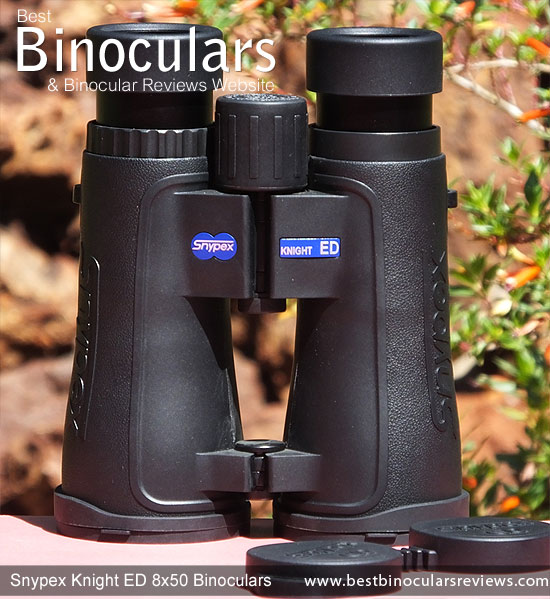
When light conditions deteriorate but you still need clear, bright images, full-size binoculars like 8×50 become essential tools. The 50mm objective lenses gather substantially more light than standard 42mm models, creating noticeably brighter images during those magical but challenging dawn and dusk observation periods when wildlife is most active.
Marine and Astronomy Applications
Full-size binoculars excel in specific scenarios where light matters most:
– Marine environments: The 7×50 configuration remains the sailor’s choice because the 7x magnification provides stability on moving decks while the large lenses capture every available photon on foggy mornings or at twilight
– Astronomy: Under dark skies, 7×50 binoculars deliver a 7mm exit pupil—perfectly matching the dark-adapted human eye’s maximum dilation for maximum light transmission
– Wildlife observation: When tracking nocturnal animals at dusk, the extra light gathering reveals details invisible through smaller optics
Birdwatcher’s Guide to Selecting the Ideal Binocular Size
Serious birders know that selecting the right binocular size directly impacts their ability to identify species quickly and accurately. While compact models might seem convenient, most experienced birders gravitate toward specific sizes that optimize their field experience. Understanding these preferences can help you avoid the frustration of purchasing binoculars that hinder rather than enhance your birding adventures.
Why 8×42 Reigns Supreme for Bird Identification
The 8×42 configuration delivers the critical combination birders need:
– Wide field of view (typically 360+ feet at 1000 yards) for quickly locating birds in dense foliage
– Bright images during early morning when most songbirds are active
– Manageable weight (600-800g) for all-day carrying during extended hikes
– Sufficient magnification to see key identification marks without excessive hand shake
– Exit pupil size (5.25mm) that matches most users’ daylight-adapted pupils
When 10×42 Makes Sense for Birdwatching
Consider stepping up to 10×42 if:
– You primarily observe larger birds at greater distances (raptors, waterfowl)
– You have excellent hand stability or use a stable rest position
– You prioritize seeing fine feather details over wide field of view
– You don’t need to track extremely fast-moving subjects through complex backgrounds
Astronomy-Friendly Binocular Sizes: What Works Under the Night Sky
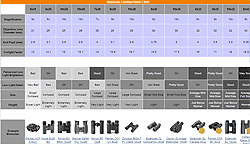
Stargazing demands different optical priorities than daylight viewing, making certain binocular sizes particularly well-suited for astronomy. Unlike telescopes, binoculars provide a natural, comfortable viewing experience while delivering impressive celestial detail—provided you select the right size from the binocular size chart.
Best Binocular Sizes for Different Astronomical Targets
7×50: The classic astronomy binocular offering maximum light gathering (7mm exit pupil) with comfortable 7x magnification. Perfect for scanning the Milky Way and large star clusters where brightness matters more than extreme magnification.
10×50: Provides better resolution for double stars and planetary details while still gathering ample light. The slightly smaller exit pupil (5mm) works well for most observers under dark skies.
15×70: Requires tripod mounting but delivers stunning views of Jupiter’s moons, Saturn’s rings, and deep-sky objects. The large 70mm lenses gather nearly double the light of 50mm models, revealing fainter objects.
Marine Binoculars: Why 7×50 Remains the Sailor’s Choice
On a moving vessel, stability becomes paramount—which is why 7×50 binoculars have remained the marine standard for decades. The lower 7x magnification provides significantly better image stability on rocking boats compared to higher magnifications, while the large 50mm objective lenses capture every available photon during early morning fog or twilight navigation.
Critical Marine-Specific Features to Consider
When selecting marine binoculars:
– Prioritize waterproof and fog-proof construction (O-ring sealed with nitrogen or argon)
– Look for rubber armor that provides grip even with wet hands
– Consider models with built-in compasses and reticle rangefinders for navigation
– Choose wide field of view (over 350 feet at 1000 yards) for easier target acquisition
– Ensure long eye relief (15mm+) if you wear glasses while navigating
Your Step-by-Step Decision Process for Picking the Right Binocular Size
Choosing binoculars shouldn’t feel overwhelming when you follow a systematic approach based on your specific needs. This practical decision framework cuts through marketing hype and helps you select optics perfectly matched to your intended use, ensuring you get maximum value from your investment.
The 5-Point Binocular Size Checklist
-
Identify your primary use case: Be specific—don’t just say “birding” but consider whether you’re scanning open fields or dense forests, which affects needed magnification and field of view
-
Determine your acceptable weight limit: Try carrying a 1kg weight in your pocket for an hour—can you handle that all day? Most serious birders find 700-800g is their practical maximum
-
Assess your typical lighting conditions: If you primarily view in bright daylight, you can prioritize portability; if you need dawn/dusk performance, prioritize larger objective lenses
-
Consider your eye relief requirements: Measure your glasses’ eye relief needs—if you wear glasses, look for models with 15mm+ eye relief to see the full field of view
-
Test field of view requirements: For fast-moving subjects (birds in flight, sports), prioritize wider fields of view (over 350 feet at 1000 yards)
When you consult the binocular size chart with these specific criteria in mind, the decision becomes remarkably clear. The perfect binocular size isn’t about having the highest numbers—it’s about matching optical specifications to your actual usage patterns. By understanding how magnification and objective lens size interact in real-world conditions, you’ll select binoculars that enhance rather than hinder your viewing experiences. Remember that the most expensive or highest-magnification model rarely makes the best choice—your ideal pair balances performance, portability, and purpose to deliver exactly what you need when you need it.