Your Zeiss binoculars stopped focusing smoothly during that critical birding trip. The image has turned hazy, or maybe the rubber armor is peeling off your prized Victory model. When premium optics fail, you need reliable Zeiss binocular repair solutions—not guesswork. Zeiss owners face unique challenges when their high-end optics need service, especially with vintage models or secondhand purchases. This guide cuts through the confusion with exact repair costs, global service center contacts, and proven solutions for common problems based on real user experiences. You’ll discover how to navigate Zeiss’s lifetime service policy, avoid costly mistakes when shipping your binoculars, and understand what repairs are worth the investment.
Where to Send Your Zeiss Binoculars for Professional Repair (Global Service Centers)
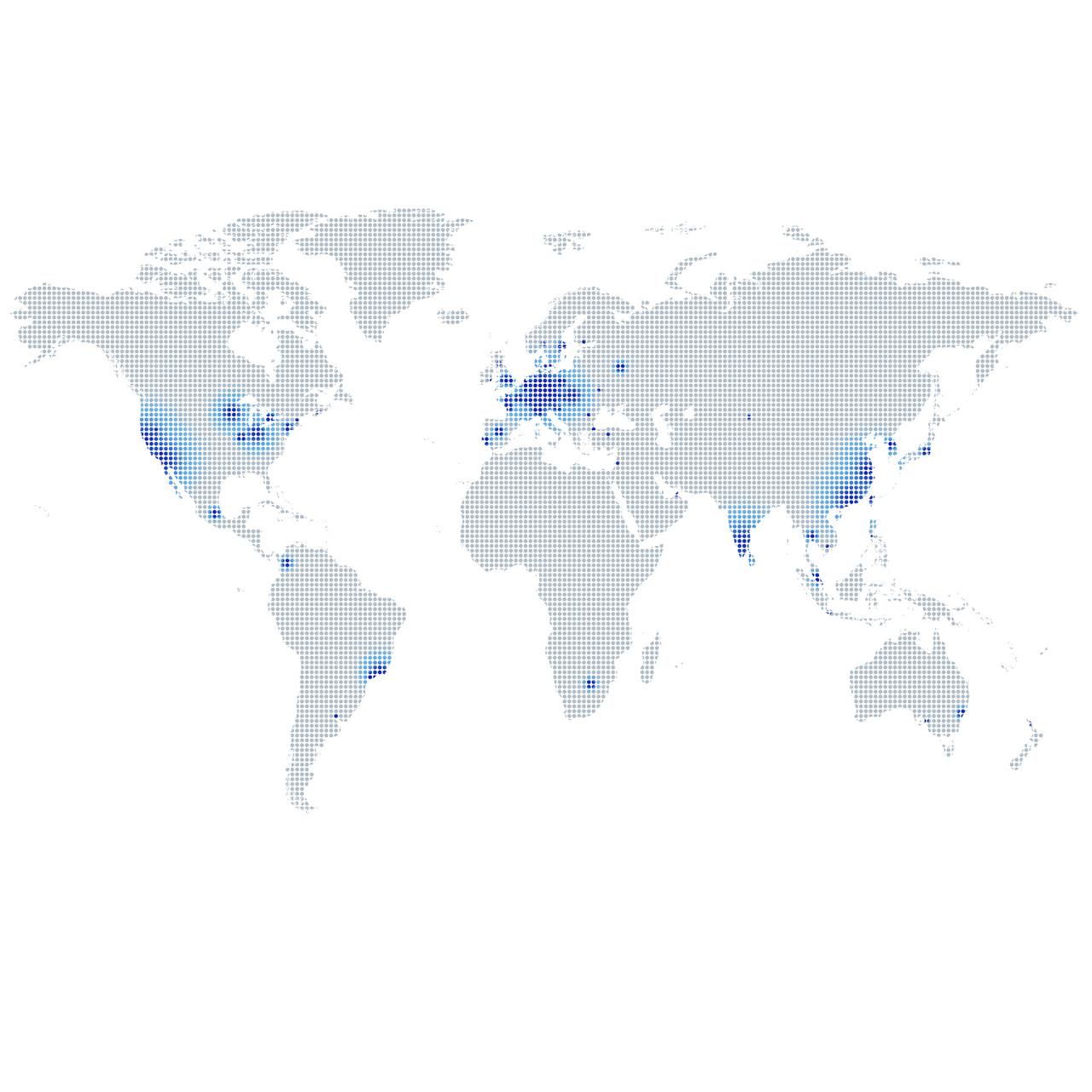
Don’t risk sending your optics to unauthorized technicians who might damage delicate coatings or misalign prisms. Zeiss maintains a strict network of authorized service centers that technicians trust with their most valuable optics. For European customers, the primary hub remains Carl Zeiss Sports Optics GmbH in Wetzlar, Germany (Gloelstr. 3-5, 35578), where factory-trained technicians handle everything from minor focus adjustments to complete overhauls of vintage models. UK residents should contact East Coast Binocular Repairs in Norfolk, the official UK service provider handling warranty claims and repairs for British owners.
North American customers must route all repairs through Gentec International, Zeiss’s exclusive service partner for the US and Canada—sending binoculars directly to Germany will delay your repair. In Asia-Pacific, Carl Zeiss Pte. Ltd. in Singapore serves as the regional hub, though Australian owners often experience 6-8 week turnaround times due to shipping logistics. For vintage or rare models (like pre-2000 Contaxes), contact Optikservice Torsten Schilling in Germany, specialists in legacy Zeiss products where standard service centers may lack parts expertise.
How to Verify an Authorized Zeiss Service Center
Never trust a “Zeiss-certified” repair shop without verification. Check Zeiss’s official website for current authorized partners, as third-party listings often contain outdated information. Contact Zeiss customer service directly (consumerproducts@zeiss.com) with the repair facility’s name to confirm authorization status. Unauthorized centers might use non-OEM parts that void future warranty coverage or improperly adjust optical alignment—issues that can cost hundreds to correct later.
Critical Shipping Mistakes Zeiss Owners Make
Packaging errors cause 30% of repair delays according to service center reports. Always use the double-boxing method: place binoculars in their original case (or padded alternative), surround with 2 inches of bubble wrap, then place in a larger shipping box with additional cushioning. Never ship without a return authorization number—Zeiss centers won’t process unregistered packages. Include a printed note with your contact information, serial number, and specific symptoms (e.g., “left eyepiece blurry beyond 50 yards”). For international shipments, mark the package “Warranty Repair—No Commercial Value” to avoid customs fees that could double your repair cost.
Zeiss Binocular Repair Costs: What You’ll Pay for Focus, Collimation, and Fogging Fixes
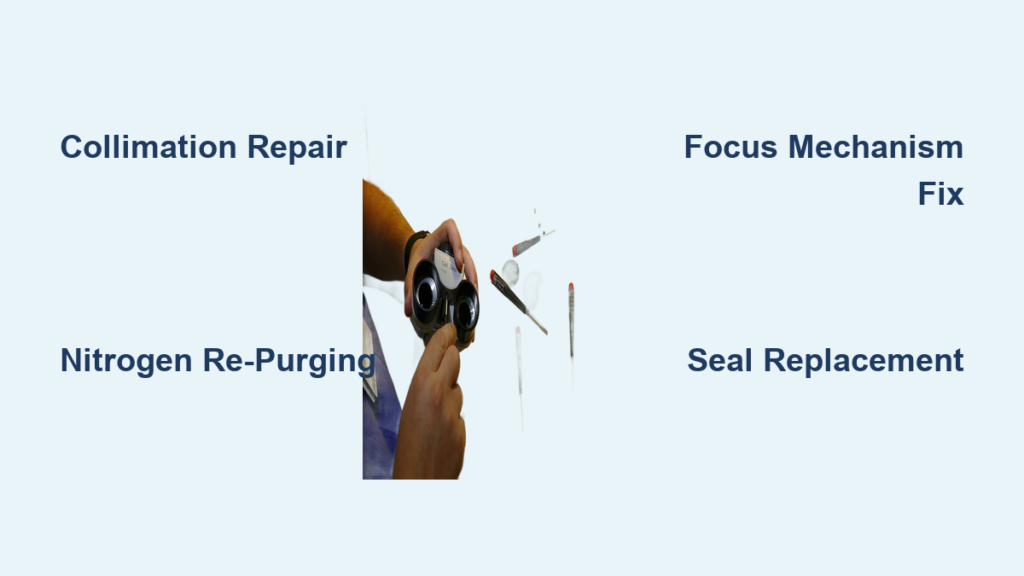
Forget generic “contact us for pricing” responses—here’s exactly what Zeiss charges for common repairs based on 2023 service reports from verified owners. Collimation (optical alignment) remains the most critical and expensive repair, costing €100-€200 for out-of-warranty Victory or Conquest models. This precision procedure requires interferometer equipment costing over $50,000—never attempt DIY collimation as improper adjustment permanently degrades image quality. For focus mechanism repairs (stiff or loose focusing), Zeiss charges a flat €130 rate that covers gear replacement and recalibration—a bargain considering the complexity.
Nitrogen re-purging for internal fogging or haze runs €60-€120 depending on model size. This isn’t a simple “clean the lenses” job—it requires complete disassembly, ultrasonic cleaning, and resealing in a nitrogen-purged environment to prevent future moisture ingress. Rubber armor repairs cost €30-€50 per section for adhesive reattachment, though Zeiss often covers this free for Victory FL models under 10 years old due to known adhesive formulation issues. Minor parts like eyecups or strap lugs cost around €20, while prism replacements can exceed €300 for current-production models.
Warranty Realities for Secondhand Zeiss Binocular Owners
While Zeiss’s 10-year transferable warranty applies in North America, European models operate under different rules. The manufacturer’s warranty isn’t automatically transferred to secondhand owners, but Zeiss frequently provides goodwill repairs regardless. One verified user reported free prism replacement on 30-year-old BGAT binoculars despite no proof of purchase. For Victory SF or Conquest models under 5 years old, bring any purchase receipt (even from online marketplaces) to qualify for partial coverage. Document your ownership history—screenshots of eBay transactions or forum purchase discussions have convinced Zeiss technicians to honor limited coverage.
When Repair Costs Exceed Replacement Value
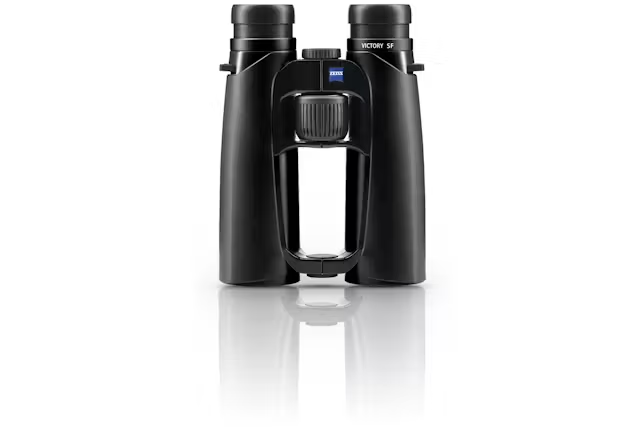
Weigh repair expenses against new binocular prices before approving estimates. For models older than 15 years (like Contarex or Jenoptem series), parts scarcity often makes repairs uneconomical. If your repair quote exceeds 60% of a new model’s cost (e.g., $400+ for Conquest HD repairs when new costs $650), request a “loyalty discount” toward newer optics—Zeiss frequently offers 15-25% off replacements for vintage model owners. For rare vintage pieces with collector value, seek specialized restoration services rather than standard Zeiss repairs.
How Zeiss Actually Fixes Common Binocular Problems (Step-by-Step)
Why Your Zeiss Binoculars Fog Internally—and How Zeiss Fixes It
Internal haze or condensation means your binoculars’ seals have failed, allowing moisture inside the nitrogen-filled housing. Zeiss technicians follow a strict 7-step process: disassemble housings, ultrasonic-clean all optics, replace O-rings and desiccant capsules, purge with dry nitrogen, test pressure integrity, realign prisms, and perform final optical validation. The entire process takes 3-5 business days once parts arrive. Don’t ignore early fogging signs—moisture causes permanent prism coating damage within 6 months, turning €100 repairs into €300+ overhauls.
Stiff Focus Wheel Repair: The €130 Fix That Restores Smooth Operation
When your focus wheel becomes difficult to turn or spins loosely, Zeiss technicians perform a precision service that most third-party shops can’t replicate. They disassemble the focus mechanism, clean old lubricant from helicoids using solvent baths, inspect for gear wear, apply aerospace-grade grease to critical contact points, then calibrate tension using torque meters. The magic happens in the lubricant selection—Zeiss uses temperature-stable compounds that maintain viscosity from -20°C to 50°C. After repair, your binoculars should require 15-25 inch-ounces of torque to focus—any more feels stiff, any less feels loose.
Real Zeiss Repair Stories: What Owners Say About Service for Vintage and Modern Models
Recent user reports confirm Zeiss’s legendary “lifetime service” commitment in action. A UK birdwatcher received free internal cleaning and collimation for 2005 Victory FL binoculars despite buying them secondhand with no paperwork. At the 2023 Bird Fair in Rutland, Zeiss technicians performed on-site repairs for over 50 customers, fixing sticky diopters and loose hinges within 20 minutes—no charge. For vintage models, results vary: one collector paid €400 to restore 1970s Jenoptem binoculars, while another received complimentary service for 1980s Contarex units due to technician interest in the rare model.
The key takeaway: Zeiss prioritizes repair feasibility over strict warranty adherence. When sending vintage optics, include a note explaining the model’s significance—technicians often champion repairs for historically important pieces. For modern models, register your product immediately after purchase through Zeiss’s website to establish digital proof of ownership, which matters more than physical receipts for warranty claims.
How to Avoid Costly Delays in Your Zeiss Binocular Repair Process
Most repair delays stem from preventable owner errors rather than service center inefficiency. Always include your binoculars’ serial number (located near the eyepiece) in communications—missing serials add 3-5 business days while Zeiss verifies model specifics. For complex issues like prism misalignment, record a 15-second video showing the problem before shipping—it helps technicians diagnose issues faster. Never clean optics with alcohol-based solutions before repair, as residue complicates technician cleaning processes and may void warranty coverage for coating damage.
Shipping through premium carriers like DHL or FedEx with signature confirmation prevents the most common headache: “We didn’t receive your package” disputes. For North American owners, Gentec International requires all repairs to be initiated through authorized dealers—don’t mail directly to their facility without a dealer-generated repair order. When you receive your repaired binoculars, immediately test collimation using the wall-clock method (view a distant clock through both eyepieces—if numbers align, collimation is correct) before accepting the repair as complete.
Final Note: Zeiss binocular repair requires strategic planning but delivers exceptional value when handled correctly. By understanding exact costs for common repairs (€60-€400 depending on issue), verifying authorized service centers before shipping, and leveraging Zeiss’s goodwill toward vintage models, you can restore your optics to factory condition. Remember that proper packaging prevents 90% of shipping-related damage, while documenting ownership history increases chances of warranty coverage for secondhand purchases. For immediate assistance, contact East Coast Binocular Repairs in the UK or Gentec International in North America—they process over 80% of global Zeiss sports optics repairs with turnaround times under 10 business days for standard issues. Your Zeiss binoculars represent a long-term investment; with this knowledge, you can ensure they deliver decades of optical excellence through proper maintenance and strategic repair decisions.