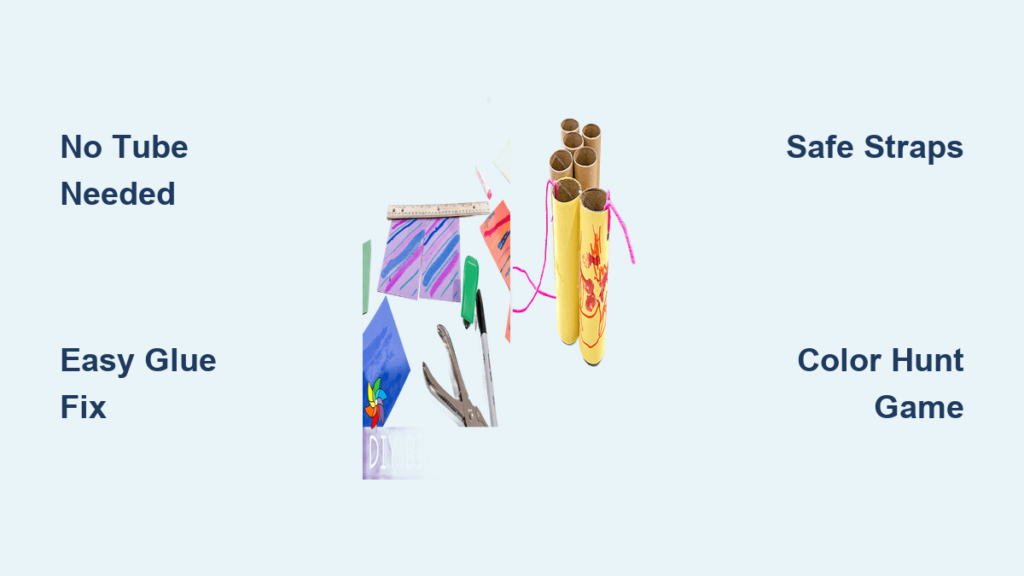
Your preschooler won’t stop asking “What’s that?” during backyard adventures—but what if you could turn that curiosity into hands-on learning with a 10-minute craft? Binocular crafts for preschoolers transform simple household items into powerful tools for exploration, blending art with science, literacy, and imaginative play. Unlike store-bought toys, these homemade “explorer glasses” let children build fine motor skills while creating personalized tools for color hunts, letter spotting, and jungle safaris. By the end of this guide, you’ll know exactly how to make frustration-free binoculars with no special supplies, adapt them for tiny hands, and turn them into educational games that make learning feel like play.
Forget expensive kits—preschool binocular crafts work because they prioritize process over perfection. As children glue, decorate, and problem-solve, they’re secretly developing cognitive skills and vocabulary. And the best part? These creations become springboards for weeks of themed play, whether your child is hunting for “B” words or pretending to track rainforest animals. Let’s dive into the supplies, steps, and learning activities that make this craft a preschool classroom staple.
Preschool-Approved Binocular Craft Supplies: No Tube Panic Needed!
Skip the frantic toilet paper roll hunt—preschool binocular crafts thrive on accessible materials. For the classic tube version, grab two cardboard tubes (paper towel rolls cut in half work perfectly), but don’t stress if you’re out of tubes. The no-roll method from large-group preschool programs uses just a single sheet of cardstock folded into binoculars—ideal for classrooms with 600+ kids or homes without spare rolls.
Must-Have Non-Toxic Decorations for Mess-Free Crafting
- Color tools: Washable markers (not crayons—they smear on tubes) and chunky finger paints in primary colors
- Texture boosters: Pre-cut felt squares, glitter glue sticks (not loose glitter!), and nature items like pressed leaves
- Strap solutions: 18-inch yarn pieces with pre-tied knots or elastic headbands for strap-free wear
- Lens alternatives: Clear contact paper scraps instead of plastic wrap (avoids tearing hazards)
Pro Tip: Pre-cut all materials into preschooler-friendly sizes. For 3-year-olds, use 2-inch-wide paper strips instead of full tubes—smaller pieces prevent frustration during gluing.
5-Minute Tube Binoculars: Step-by-Step for Tiny Hands
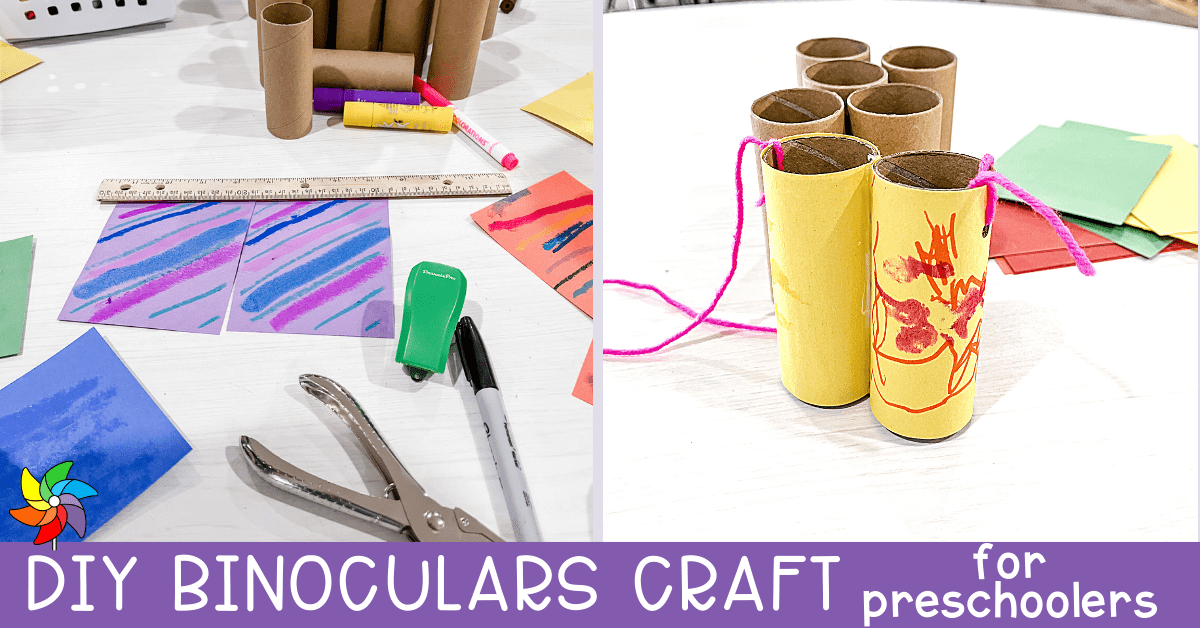
Forget complicated instructions—preschool binoculars require just four foolproof steps designed for wobbly motor skills. The key is adult prep work: pre-punch strap holes and mix glue with water (2:1 ratio) to create “stickier” paste that won’t drip. Total crafting time? Under 5 minutes for ages 3–5.
How to Decorate Without Meltdowns
Start with the “decorate-first” rule: Tubes must be fully decorated before attaching. Why? Gluing smudges wet paint. Give each child two tubes and say: “Paint one tube blue for the sky, one green for the jungle!” This builds color vocabulary while preventing white-tube panic. Use washable paint pens instead of brushes—kids control the flow better, and cleanup takes 30 seconds.
Attaching Tubes Safely (No Staplers!)
- Lay tubes side-by-side on a paper plate (prevents sticking to tables)
- Apply glue along the touching seam using a popsicle stick
- Press firmly for 10 seconds while singing “The Itsy Bitsy Spider”
- Rest flat for 2 minutes with a book on top for perfect alignment
Critical Safety Note: Never use staples—they create pinch points for small fingers. If straps must attach, thread yarn through pre-punched holes and secure knots with a dot of hot glue (applied by adults only).
Transform Binoculars into Safari Gear: 3 Theme Ideas That Spark Play
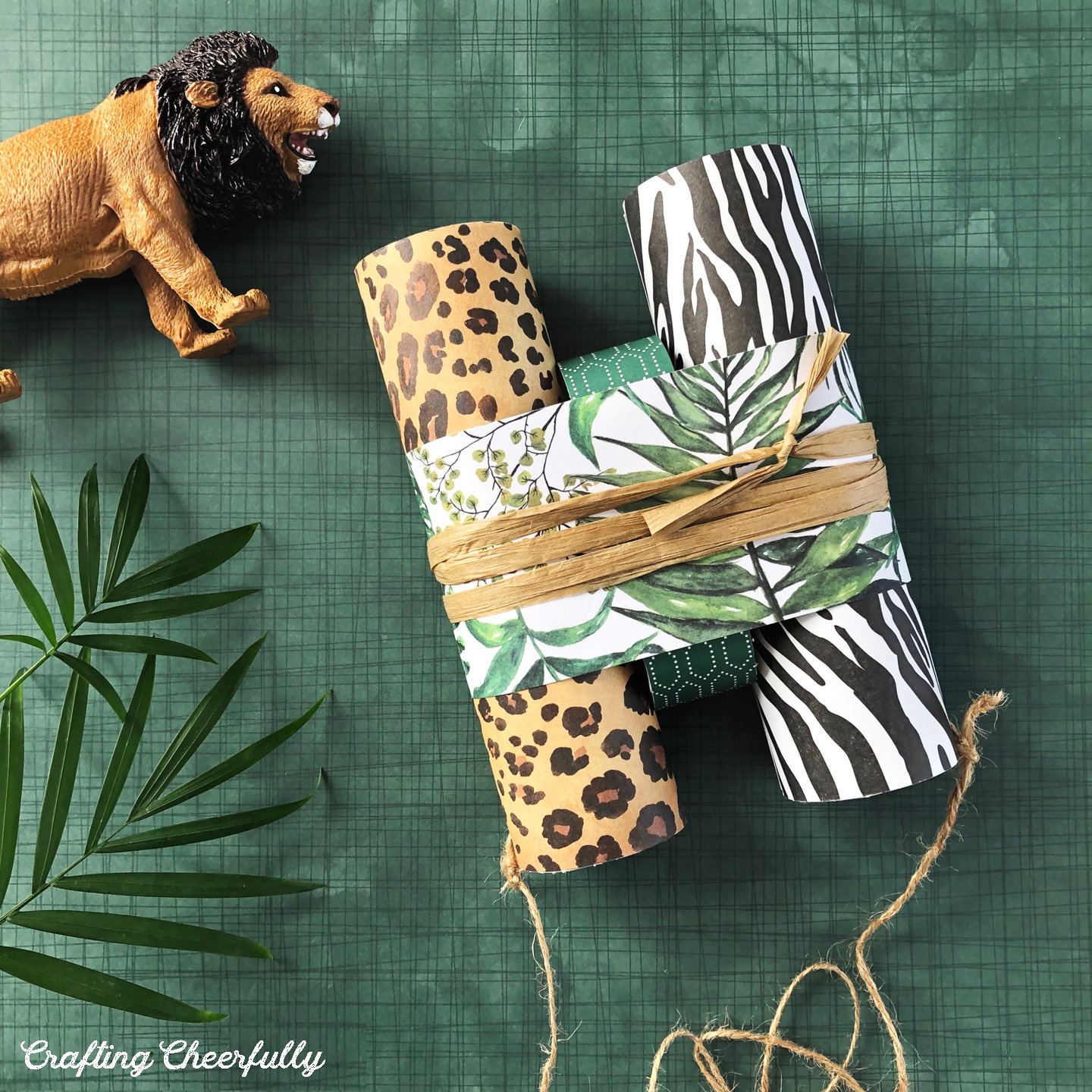
Themed binoculars turn generic crafts into immersive learning adventures. The secret? Limit decorations to 3 elements (e.g., color + sticker + texture) to avoid overwhelming preschoolers. These classroom-tested themes consistently ignite dramatic play:
Jungle Explorer Binoculars (Zoology Focus)
Cover tubes in brown paper bags (pre-cut by adults), add animal-print stickers, and glue faux fur strips near the lenses. Pair with a “jungle sound safari”: children wear binoculars while listening for animal noises (play recordings of monkeys or birds). As they “spot” creatures, prompt: “What does the lion see? Is he hungry?” This builds narrative skills without worksheets.
Space Scientist Binoculars (STEM Focus)
Paint tubes black with star-shaped sponges, then stick glow-in-the-dark stars. During “planet hunts,” children search for colored balls (red for Mars, blue for Earth) around the room. For vocabulary building, ask: “Is Saturn close or far?” while they peer through binoculars—reinforcing spatial concepts kinesthetically.
Underwater Explorer Binoculars (Sensory Focus)
Wrap tubes in blue cellophane and attach sea-creature stickers. Fill a sensory bin with blue water beads (non-toxic!) and hidden plastic fish. Children use binoculars to “dive” and count fish—practicing 1:1 correspondence. Add squishy seaweed (green pipe cleaners) for texture exploration.
Color Hunt to Letter Detective: 5 Binocular Games That Teach Without Worksheets
Preschool binoculars shine as teaching tools when paired with movement-based games. Ditch passive worksheets—these activities use binoculars to develop skills through play, as observed in early childhood classrooms:
- Rainbow Scavenger Hunt: Call out colors (“Find something YELLOW!”). Children scan the room through binoculars, then place found objects (blocks, crayons) in color-coded bins—building sorting and color recognition.
- Letter Spy Mission: For “B” week, say: “I spy something that starts with /b/!” Kids hunt for books, balls, or blocks, strengthening phonemic awareness through action.
- Shape Safari: Hide shape cutouts around the room. Through binoculars, children identify circles (wheels), triangles (sandwiches), and squares (windows)—making geometry tangible.
- Nature Sound Walk: Take binoculars outside. Whisper: “What do you hear?” Children describe bird chirps or wind, developing auditory processing and descriptive language.
- Emotion Explorer: Show emotion cards (happy, sad). Kids “spot” matching faces in classroom photos, building emotional vocabulary through observation.
Time-Saver: Rotate games weekly during circle time—each takes 8 minutes and requires zero prep beyond the binoculars.
Why Binocular Crafts Boost Fine Motor Skills and Vocabulary

Preschool binoculars aren’t just cute—they’re developmental powerhouses. When children manipulate materials, they’re wiring neural pathways critical for kindergarten readiness. Here’s how:
Fine Motor Development: Gluing tube seams requires pincer grasp control (thumb + forefinger), directly preparing hands for pencil grip. Decorations like sticker-peeling strengthen finger isolation—essential for buttoning clothes or using utensils. In classrooms, teachers note 20% faster scissor skill progression in children who regularly do construction crafts like binoculars.
Language Explosion: As kids “explore” with binoculars, they absorb spatial terms (above/below), descriptive words (sparkly, wobbly), and action verbs (spot, track). During themed play, a child might say: “I see a big lion hiding!”—practicing three grammar concepts in one sentence. Teachers use binoculars to prompt: “Tell me about what you’re observing” instead of “What do you see?” to build scientific vocabulary.
Avoid Strangulation Risks: Preschool Binocular Craft Safety Checklist
Safety isn’t an afterthought—it’s built into every step. Based on preschool director guidelines, these non-negotiable rules prevent common hazards:
Strap Safety Protocol (Critical for Ages 2–4)
- Max length: 10 inches (measured from tube to knot)—shorter than a child’s neck circumference
- Breakaway design: Use elastic cord instead of yarn; it snaps under 5 lbs of pressure
- No loops: Always tie straps in a figure-8, not a circle (prevents head entrapment)
Material Red Flags to Skip
- ❌ Plastic wrap lenses (choking hazard if torn) → Use contact paper
- ❌ Loose glitter → Use glitter glue pens only
- ❌ Small stickers (under 1 inch) → Opt for jumbo 2-inch stickers
Pro Tip: For children under 3, skip straps entirely. Attach binoculars to headbands using hot-glued velcro dots—worn like goggles with zero strangulation risk.
Preschool binocular crafts prove that the simplest materials spark the richest learning. By focusing on process over perfection—letting paint drip, tubes tilt, and straps tangle—you create space for genuine skill-building through play. Remember: When a child declares, “These are my JUNGLE glasses!” while hunting classroom “animals,” they’re not just playing. They’re developing observation skills, spatial reasoning, and the joyful curiosity that fuels lifelong learning. Grab those cardboard tubes (or skip them entirely!) and let the exploration begin—your preschooler’s next great adventure is one craft away.