Is your vision making reading difficult or causing frequent headaches? Healthy binocular vision—where both eyes work together seamlessly—is essential for clear depth perception and comfortable daily activities. When your eyes fail to coordinate properly, you might experience double vision, eye strain, or trouble judging distances, yet many people don’t realize these symptoms stem from binocular vision dysfunction. This guide reveals specific techniques to assess your binocular vision at home using everyday items, explains what abnormal results mean, and helps you determine when professional evaluation becomes critical for maintaining visual comfort.
Why Your Binocular Vision Might Be Failing You
Binocular vision problems often develop gradually, making them difficult to recognize until symptoms interfere with daily life. Unlike simple refractive errors corrected with glasses, binocular vision issues involve how your eyes coordinate and your brain processes visual information from both eyes simultaneously. When this delicate system breaks down, your brain may suppress one eye’s image to avoid double vision, leading to fatigue and reduced depth perception. Common triggers include prolonged screen use, untreated vision prescriptions, or underlying neurological conditions affecting eye muscle coordination. Understanding these mechanisms helps you recognize why seemingly unrelated symptoms like headaches during reading actually point to binocular vision dysfunction.
6 Critical Warning Signs Your Binocular Vision Needs Checking
Double Vision During Routine Activities
Seeing two images of a single object—especially when fatigued—is a red flag your eyes aren’t properly aligning. This diplopia might occur only when looking at distant objects, near work, or both, indicating different types of eye muscle imbalances. Temporary double vision after eye strain differs from persistent cases requiring professional assessment.
Persistent Headaches After Visual Tasks
If you regularly experience forehead or temple pain after 20-30 minutes of reading, computer work, or driving, your eye muscles may be overcompensating for binocular coordination problems. These headaches typically worsen throughout the day as visual demands increase, unlike migraines with aura or other headache types.
Difficulty Tracking Moving Objects
Struggling to follow a tennis ball during a match or losing your place while scrolling on your phone suggests your eyes aren’t smoothly coordinating. People with healthy binocular vision effortlessly track moving targets without consciously thinking about it—a skill that deteriorates when binocular function is compromised.
3 At-Home Binocular Vision Tests You Can Do Today
The Cover Test: Detecting Eye Misalignment in 60 Seconds
What you’ll need: A small target (like a letter on a wall), good lighting, and someone to help
- Sit comfortably 10 feet from your target and focus steadily on it
- Have your helper gently cover your right eye with their hand for 2 seconds
- As they quickly remove their hand, watch for any movement in your right eye as it regains fixation
- Repeat with the left eye covered while observing the uncovered eye
What abnormal results mean: If your uncovered eye visibly shifts to reacquire the target, you likely have a tropia (constant misalignment). If no movement occurs during the cover test but you experience symptoms, you might have a phoria (intermittent misalignment) requiring professional testing.
Common mistake to avoid: Don’t let your helper stare directly at your eyes during the test—this makes you self-conscious and affects natural eye movement. They should focus on the bridge of your nose instead.
The Hole-in-Hand Test: Checking for Visual Suppression
Why this works: This clever test reveals if your brain is ignoring one eye’s input to prevent double vision—a common adaptation to binocular vision problems.
- Make a tube shape with your right hand (like a telescope) and look through it at a distant object
- With your left hand, place your palm vertically beside the tube, aligned with your left eye
- Keep both eyes open and focus on the distant object through the tube
What to expect with healthy vision: You’ll see a distinct “hole” in your left palm where the distant object appears, proving both eyes are sending visual information to your brain. If you see only your palm or only the distant object, one eye’s image is being suppressed.
Pro tip: Try this test multiple times throughout the day. Temporary suppression can occur when fatigued, but consistent failure indicates a problem needing professional evaluation.
The Red Filter Test: Pinpointing Double Vision Causes
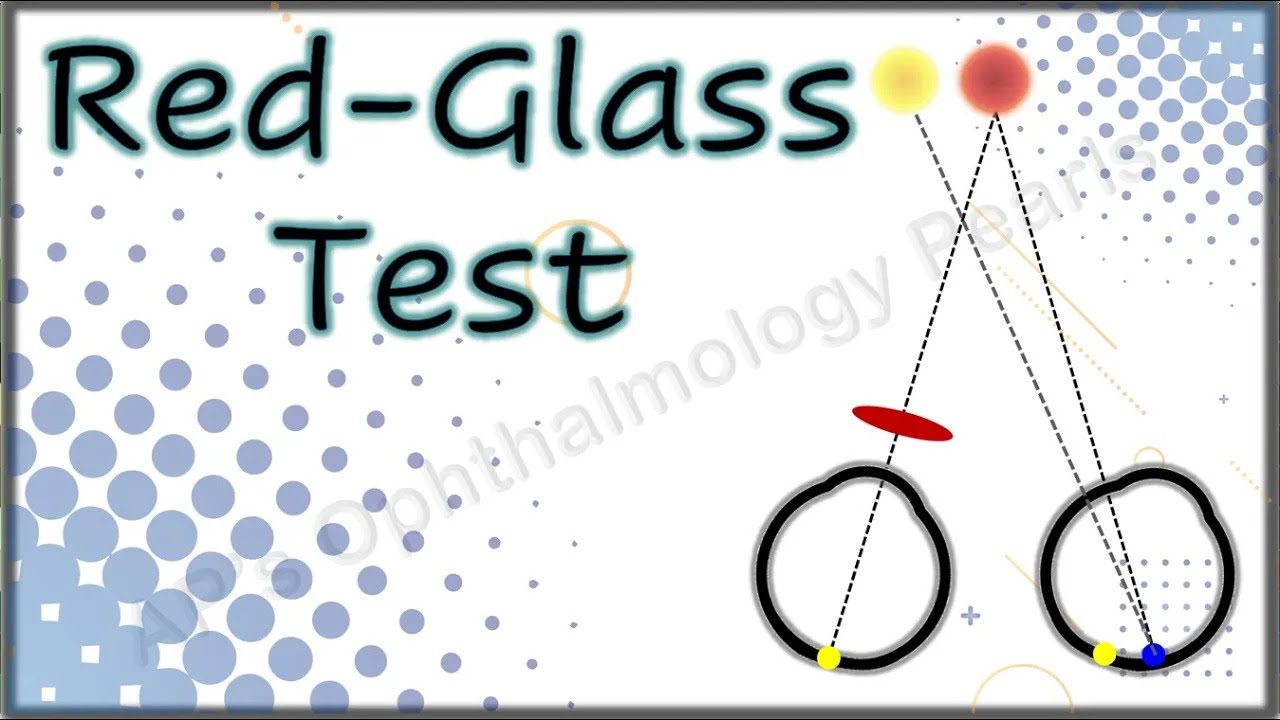
Materials needed: A red plastic filter (from gift wrap or a report cover), bright penlight, dim room
- Darken the room and turn on your penlight
- Hold the red filter over your right eye while keeping both eyes open
- Focus steadily on the light source for 5 seconds
- Note how many lights you see and their colors
Interpreting results:
– Normal: One pinkish-white light (both eyes working together)
– Horizontal diplopia: Red and white lights side by side (eyes misaligned horizontally)
– Vertical diplopia: Red light above or below white light (vertical misalignment)
– Circular diplopia: Red and white lights forming a circle (more complex misalignment)
When to be concerned: Consistent separation of lights by more than the width of one light indicates significant misalignment requiring professional assessment within two weeks.
Professional Binocular Vision Tests Explained
Cover-Uncover vs. Alternate Cover Testing Differences
Eye doctors use two distinct cover tests to diagnose different binocular vision problems. The cover-uncover test (similar to your at-home version) detects tropias—constant misalignments where one eye drifts when the other is covered. The alternate cover test, where the doctor rapidly switches coverage between eyes, reveals phorias—latent misalignments that only appear when fusion is broken. If your eyes move during alternate cover testing but not during cover-uncover testing, you have a phoria that may cause symptoms during prolonged visual tasks.
Worth Four-Dot Test: The Gold Standard for Suppression Detection

This professional test uses specialized equipment to precisely measure how your brain processes input from both eyes:
- You wear glasses with a red filter over one eye and green over the other
- Looking at four illuminated dots (one red, two green, one white), you report what you see
- Normal vision shows four dots (red, two green, white appearing yellow)
- Suppression of one eye shows only two or three dots
- Diplopia shows five or more dots with color separation
Why this matters: The pattern of dots you see helps your eye doctor determine exactly which eye is being suppressed and to what degree, guiding treatment decisions for vision therapy or prism lenses.
When Home Tests Indicate Professional Help Is Needed
4 Clear Indicators for Immediate Eye Specialist Consultation
- Persistent double vision that doesn’t resolve with rest or blinking
- Head tilt or abnormal posture developed to see clearly (indicates significant misalignment)
- Failed Hole-in-Hand Test on three consecutive attempts in good lighting
- Reading difficulty requiring finger tracking or frequent re-reading of lines
Timeframe matters: Schedule an appointment within one week if you experience double vision that began suddenly, as this could indicate neurological issues. For chronic symptoms like reading difficulties or eye strain, see a specialist within three weeks to prevent adaptation issues.
Vision Therapy Options for Binocular Vision Disorders
Convergence Insufficiency Treatment Protocol
If diagnosed with convergence insufficiency (difficulty turning eyes inward for near work), your eye doctor may recommend:
- Pencil push-ups: Daily exercises moving a pencil toward your nose while maintaining single vision
- Computer-based therapy: Specialized software training eye coordination with visual feedback
- ** Prism adaptation**: Temporary prism glasses to reduce strain while building eye muscle strength
- Office-based vision therapy: Weekly 45-minute sessions with a vision therapist for 12-16 weeks
Realistic expectations: Most patients see significant improvement in 8-12 weeks of consistent therapy, with 75% achieving normal near point of convergence within 16 weeks. Success depends heavily on completing prescribed home exercises.
Preventing Binocular Vision Problems From Worsening
The 20-20-20 Rule for Digital Eye Strain
For every 20 minutes of screen time, look at something 20 feet away for at least 20 seconds. This simple habit prevents eye fatigue that exacerbates binocular vision problems. Set phone reminders until it becomes automatic.
Proper Workspace Ergonomics Checklist
- Position monitor at arm’s length (20-26 inches from eyes)
- Keep top of screen at or slightly below eye level
- Use document holders at same height and distance as screen
- Ensure adequate lighting without screen glare
- Maintain upright posture with feet flat on floor
Critical adjustment: If you tilt your head to read clearly, your prescription may need updating or you might require prism correction—don’t adapt to discomfort.
Final Assessment: Is Your Binocular Vision Functioning Properly?
Your binocular vision health directly impacts daily comfort and performance. If home tests revealed any abnormalities or you experience three or more warning symptoms consistently, professional evaluation is essential. Remember that children with undiagnosed binocular vision problems often struggle academically without understanding why—early detection prevents years of unnecessary difficulty. The most reliable indicator for seeking help is persistent visual discomfort during routine activities that doesn’t resolve with rest. Don’t dismiss symptoms as “just eye strain” when targeted treatments exist. Schedule a comprehensive binocular vision assessment with an optometrist specializing in vision therapy to reclaim comfortable, three-dimensional vision. Your ability to drive safely, read efficiently, and enjoy 3D movies depends on both eyes working together perfectly—and that harmony is worth protecting.